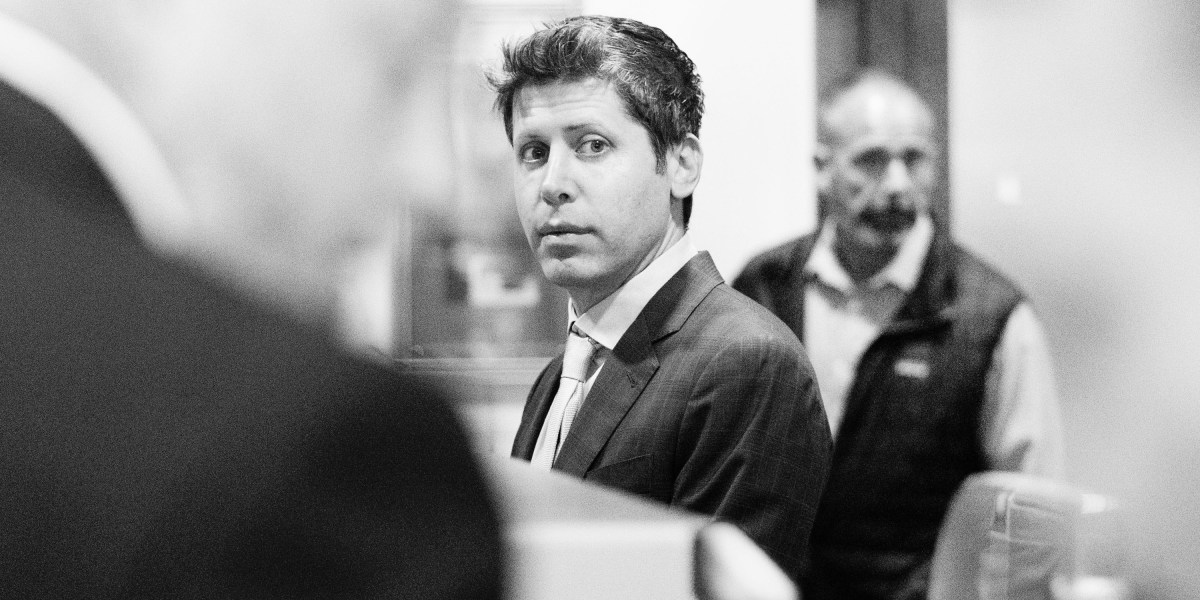
The courtroom air in California hung thick with the scent of legal ink and, for Sam Altman, the distinct whiff of doubt. He sat there, the golden boy of AI, under a relentless cross-examination that felt less like a tech conference keynote and more like a character assassination.
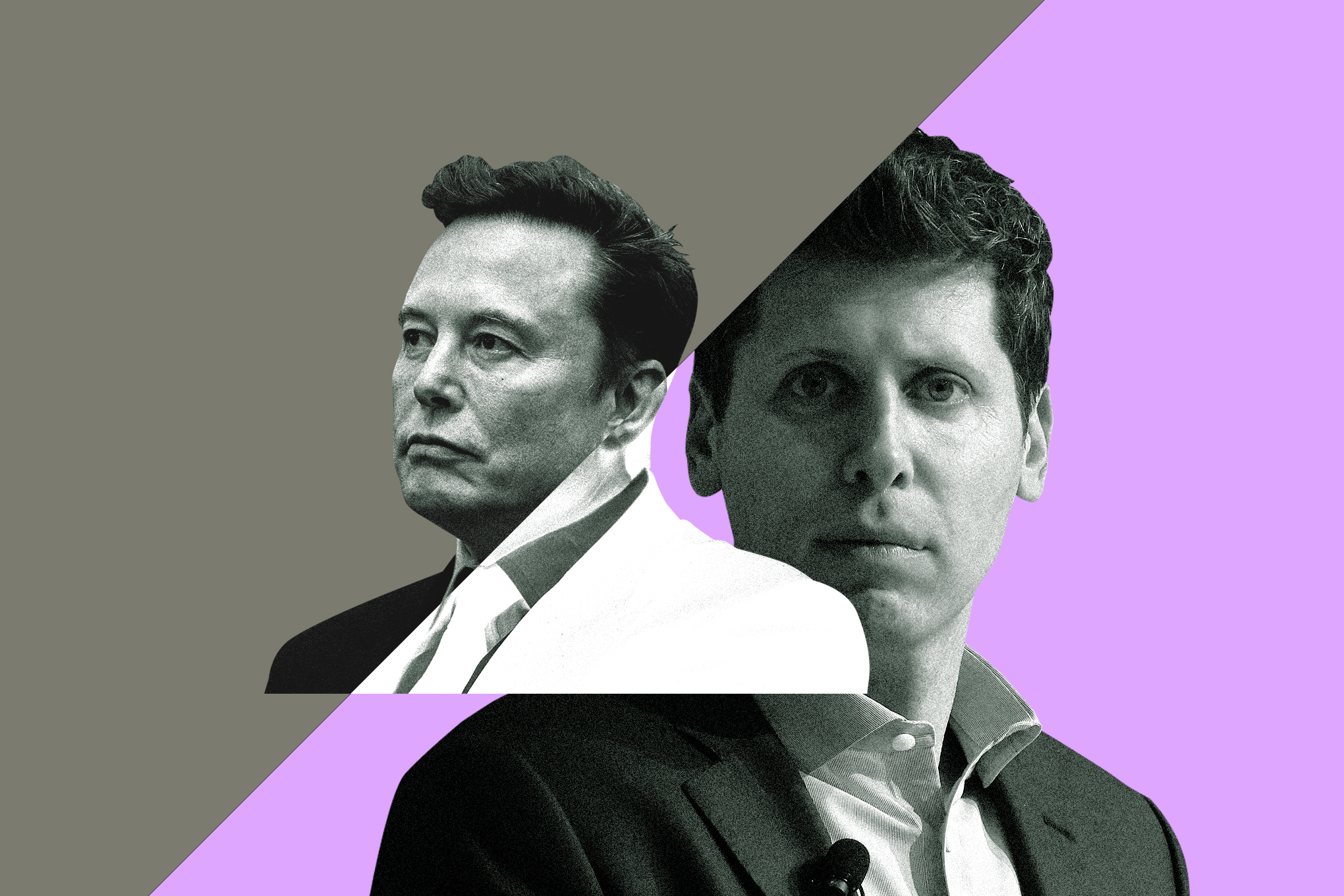
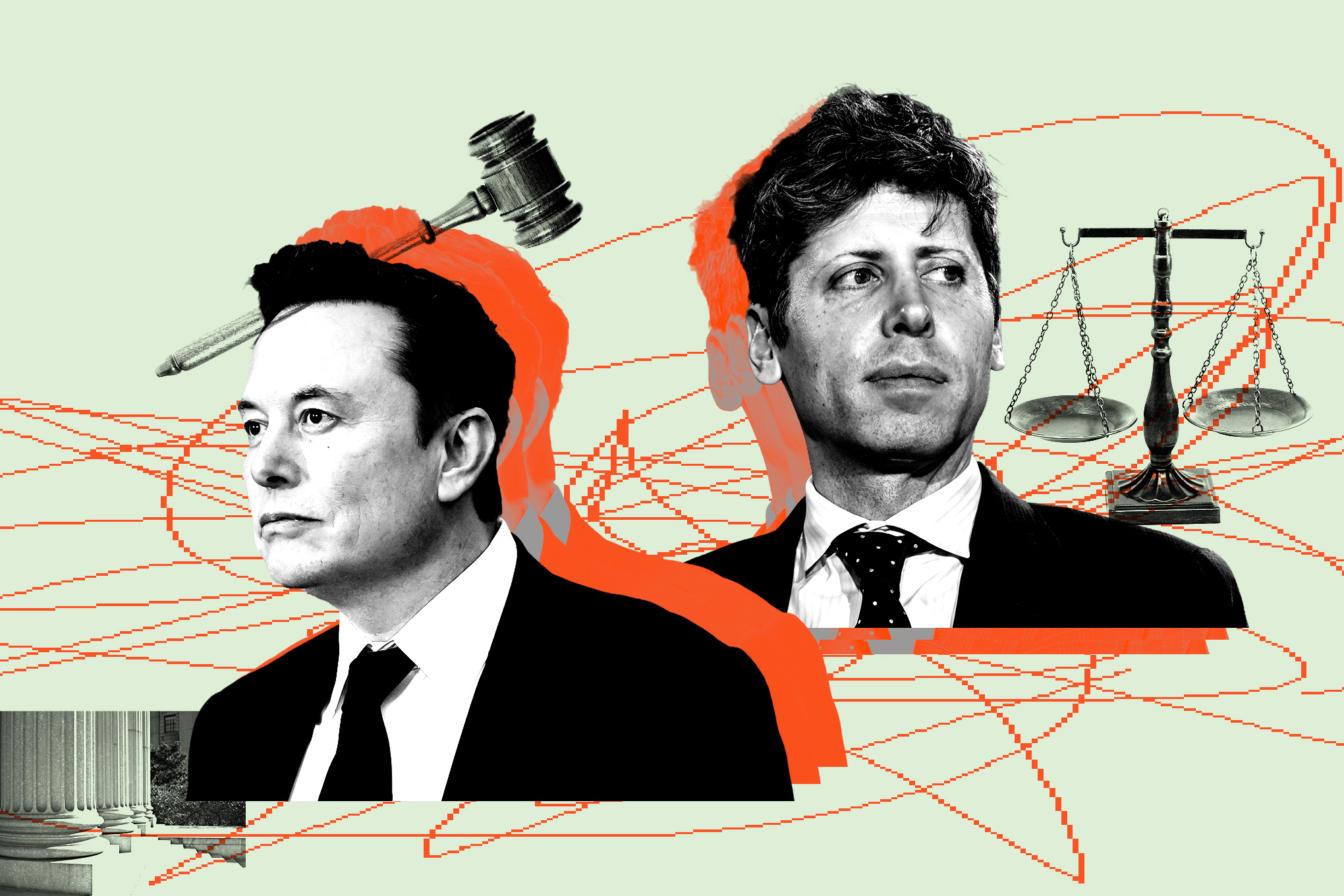
Here’s the thing: we’ve heard this song and dance before, haven’t we? Politicians trying to suss out tech titans, CEOs trying to spin narratives. But this? This is different. This is Elon Musk, a man who seems to have a personal vendetta against anything that smells like a corporate overlord, aiming squarely at the man running the most talked-about AI company on the planet. And the question isn’t just about the tech; it’s about the man at the helm.
Who’s Really Calling the Shots (and Who’s Getting Paid)?
Senator John Kennedy, bless his folksy, probing heart, asked Altman if he made “a lot of money.” Altman, ever the strategist, deflected. No equity, just enough for health insurance. A neat trick, technically true, but let’s be real. Altman’s entire career has been built on recognizing potential, on seeing the long game. To suggest he wasn’t aware of his substantial economic exposure through Y Combinator funds, or other AI ventures that cozied up to OpenAI? That strains credulity more than a chatbot writing Shakespeare.
“You didn’t disclose to the United States Senate that you had an interest in OpenAI through a share in a Y Combinator fund, did you?” barked Steve Molo, the combative attorney leading Elon Musk’s effort to shut down OpenAI’s for-profit business.
This isn’t just about a missed disclosure. It’s about the perception of transparency, especially when you’re testifying before Congress about the very future of artificial intelligence. When a key player is under oath and appears to be… selective with the truth, it casts a long shadow. And it’s not just Molo, Musk’s pit bull, making these accusations. Former board members Helen Toner and Tasha McCauley, even Ilya Sutskever, the guy who helped build the damn thing, have all pointed fingers, citing concerns about candor and a “toxic culture of lying.” A recent New Yorker piece just piled on.
The ‘Blip’ That Could Sink a Ship?
Ah, the infamous “blip.” The brief, chaotic period when the OpenAI board decided Altman needed to go. And then, almost immediately, brought him back. Now, the narrative from OpenAI’s side, bolstered by folks like Microsoft’s Satya Nadella (who famously called it “amateur city”) and the current board chair Bret Taylor, is that it was a misunderstanding, a hiccup. Taylor, you’ll note, says Altman has been “forthright with me.” Dr. Zeko Kolter, the AI safety guy, chimes in that his work hasn’t been hindered. All well and good. But here’s the kicker, the real sticky wicket for the plaintiffs: Taylor also admitted that the reason they rehired Altman so hastily was because his departure would have torpedoed the entire operation. Employees were ready to walk. The company, as a going concern, was on the brink.
This raises a fundamental question that the jury and Judge Yvonne Gonzalez Rogers are grappling with: can the non-profit board, in practice, actually exert control over its for-profit arm, especially when the CEO is that indispensable, that central to its very existence? Musk’s legal team sees that whole firing fiasco as Exhibit A for Altman’s unchecked power. If the board can’t fire him when they feel he’s not being candid, can they ever truly govern him? Altman’s own response to being asked if he’d fire himself? No plans to. And if he can be trusted? “I believe I am an honest and trustworthy business person.” Well, that settles it, doesn’t it?
But that’s the core of it. We’re not just debating AI models and their capabilities. We’re debating the character of the person in charge of shaping them. And in the cutthroat world of Silicon Valley, where fortunes are made and lost on perceived trustworthiness, this trial is a brutal, public reckoning.
🧬 Related Insights
- Read more: AI’s Legal Impact: Beyond the Hype [Analysis]
- Read more: Who Owns AI-Generated Content? Copyright Law and Artificial Intelligence
Frequently Asked Questions
What is Elon Musk suing OpenAI for? Elon Musk is suing OpenAI for allegedly abandoning its original mission of benefiting humanity, accusing the company of prioritizing profit over its non-profit charter and seeking to make it a de facto subsidiary of Microsoft.
Did Sam Altman lie to Congress? The trial is examining allegations that Sam Altman misled Congress and the OpenAI board regarding his financial interests in the company. Altman has stated he believes he is honest and trustworthy.
Can OpenAI’s board actually fire Sam Altman? The trial is testing the extent of control OpenAI’s non-profit board has over its for-profit CEO, Sam Altman. Evidence presented suggests Altman’s indispensability to the company’s survival made his immediate rehiring necessary after a brief termination, raising questions about the board’s ultimate authority.