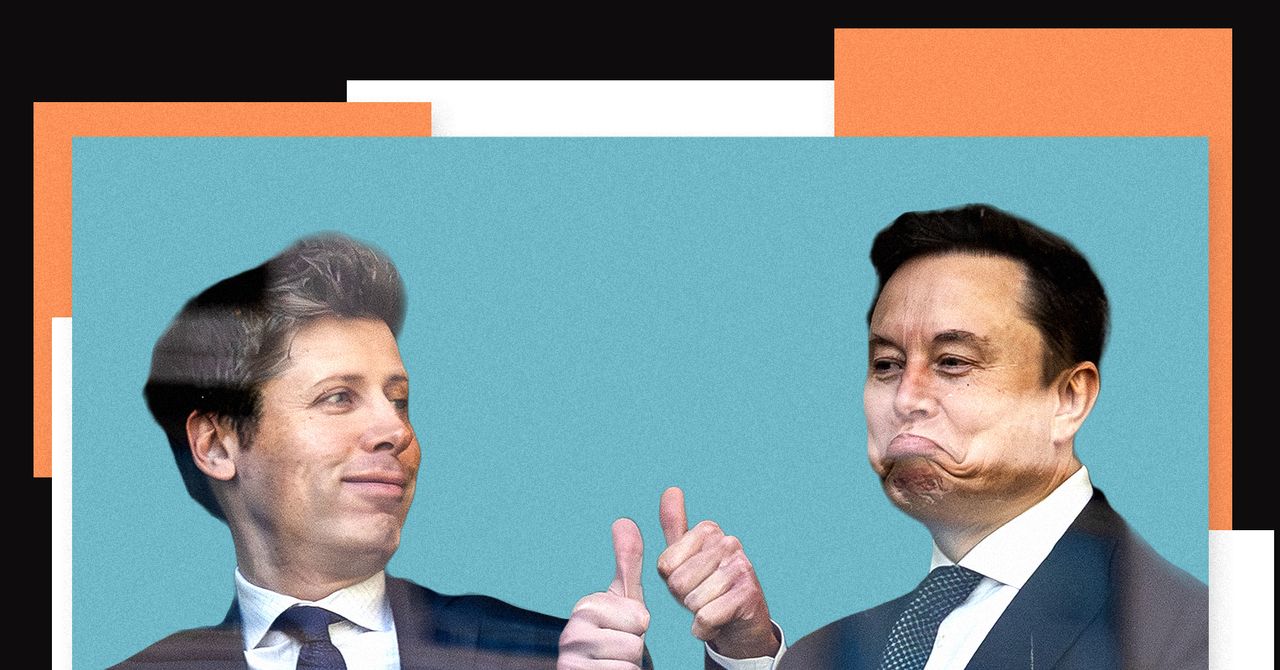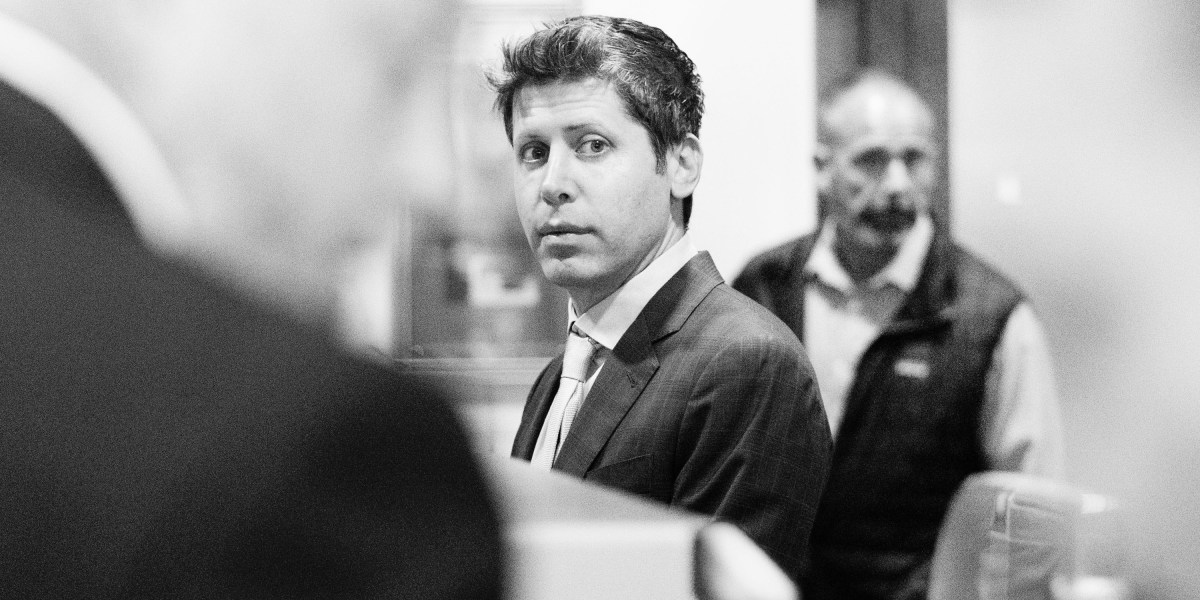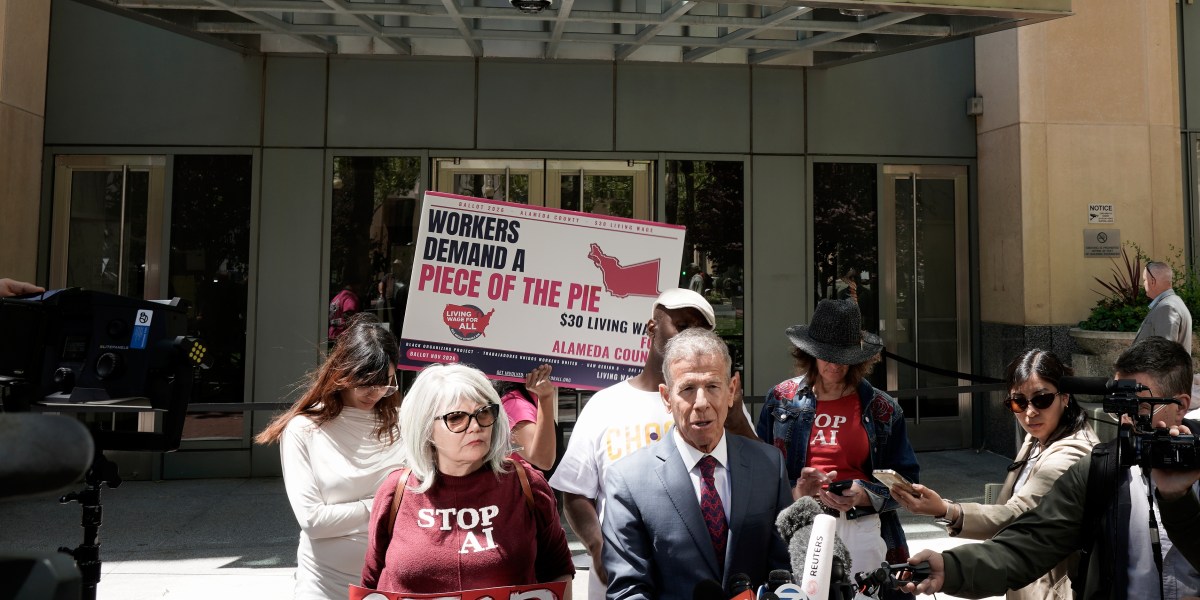
Everyone expected drama. We braced for fireworks, for the explosive accusations Elon Musk hurled at Sam Altman and Greg Brockman — a tale of stolen futures, of non-profit ideals perverted for personal gain. The headlines screamed betrayal, a founding myth shattered. But what emerged from the courtroom, like a whispered truth amidst a shouting match, was something far more profound.
It wasn’t just about who owed what to whom. This trial, intended to dissect alleged breaches of charitable trust and unjust enrichment, accidentally peeled back the curtain on the very DNA of how artificial intelligence is shaping our world. We weren’t just watching a lawsuit; we were witnessing the messy, exhilarating, and sometimes ethically gray birth of a fundamental platform shift.
Was This About Trust, or Control?
The jury’s decision to swiftly dismiss Musk’s claims wasn’t just a legal technicality; it was a resounding declaration that the case, as presented, simply didn’t hold water. OpenAI’s attorneys meticulously demonstrated the legal framework supporting their actions, while Musk’s team — bless their hearts — seemed to rely more on sheer incredulity and the force of their plaintiff’s personality. It left many scratching their heads, wondering how a man so accustomed to commanding global attention could falter so spectacularly in a courtroom.
And Musk? He wasn’t exactly gracious in defeat, lashing out with a deleted post calling the judge “terrible” and doubling down on his accusations. But here’s the thing: the trial didn’t just focus on Altman’s alleged transgressions. It cast a blinding spotlight back onto Musk himself, revealing a pattern of behavior that felt… eerily familiar.
Remember Greg Brockman’s testimony? The one where Musk, in 2017, essentially commandeered a crack team of OpenAI’s top AI researchers to help his struggling Tesla autopilot division? Brockman made it crystal clear: “It was pretty clear that was not something we could say no to.” Picture this: cutting-edge AI minds, pulled away from their mission to build AGI, instead parachuting into Tesla’s headquarters to debug a self-driving car. And here’s the kicker: no reimbursement for OpenAI. It’s like borrowing a priceless diamond to use as a paperweight and then acting surprised when the jeweler gets a bit antsy.
The heart of Musk’s case is that Altman, Brockman, and OpenAI committed a “breach of charitable trust” — that Musk donated funds for a specific charitable purpose, and his co-founders instead used them for something else.
Law professors, like Dorothy Lund, are calling it what it is: “a bit rich for Musk to be suing for breach of a charitable trust, when he appears to have been redirecting assets in a way that was inconsistent with that mission.” It’s a powerful observation, isn’t it? The very act of accusing others of misusing resources while appearing to have done something remarkably similar yourself.
The Unseen Architecture of AI
This entire episode highlights something I’ve been shouting from the rooftops: AI isn’t just a new app; it’s a new operating system for reality. And like the early days of the internet, when companies were scrambling to figure out how to build on this nascent digital frontier, we’re seeing the same chaotic, exhilarating, and sometimes ethically fraught genesis with AI. The disagreements aren’t just about money or control; they’re about fundamentally different visions for what this new architecture will enable.
Musk’s desire for sole control over OpenAI’s for-profit arm, his tactics of “good cop, bad cop,” his refusal to invest in anything he couldn’t micromanage — it all paints a picture of a founder who saw AI as another empire to build, under his absolute dominion. His legal team’s struggle to distinguish his vision of a “small adjunct” for-profit from the reality that unfolded speaks volumes. The irony? His co-founders actually offered him more equity. But that wasn’t enough. He wanted the keys to the kingdom, not just a seat at the table.
This is the wild west of AI development. We’re seeing brilliant minds clash, driven by vastly different motivations – the pure pursuit of knowledge, the drive for power, the ambition to shape the future. The lawsuit, in its own peculiar way, served as a stark reminder that the stakes are astronomically high, and the paths to realizing AI’s potential are anything but linear or agreed-upon.
What Does This Mean for the Future?
The real takeaway isn’t about Elon Musk’s legal defeat. It’s about understanding the powerful undercurrents shaping the AI revolution. We’re on the cusp of innovations that will redefine industries, economies, and perhaps even humanity itself. But the journey will be as messy and contested as the founding of OpenAI, fraught with competing visions and the ever-present tension between collaboration and control.
So, while the courtroom has delivered its verdict, the real judgment is yet to come. The questions of how AI should be governed, who benefits from its proliferation, and what ethical guardrails are necessary will continue to be debated, fought over, and ultimately, built into the very fabric of this new technological era. This trial, far from being an endpoint, feels more like a dramatic prologue.
🧬 Related Insights
- Read more: Virginia Redistricting Fight Hits Supreme Court
- Read more: Deepfake Regulation Worldwide: Laws Governing Synthetic Media
Frequently Asked Questions
What was Elon Musk suing OpenAI for?
Elon Musk sued OpenAI’s founders, Sam Altman and Greg Brockman, alleging a breach of charitable trust and unjust enrichment, claiming they diverted funds and the company’s mission for personal gain.
Why did the judge rule against Elon Musk?
The judge ruled against Musk primarily because his lawsuit was filed too late, exceeding the statute of limitations. The court also found his case lacked sufficient legal merit.
Did Sam Altman and Greg Brockman enrich themselves from OpenAI?
The trial presented evidence that Sam Altman and Greg Brockman, along with others, benefited from OpenAI’s for-profit ventures, which was central to Musk’s claims of unjust enrichment. However, the court ultimately rejected these claims due to the expired statute of limitations and the strength of OpenAI’s defense.