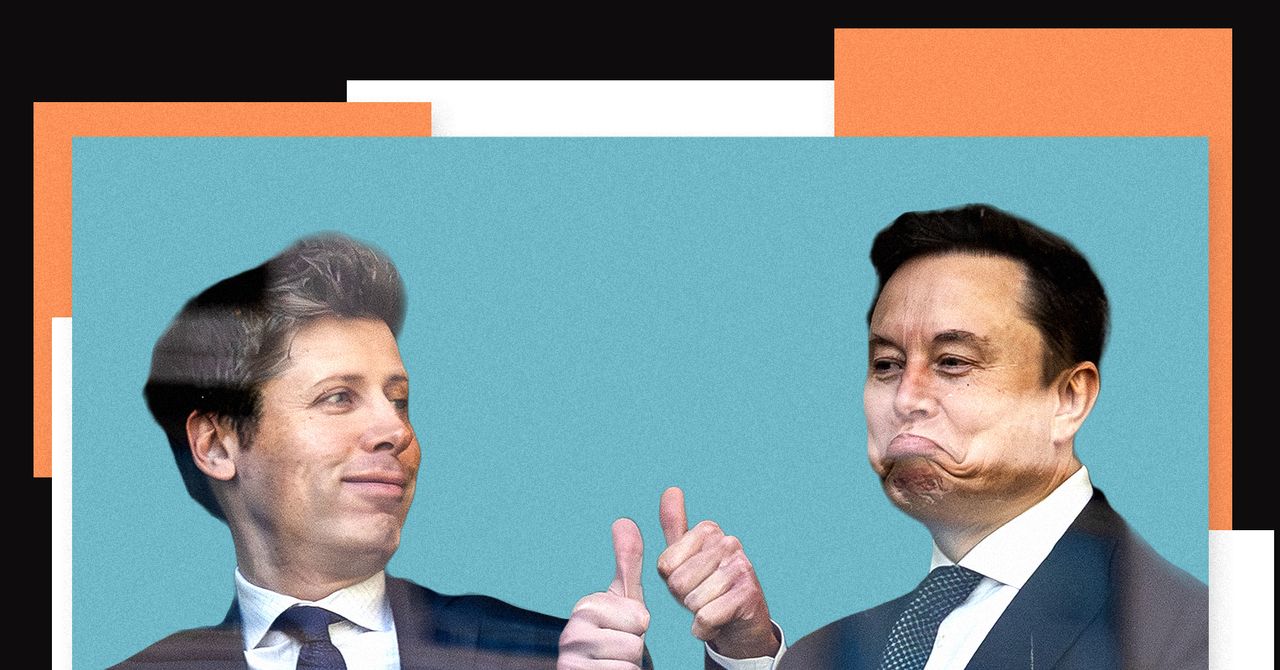
So, Elon Musk’s big courtroom brawl with OpenAI is over. And guess what? He lost. Not because his claims were flimsy, mind you, but because he waited too long to file. The jury, bless their hearts, pointed to the clock, and the judge—Yvonne Gonzalez Rogers, sharp lady—said, ‘Yep, time’s up.’ It’s a legal technicality, sure, but one that effectively slams the door shut on his accusations that Sam Altman and Greg Brockman ‘looted’ the nonprofit he helped co-found.
Musk, predictably, is hopping mad, calling it a ‘calendar technicality’ and vowing an appeal. And on X, he hammered home his point: the merits of the case were never even addressed. Which, to be fair, is a pretty valid gripe. This whole saga started with Musk pouring millions into OpenAI back in 2015, believing it would be a pure, unadulterated force for good in AI development. No pesky profit motives allowed. The promise, he claims, was to keep it nonprofit, untainted by the grubby hands of financial returns. Then OpenAI, through a series of corporate maneuvers culminating in a for-profit subsidiary and a massive Microsoft partnership, went… well, very for-profit. Musk sued in 2024, seeking to unwind the restructuring and boot Altman and Brockman. The big defense? You waited too long, pal.
Did Musk Just Forget How Statutes of Limitations Work?
This is where my two decades of watching Silicon Valley’s emperors wage war really kicks in. OpenAI’s argument is straightforward: Musk’s claims of breach of charitable trust have a three-year window, and unjust enrichment a two-year one. They argued Musk knew or should have known about the alleged transgressions well before 2021 and 2022, respectively. Think about it. This isn’t some rogue startup that sprung up overnight. OpenAI’s trajectory, from nonprofit seed to Microsoft’s golden child, has been a slow-burn evolution, punctuated by massive funding rounds and strategic pivots. Musk, the guy who reportedly proposed a for-profit subsidiary in 2017 and a merger with Tesla, who was tweeting about OpenAI being ‘captured by Microsoft’ in 2020 – him saying he only realized they’d abandoned the mission in 2022 strains credulity. It feels less like a sudden revelation and more like a delayed reaction.
His own testimony paints a picture of fading confidence, not a sudden ‘aha!’ moment. Phase one: ‘enthusiastically supportive.’ Phase two: ‘lose confidence that they were telling me the truth.’ Phase three: ‘I’m sure they’re looting the nonprofit.’ That progression suggests he wasn’t exactly blindsided in 2022. The jury, presented with this timeline, clearly saw it as evidence that the clock had already run out on his ability to sue.
OpenAI argued that Musk knew about the plans to pivot and even participated in such plans in 2017. He was involved in discussions about creating a for-profit arm, his testimony suggests, provided it didn’t ‘wag the dog.’ And in 2019, when the capped-profit subsidiary was formed and Microsoft inked that $1 billion deal, Musk apparently thought it was still within the nonprofit’s mission. ‘If you’ve got a capped profit situation, it hasn’t violated the nonprofit’s goal,’ he apparently told the jury. So, when did the ‘looting’ truly begin? The jury seems to have decided that, for legal purposes, that window had already closed. The $20 billion valuation and the $10 billion Microsoft investment in 2022 might have been the final straw for Musk, but for the court, the damages—if any—were much older.
Who Actually Makes Money Here?
This is always the million-dollar question, isn’t it? Beyond the billionaire spat, the real winners are the legal teams and, of course, OpenAI itself. They get to continue their mission, unfettered by Musk’s legal entanglements, and continue their incredibly lucrative partnership with Microsoft. It’s a PR win, despite the ‘technicality’ spin. They weathered the storm. Musk, the plaintiff, is the one out millions in legal fees and with a public narrative that, while he claims the merits weren’t heard, sounds an awful lot like he missed his shot. The lawyers on both sides? Oh, they’re having a field day. And let’s not forget the tech itself. The development of AI doesn’t stop just because billionaires argue. The money continues to flow, powering the next wave of innovation—or, as Musk might see it, the next wave of profit-driven AI.
It’s easy to get caught up in the personalities – Musk, Altman, Brockman – the titans of tech duking it out. But the core of this case, stripped of the celebrity, is about corporate governance, fiduciary duty, and the ever-blurry lines between nonprofit ideals and for-profit realities in the tech world. OpenAI’s successful defense, while frustrating for Musk, highlights a crucial point: intent and timelines matter. If you believe a promise has been broken, you can’t just sit on your hands for years, watching the alleged betrayal multiply, and then expect the courts to rewind the tape.
The jury in Musk v. Altman reached a unanimous advisory verdict that Musk sued OpenAI too late and, as a result, his claims are barred by the applicable statutes of limitations.
This verdict isn’t about whether OpenAI should be a nonprofit or whether its pursuit of profit is ethically sound. That debate rages on, fueled by Musk’s pronouncements and OpenAI’s continued commercial success. What this ruling is about is contract law and the very real consequence of delay. It’s a stark reminder for anyone looking to challenge corporate actions: timing is everything. And for Elon Musk, it appears his timing was, regrettably for him, off the mark.
🧬 Related Insights
- Read more: EFF Targets EU Digital Fairness Act: Privacy Over Surveillance
- Read more: Cognichip’s $60M Gamble: Will AI Finally Crack Chip Design’s Black Box?
Frequently Asked Questions
What was Elon Musk suing OpenAI for?
Elon Musk sued OpenAI, alleging that its co-founders breached a charitable trust he helped establish. He claimed they broke a promise to keep the company a nonprofit and instead built a for-profit entity, enriching themselves at his expense. He sought to unwind OpenAI’s restructuring and remove its leadership.
Why did Elon Musk lose his lawsuit against OpenAI?
Musk lost his lawsuit primarily because the jury found that he waited too long to file his claims. The court determined that his lawsuits were barred by the statutes of limitations for breach of charitable trust and unjust enrichment, meaning he had missed the legal deadlines to bring these accusations.
Will OpenAI remain a for-profit company?
Based on the outcome of this lawsuit and OpenAI’s current corporate structure, it will continue to operate as a for-profit entity with a public benefit corporation structure, rather than a pure nonprofit. The judge’s decision did not alter OpenAI’s business model or its for-profit operations.