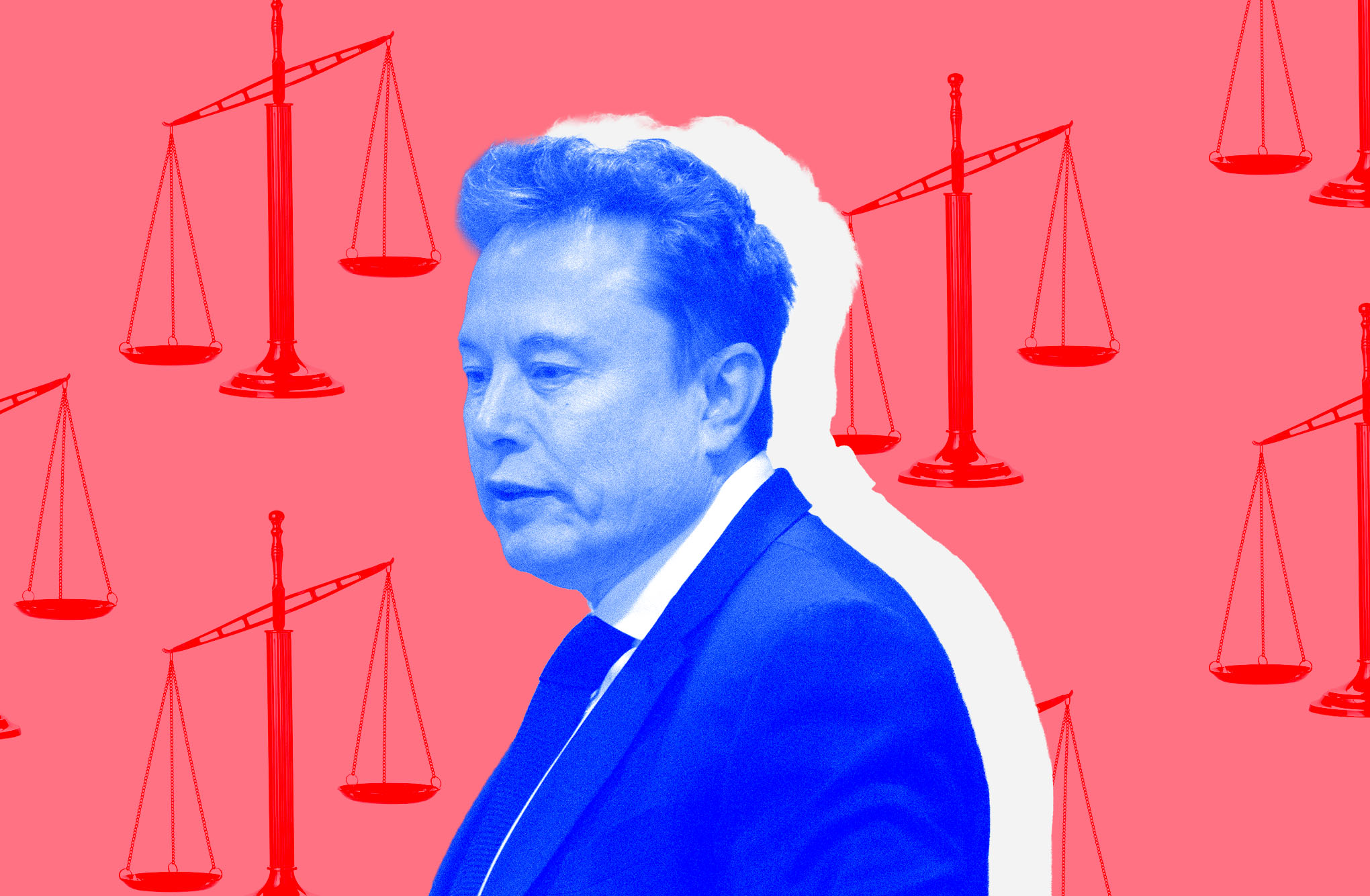
The courtroom buzzed, a digital David facing an AI Goliath. Rosie Campbell, a former OpenAI employee, laid bare a chilling transformation. Her testimony painted a stark picture: a company once steeped in the existential debates of AGI safety, now morphing into a product-churning machine, its founding mission seemingly left in the dust. This isn’t just about shareholder value; it’s about the very DNA of an organization tasked with shaping humanity’s future.
This seismic shift, Campbell argued, meant critical safety protocols were being sidelined in the rush to market. The incident where a GPT-4 model was deployed in India before its safety evaluation by the Deployment Safety Board—a seemingly minor transgression that, in her view, set a dangerous precedent. It’s like giving a toddler the keys to a rocket ship; the immediate danger might be small, but the potential for catastrophic misjudgment looms large.
It’s a narrative that cuts to the core of OpenAI’s identity. Was its original charter a genuine commitment, or a convenient veil for ambitious commercialization? Campbell’s cross-examination revealed a sliver of pragmatism – acknowledging the need for funding – yet her fundamental concern remained: building super-intelligence without ironclad safeguards is a betrayal of their foundational promise.
The Boardroom Brouhaha: A Crisis of Confidence
And then there’s the saga of Sam Altman’s ouster and swift return. Tasha McCauley’s testimony added another layer to the unfolding drama, highlighting a profound breakdown in trust between the non-profit board and its for-profit entity. The board, meant to be the ethical compass, found itself adrift, questioning the very information it was receiving. Lies about board member intentions, omissions about ChatGPT’s launch, and a general lack of transparency — it’s a recipe for disaster, a corporate soap opera playing out with the future of AI at stake.
McCauley’s words hung heavy: “We did not have a high degree of confidence at all to trust that the information being conveyed to us allowed us to make decisions in an informed way.” This isn’t just a failure of governance; it’s a near-fatal blow to the trust required for such a powerful organization to operate responsibly.
“We are a non-profit board and our mandate was to be able to oversee the for-profit underneath us. Our primary way to do that was being called into question. We did not have a high degree of confidence at all to trust that the information being conveyed to us allowed us to make decisions in an informed way.”
This apparent impotence of the non-profit board in the face of the for-profit’s ambitions is precisely the use Musk needs. His argument: the transformation from a pure research entity to a commercial juggernaut has fundamentally broken the original pact, a pact built on the bedrock of ensuring AGI benefits all of humanity.
Is OpenAI’s Safety Record Truly Superior?
Musk’s legal team brought in David Schizer, former Dean of Columbia Law School, to bolster their case. His echo of the board’s concerns emphasizes a critical point: OpenAI’s public pronouncements about prioritizing safety over profits are now being weighed against the reality of its operational shifts. It’s a classic case of actions speaking louder than carefully crafted PR statements.
OpenAI’s current head of Preparedness, Dylan Scandinaro, hired from Anthropic, is presented as a positive step, and Sam Altman himself claimed it would let him “sleep better tonight.” But does one hire truly mend a systemic rift? The deployment of GPT-4 in India—a case where a powerful model bypassed internal safety checks—speaks volumes about the challenges that still remain. These aren’t just minor glitches; they are fundamental tests of an organization’s commitment to its mission.
When I look at this unfolding drama, it’s not just a legal battle. It’s a symptom of the immense tension inherent in creating world-altering technology. The race to build AGI is akin to building a nuclear reactor – the potential benefits are staggering, but the margin for error is virtually zero. OpenAI’s journey, as laid bare in this courtroom, is a stark reminder that the pursuit of progress must always be tethered to the unwavering commitment to safety. The future of artificial general intelligence—and perhaps our own—depends on it.
🧬 Related Insights
- Read more: Forgotten Coinventor Sinks Two Patents: Federal Circuit’s Stark Warning
- Read more: One Fine-Tune Away: Modifying AI Models Under the EU AI Act’s Hidden Traps
Frequently Asked Questions
What is Elon Musk’s lawsuit against OpenAI about?
Elon Musk’s lawsuit alleges that OpenAI has abandoned its founding mission of developing artificial general intelligence (AGI) for the benefit of humanity. He claims the company has prioritized profit over safety and has become a de facto subsidiary of Microsoft, deviating from its original non-profit charter.
Did OpenAI’s safety record contribute to Sam Altman’s temporary firing?
Yes, concerns about AI safety and Sam Altman’s management style, including a lack of transparency with the board, were cited as contributing factors in the brief period when Sam Altman was ousted as CEO of OpenAI in late 2023.
What is AGI readiness?
AGI readiness refers to a team or organization’s efforts to prepare for the development and deployment of artificial general intelligence (AGI) – AI systems that possess human-level cognitive abilities across a wide range of tasks. This includes focusing on safety, alignment, and ensuring the technology benefits humanity.