Rain patters against the Federal Circuit’s windows in D.C., as judges drop a ruling that could ripple through every garage startup dreaming of the next big patent.
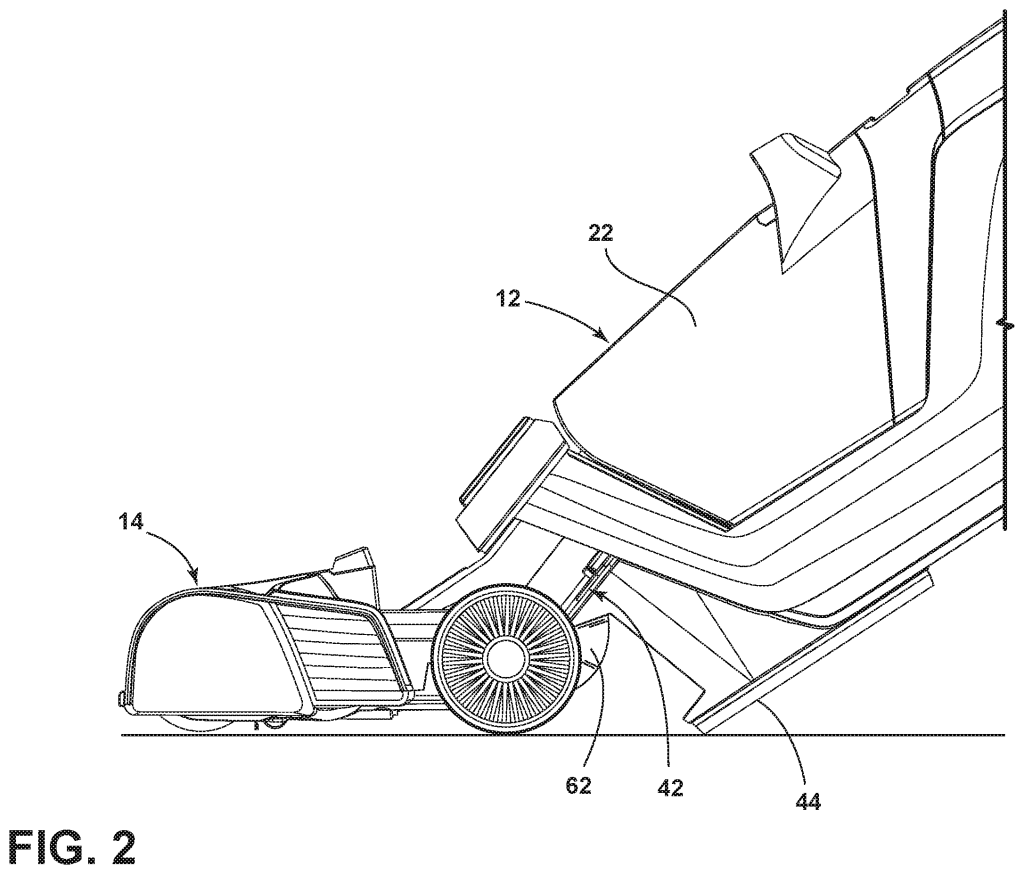
And here’s the kicker—it’s not some abstract legalese tussle. Fortress Iron LP thought they had ironclad protection on their ‘Vertical Cable Rail Barrier’ patents, numbers 9,790,707 and 10,883,290. But nope. Omission of a coinventor named Hua-Ping Huang turned victory into dust. The court upheld summary judgment of invalidity, no mercy.
Federal Circuit coinventor omission just became the nightmare phrase echoing in patent lawyers’ dreams. This case—first impression, precedential—stems from a straightforward infringement suit against Digger Specialties. Fortress employees teamed up with two from their quality control partner, Yoddex (YD). Alfonso Lin got added later under 35 U.S.C. § 256(a). Huang? Vanished into thin air, unlocatable. Boom—patents invalid.
Look, in the wild world of invention, especially as AI turbocharges collaborative breakthroughs—like those massive datasets crowdsourced from global devs—this hits hard. Teams sprawl across borders, contributions blur. Forget one name? Your AI patent might evaporate too.
Why Did the District Court Pull the Plug?
Fortress sued in 2021, cross-motions flew. Digger nailed it: incorrect inventorship under Section 101. Fortress begged to correct via § 256, but Huang’s absence blocked that. District court said no dice—invalid.
Federal Circuit, Judge Lourie penning, agreed. They sliced through Fortress’s pleas like a hot knife through butter. Huang’s a “party concerned” under § 256(b), entitled to notice and a hearing. Can’t find him? Tough luck. It’s not optional paperwork; it’s statutory steel.
“Section 256 is a ‘savings provision’ only to the extent that its statutory requirements are met.”
That’s the money quote, straight from the opinion. No wiggle room. Fortress whined that adding Huang only helps him—no adverse effect, so why require his input? Court shut that down. We don’t know if he’d cheer or challenge; that’s the point. Inventors aren’t pawns.
But wait—Fortress pushed harder. Huang lacks standing to sue anyway, they said. Irrelevant, ruled the court. Standing’s one beast; “party concerned” another. Clean separation.
Can You Still Fix a Patent Without All Inventors?
Short answer? No. And this is where my futurist heart races. Think Edison’s lab: dozens tinkering, but he claimed the glory. Today, AI inventions? Picture OpenAI’s teams, pulling from contractors worldwide. One overlooked contributor—your GPT patent crumbles.
The court hammered it: § 256(b) saves patents if corrected properly. Can’t? Invalid. Section 101 demands all inventors listed when there’s a joint crew. “Whoever” means every single one. No cherry-picking.
Fortress tried the ‘permissive language’ dodge—one inventor suffices. Laughable. That guts § 256’s purpose. Post-AIA repeal of old § 102(f)? Doesn’t change squat, said the judges.
Here’s my unique spin, absent from the dry opinion: this echoes the 19th-century sewing machine wars, where cross-licensing frenzies birthed modern IP. Back then, sloppy inventorship fueled chaos. Now, with AI’s exponential collab—GitHub repos birthing unicorns—this ruling forces hygiene. Bold prediction: we’ll see ‘inventor audits’ as standard in AI labs, blockchain-ledgers tracking contributions real-time. No more ‘he vanished’ excuses.
Energy surges here—imagine the pace of AI R&D grinding if every patent hangs by full disclosure. But it’s wonder too: this sharpens the blade, culling weak claims, propelling true innovators.
District court granted Digger’s invalidity motion. Affirmed.
Fortress appealed on § 256 as a broad savior. Nope. Procedural walls aren’t bendy.
What Happens When Huang Finally Surfaces?
Too late for these patents, but the precedent bites deep. Courts won’t speculate on his wishes. And that “agreed-upon omitted coinventor” status? Locks him in as protected.
Skeptical eye on Fortress’s spin—they painted it as benefiting Huang. Court called BS: statute says “party concerned,” not “economic winner only.” Rewriting forbidden.
In AI’s gold rush, where models train on oceans of human input, this screams vigilance. Your overseas annotator, that forum poster whose idea sparked it—coinventor? Better track ‘em.
The opinion drips with inventor reverence:
“[I]nventors occupy the central role in the patent process. They are where it all begins, even if they eventually assign their interests to others, such as employers. Thus, their explicit references in the statutory framework cannot be taken lightly.”
Poetic, almost. Amid corporate patent mills, a nod to the spark.
The Bigger Ripple for Tech Inventors
Pace picks up—summary judgment affirmed, no trial needed. Fortress loses rail barrier monopoly; Digger dances.
But zoom out. This isn’t fence posts; it’s foundational. AI firms, biotech squads, auto designers—any multi-contributor patent now sweats the roster.
Critique time: Fortress’s PR glossed the ‘unlocatable’ as fate’s fault. Nah. Diligence upfront, folks. Contracts with assignees, inventor hunts pre-filing—these save empires.
Wonder swells: as AI democratizes invention, platforms like Hugging Face swarm with co-creators. This decision? Rocket fuel for contributor verification tools. Blockchain patents incoming.
One punchy fallout.
Invalidity sticks unless § 256 rituals dance perfectly.
Deep dive: § 101 + § 100(f) + § 256(b) = all or nothing. “The necessary and opposite implication,” they wrote—poetic logic.
Fortress’s last gasp—AIA nuked old rules, so loosen up? Court: irrelevant. Joint inventors, full list. Period.
🧬 Related Insights
- Read more: Federal Court Blocks DOD’s Retaliation Against Anthropic Over AI Surveillance Safeguards
- Read more: Geiger Legal’s $15.2M AI Verdict: Tactics Exposed
Frequently Asked Questions
What is Section 256 and how does it affect patent validity?
Section 256 allows correcting inventorship errors but requires notice and hearing for omitted inventors as ‘parties concerned.’ Miss that? Patent’s invalid—no savings clause kicks in.
Can a missing coinventor always invalidate a patent?
Yes, if you can’t meet § 256(b) procedures—like notifying the missing person. Courts won’t assume; proof required.
Does this ruling impact AI and software patents?
Absolutely—collaborative AI inventions with global teams risk the same fate. Full inventor disclosure now non-negotiable.