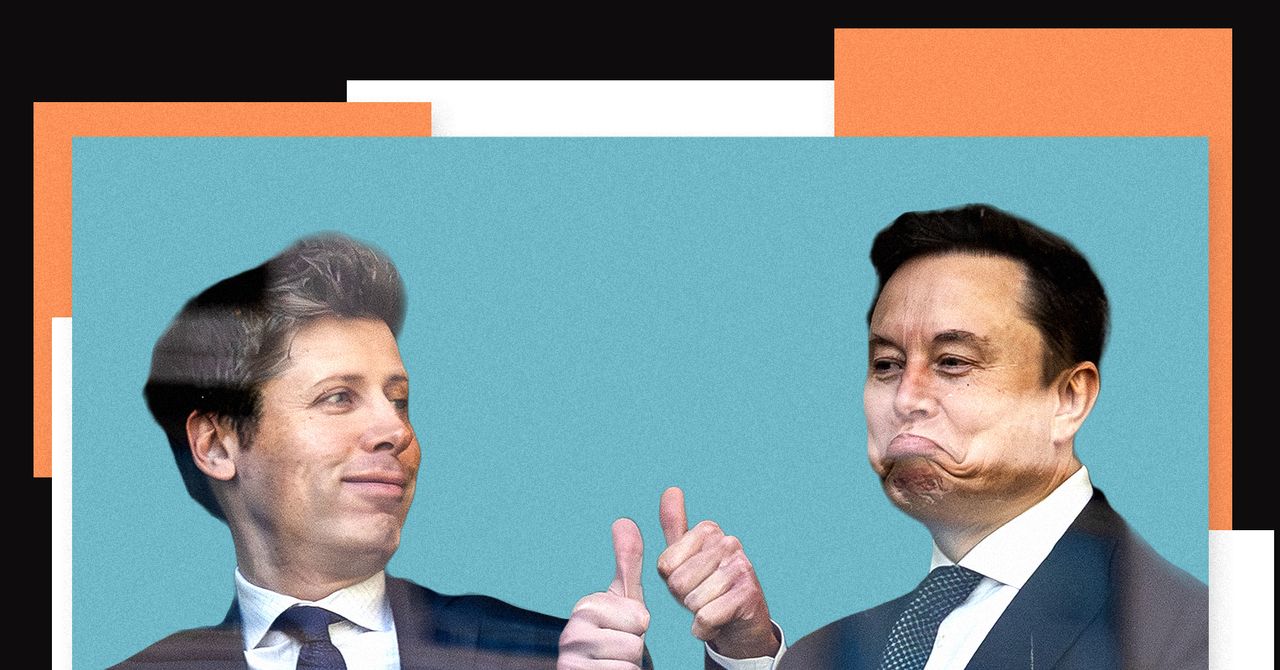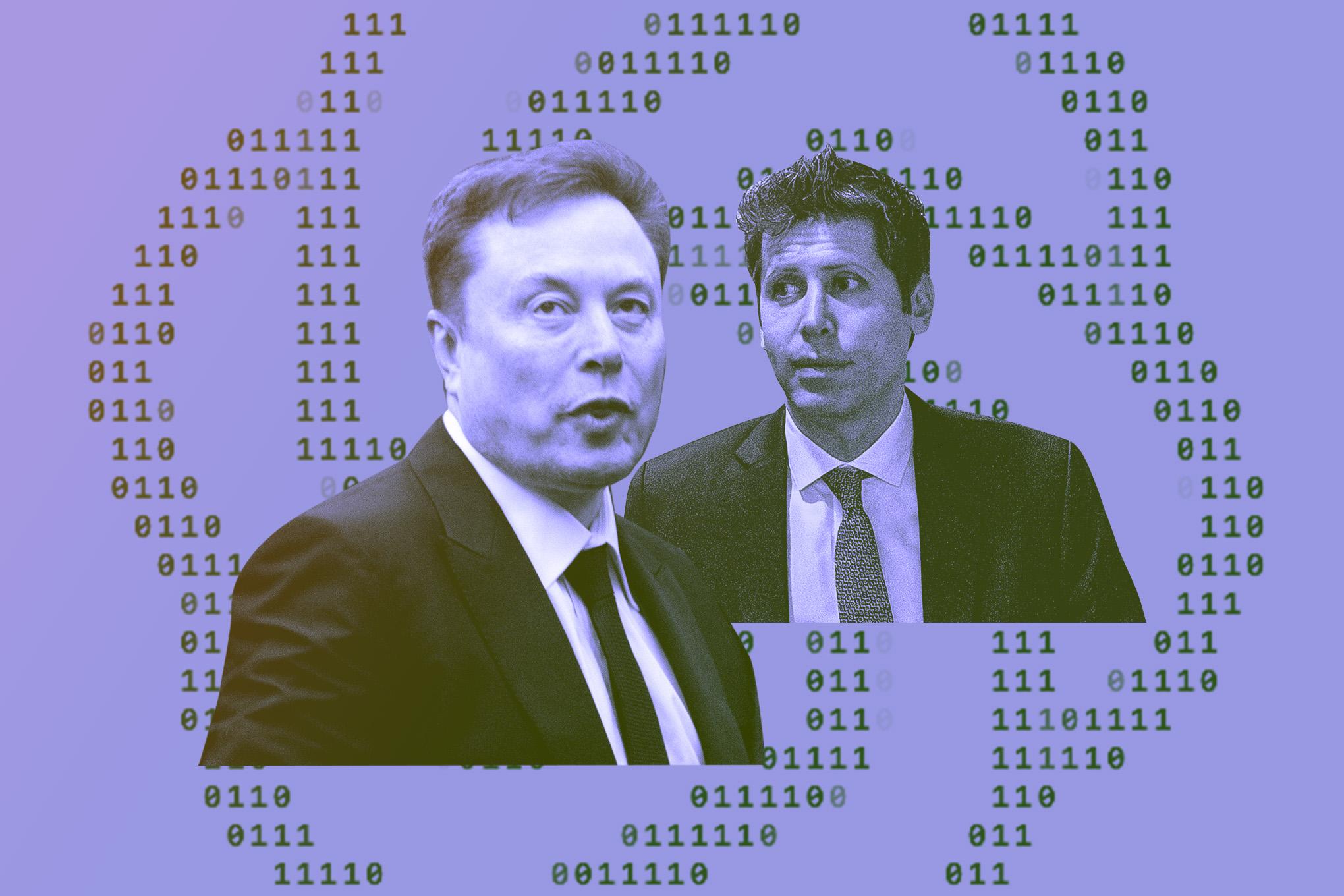
The courtroom doors have finally closed on the Musk v. Altman saga. Elon Musk’s lawsuit, the one where he claimed OpenAI’s top brass pulled a fast one regarding their non-profit status, went belly up. And here we are, a year or so later, with the dust settling enough to actually talk about what went down.
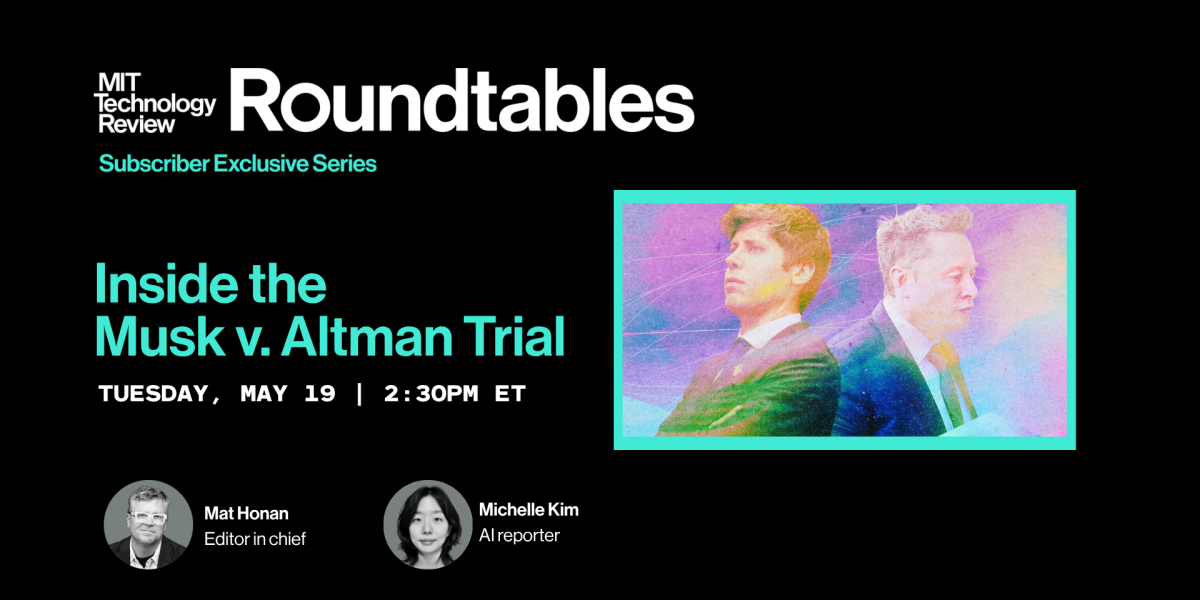
AI reporter Michelle Kim, who had a front-row seat (or at least the digital equivalent) to this whole messy affair for MIT Technology Review, sat down with editor in chief Mat Honan to spill the tea.
It’s one of those moments, isn’t it? The guy who practically birthed the idea of a publicly accessible AI revolution, who then bolted because things weren’t going his way fast enough, tries to drag the whole damn thing back to court.
And guess what? He lost. Big surprise there, considering the whole thing reeked of a Silicon Valley temper tantrum masquerading as a legal battle. Remember when Musk was all about open-sourcing AI? Now his company, xAI, is apparently just distilling OpenAI’s own models. Talk about a full circle, or maybe just a circle jerk.
So, What Actually Happened in Court?
Look, the details that trickle out from these things are rarely as glamorous as the PR machines want you to believe. Kim and Honan were there, digging into the nitty-gritty, the backroom deals, the alleged betrayals. It’s not just about who said what; it’s about what that means for the AI arms race that’s currently heating up faster than a server room with no ventilation.
Musk’s argument was basically that Altman and Brockman misled him about OpenAI’s commitment to being a pure non-profit. He was convinced they were already eyeing the IPO bling, the lucrative partnerships, the whole nine yards of corporate excess. And sure, on paper, he had a point. Companies morph. Ambitions shift. That’s just how the tech world spins.
But to pull the legal rug out from under them? That feels less like fiduciary duty and more like sour grapes.
Musk and Altman traded blows over each other’s credibility. Now the jury will pick a side.
Except, as it turned out, the jury didn’t really pick a side in the way Musk probably hoped. They sided with the current regime. The one that’s busy building “a fully automated researcher,” whatever that actually means in practice.
Who’s Actually Making Money Here?
This is the question, isn’t it? Every time these tech titans throw haymakers, you have to wonder about the underlying motives. Musk, the eccentric billionaire with a penchant for saving the world (or at least colonizing Mars), suing the company he co-founded. Is it about principles, or is it about control? Is it about altruism, or is it about his own perceived legacy and, let’s be honest, his own companies?
OpenAI, on the other hand, has Microsoft breathing down its neck, throwing billions at it like it’s going out of style. They’re deep in the AI race, making all sorts of bold pronouncements about the future of research and, well, everything else. The money is definitely flowing, even if the ultimate beneficiaries remain a bit opaque.
This trial, in a weird way, just highlights how much is at stake. It’s not just code and algorithms; it’s about who gets to shape the future of intelligence. And right now, the established players, the ones who weathered the legal storm, seem to be in the driver’s seat.
My gut feeling? This was about Musk trying to regain some semblance of control or, at the very least, disrupt a competitor he likely felt was slipping out of his orbit. When you’ve got billions involved and the promise of artificial general intelligence hanging in the air, things get ugly.
And if you’re an MIT alum or a subscriber, you can actually go listen to the whole conversation. This is just the CliffsNotes version, the cynical take from someone who’s seen enough of these battles to know that the truth is usually somewhere between the breathless hype and the dramatic accusations.
What’s Next for OpenAI?
With the lawsuit behind them, OpenAI can presumably get back to the business of building its AI empire. The big question remains whether their current trajectory – pushing boundaries at breakneck speed while navigating the inevitable ethical and legal minefields – will ultimately prove sustainable and beneficial, or if Musk’s underlying concerns about unchecked power will manifest in new and unforeseen ways.
This whole episode, frankly, is less about a legal victory for OpenAI and more about the sheer momentum of the AI race. Court cases are just speed bumps when the potential for world-changing (and world-altering) technology is on the line. The real verdict will be written in the code, in the products, and in how society adapts to what these companies are unleashing.
🧬 Related Insights
- Read more: OpenAI Connects Banks to ChatGPT: Big Data Gold Rush?
- Read more: AI Fuels Lawyer Boom: Jobs Surge as Tools Like Felix Level Up Legal Work
Frequently Asked Questions
What was Elon Musk suing OpenAI about? Elon Musk alleged that OpenAI CEO Sam Altman and President Greg Brockman had deceived him regarding the company’s non-profit status and its shift toward commercialization.
Did Elon Musk win his lawsuit against OpenAI? No, Elon Musk lost his lawsuit against OpenAI.
What are the implications of this trial for the AI race? The trial brought to light internal disputes and concerns about OpenAI’s direction, potentially influencing public perception and regulatory scrutiny as the AI race intensifies. It also underscored the high stakes involved in developing advanced AI.