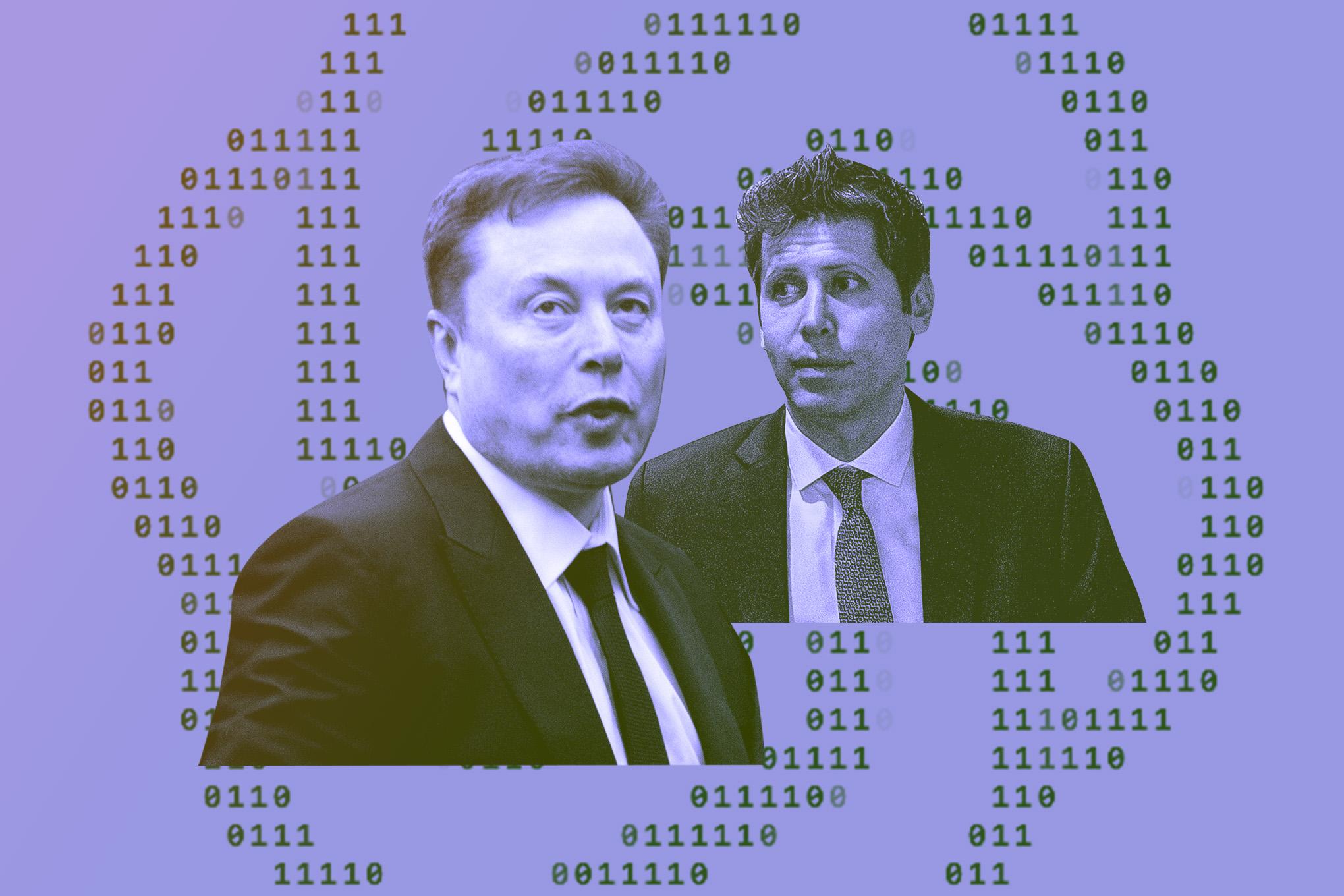
The gavel has fallen. After weeks of courtroom drama and speculation, a unanimous jury in the Musk v. Altman trial has delivered its verdict, effectively siding with OpenAI CEO Sam Altman and his company.
This wasn’t just any trial; it felt like a seismic event in the nascent history of AI governance. The core accusation: that OpenAI, a beacon of open-source promise, had strayed from its founding mission, allegedly diverting Musk’s initial investment away from a non-profit ideal and into the behemoth it is today, fueled by a partnership with Microsoft. Musk’s legal team painted a picture of betrayal, of a trust broken, and of unjust enrichment. OpenAI and its allies, in turn, fired back, painting Musk as a disgruntled former co-founder with an axe to grind.
Here’s the thing: the jury didn’t even get into the weeds of whether OpenAI’s mission had truly shifted. Nope. They punted on all charges, citing the statute of limitations. It’s like showing up to a boxing match ready to throw punches, only to be told you waited too long to buy your ticket. Two of Musk’s claims were declared time-barred, and a third crumbled because one of the preceding claims was invalid.
The jury found that Musk’s claim for breach of charitable trust was barred by the statute of limitations, and the claim that Microsoft aided and abetted such a breach failed with it. Restitution is also barred by the statute of limitations, the jury found.
Now, I know what you’re thinking: an advisory jury? Doesn’t the judge have the final say? Yes, indeed. US District Judge Yvonne Gonzalez Rogers holds the ultimate legal authority. But she accepted the jury’s decision. And in this case, that’s a massive win for OpenAI, Sam Altman, and the broader ecosystem of AI development that often feels like it’s navigating uncharted, legally foggy waters.
The Fallout: More Than Just Legal Maneuvers
This trial was more than just a legal spat; it was a public referendum on the very nature of AI development. Musk’s lawsuit brought to the forefront a tension that’s been simmering since AI’s explosive resurgence: the delicate balance between rapid innovation and ethical, mission-aligned development. He argued that OpenAI had sold out its original, altruistic vision for commercial gain, a narrative that resonated with many who champion open-source principles. On the other hand, OpenAI’s defense underscored the practical realities of funding massive AI research and development – it’s a costly endeavor, and partnerships are necessary to push the boundaries of what’s possible.
What’s fascinating here is the framing. While Musk felt he was defending a founding principle, the jury saw a case that, legally speaking, had missed its window. This isn’t a declaration that OpenAI’s current trajectory is ethically unimpeachable; it’s a legal conclusion based on the timeline of events. The conversation about AI’s mission and its commercialization will absolutely continue, but it won’t be dictated by this particular lawsuit.
Why Does This Matter for the Future of AI?
The implications stretch far beyond this courtroom. The verdict, by removing the specter of a potentially disruptive legal precedent, offers a degree of stability for companies operating in the AI space. Imagine trying to build a skyscraper when the very foundation of property law is constantly in flux. This verdict, while not a definitive ethical blueprint, provides a clearer sky for AI development, allowing companies to focus on innovation rather than constantly looking over their shoulders for lingering legal challenges related to past promises.
This is critical because AI isn’t just a new app; it’s a fundamental platform shift, akin to the advent of the internet or the mobile phone. It’s weaving itself into the fabric of every industry, and the legal frameworks governing it are still being sketched out. A verdict like this, even if based on procedural grounds, helps establish a baseline. It signals that while oversight and adherence to founding principles are important, established legal timelines for bringing claims will be enforced. This offers a measure of predictability that’s vital for attracting investment and fostering sustained growth in this explosive field.
What Happens Now?
For Elon Musk, this is undoubtedly a setback. His public quest to hold OpenAI accountable to its original mission has been legally rebuffed. For Sam Altman and OpenAI, it’s a reprieve, allowing them to focus on their ambitious roadmap, including their continued partnership with Microsoft. The debate over AI’s soul and its commercialization, however, is far from over. This verdict simply closes one chapter, leaving the broader narrative to unfold.
🧬 Related Insights
- Read more: Georgetown Law Ditches Gala for Classroom Happy Hour: Students’ Big Moment Gutted
- Read more: USPTO’s 43% IPR Slash: Patent Wars Just Got a US Shield
Frequently Asked Questions
What was the main accusation in the Musk v. Altman lawsuit? Musk alleged that OpenAI and Sam Altman breached OpenAI’s charitable trust by straying from its founding mission to benefit humanity, particularly by prioritizing commercial interests and a partnership with Microsoft over its original non-profit goals.
Did the jury decide if OpenAI changed its mission? No, the jury did not rule on the merits of whether OpenAI’s mission had changed. They dismissed all charges because they found them to be barred by the statute of limitations.
Is the jury’s decision legally binding? The jury in this case was advisory, meaning their verdict offers an opinion to the judge. However, US District Judge Yvonne Gonzalez Rogers accepted the jury’s decision, making it the effective ruling.