The USPTO has fundamentally rewired the patent litigation landscape.
This isn’t just a statistical anomaly; it’s a wholesale reshaping of the battlefield for patent disputes. The U.S. Patent and Trademark Office (USPTO) has, with alarming efficiency, plummeted the institution rate for inter partes review (IPR) proceedings by a staggering 43% in just over a year. We’re talking about a transformation so profound, it feels like watching a meticulously crafted clockwork mechanism suddenly recalibrate itself on a grander, more decisive scale.
Imagine a colossal engine, once humming with the steady rhythm of patent challenges, now throttling back dramatically, its output severely curtailed. That’s the picture painted by recent USPTO data. Back in October 2024, the likelihood of an IPR petition getting the green light hovered around a healthy 65%. Fast forward to February 2026, and that figure has cratered to a mere 37%. This isn’t tinkering; it’s a strategic overhaul, a deliberate decision to tighten the gates.
Why the Dramatic Reversal?
The seeds of this drastic change were sown in March 2025 with an interim process memo, a document that subtly hinted at a new era of discretion. Under this revised framework, the USPTO Director began exercising significant control, essentially reserving the right to deny IPRs or post-grant reviews (PGRs) based on a wider set of considerations. Then, in October 2025, Director John Squires took the reins of all IPR institution decisions, solidifying this centralized control. The message was clear: the days of an almost automatic pathway to review were over.
This shift isn’t happening in a vacuum. It’s a direct response to what the USPTO views as the “exploitation of PTAB proceedings by foreign state-backed actors.” A key pivot point was the Yangtze Memory Technologies v. Micron Technology decision in January 2026. This informative case vacated two prior decisions that had granted IPR institution, all stemming from disputes over the real party in interest (RPI). Prior to Yangtze, Director Squires issued a memo reinforcing the requirement for petitioners to rigorously identify all RPIs before an IPR could even get off the ground. It’s a move designed to fortify the system against those who might seek to game it.
“The time to raise them is in Discretionary considerations briefing.”
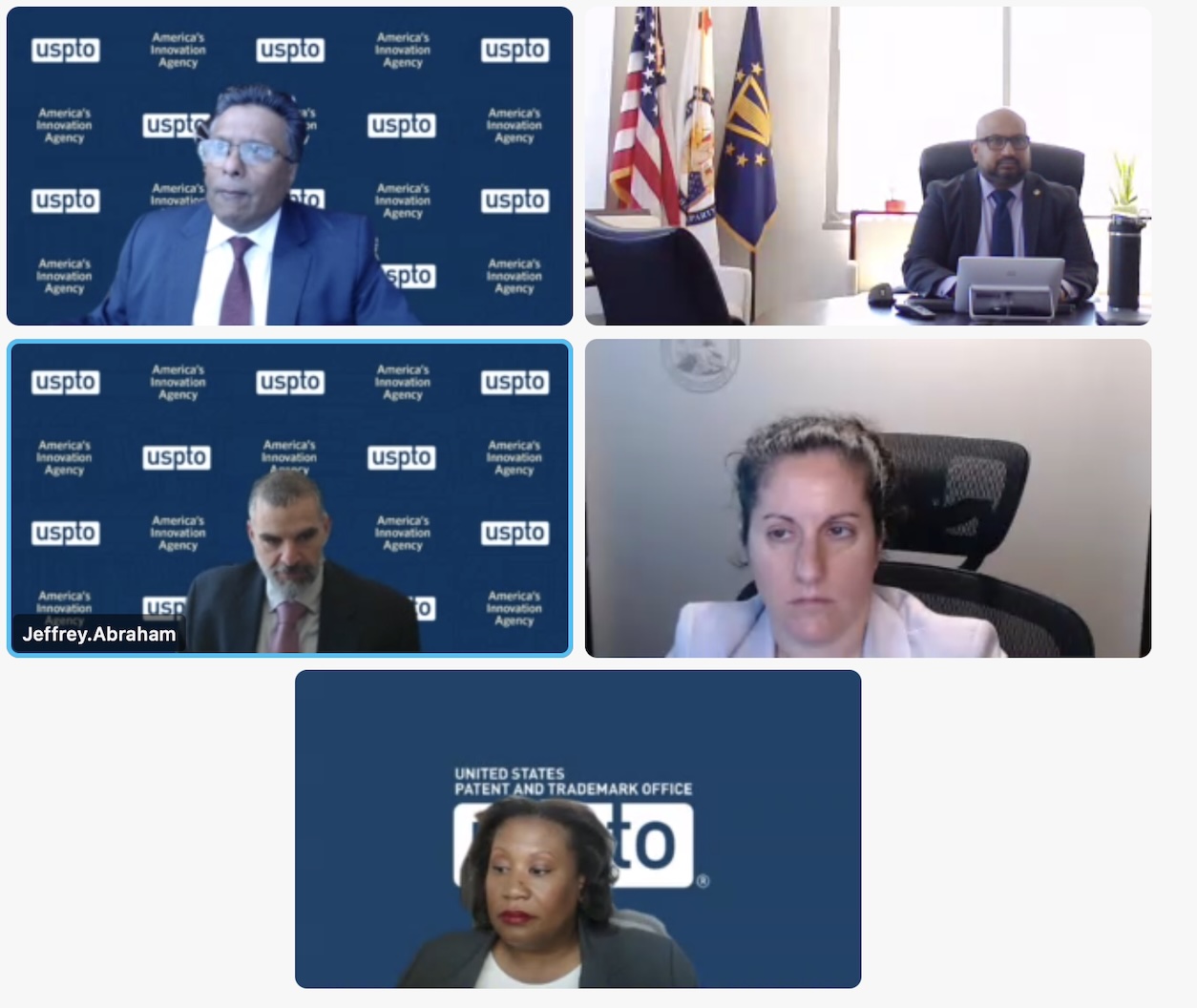
As Kalyan Deshpande, PTAB Chief Administrative Patent Judge, pointed out, there have been 600 discretionary consideration decisions issued since that vital March memo. And the impact on appeals pendency? Simply astounding. Acting Vice Chief Judge Stacey White shared that from an average of 28 months in May 2025, pendency has been slashed to just over 9 months as of April 2026. The sheer volume of pending appeals has also been whittled down from a peak of over 26,000 to under 2,000. It’s a proof to a sharpened focus, a laser-like approach to case management.
The New Gatekeeping Mechanism
This isn’t just about efficiency; it’s about control. The USPTO is wielding its discretionary powers like a finely tuned instrument, curating which patent disputes get a full hearing. The emphasis on identifying RPIs early, as Acting Deputy Chief APJ Michelle Ankenbrand stressed, is crucial. Getting it wrong or trying to sneak issues in late? You’ll likely find the door firmly shut.
And what about the new discretionary factors, like whether products involved in a proceeding are manufactured and sold in the United States? Deshpande indicated that while these considerations were fresh at the time of the webinar, we should expect to see them influencing decisions in the near future. For now, though, it seems any attempts to raise these discretionary issues post-institution are being met with a polite, yet firm, dismissal. The time to make your case is before the institution decision, not after.
So, what does this all mean for innovators and patent holders? It means the PTAB is no longer the automatic second bite at the apple it once was. It’s become a more selective arena, requiring a deeper, more strategic approach from the outset. The gates have been narrowed, and only those with meticulously prepared cases will find them opening.
This shift in the USPTO’s approach to IPRs represents a significant inflection point. It’s not just a change in numbers; it’s a fundamental alteration in how patent validity challenges will be conducted, potentially making the IPR process a less accessible tool for patent challengers. The era of broad access seems to be giving way to a more guarded, discretionary approach, demanding greater precision and strategic foresight from all parties involved.
🧬 Related Insights
- Read more: Associate Attorney Job: Predictable Arts IP
- Read more: Claude for Legal: Is Anthropic Plotting World Domination?
Frequently Asked Questions
What does the drop in USPTO IPR institution rates mean for patent holders? It means the PTAB is likely to be a less accessible venue for patent challengers, potentially requiring more strategic groundwork before filing and increasing the likelihood of petitions being denied outright.
Why is the USPTO focusing more on Real Party in Interest (RPI)? The USPTO is emphasizing RPI identification to prevent the exploitation of the PTAB process by foreign actors and to ensure that all relevant parties are properly identified early in proceedings.
Will this change affect the cost of patent litigation? Potentially. While fewer institutions could mean fewer lengthy proceedings, the increased focus on upfront diligence and strategic preparation might offset some cost savings, while also potentially increasing the cost of preparing initial petitions.