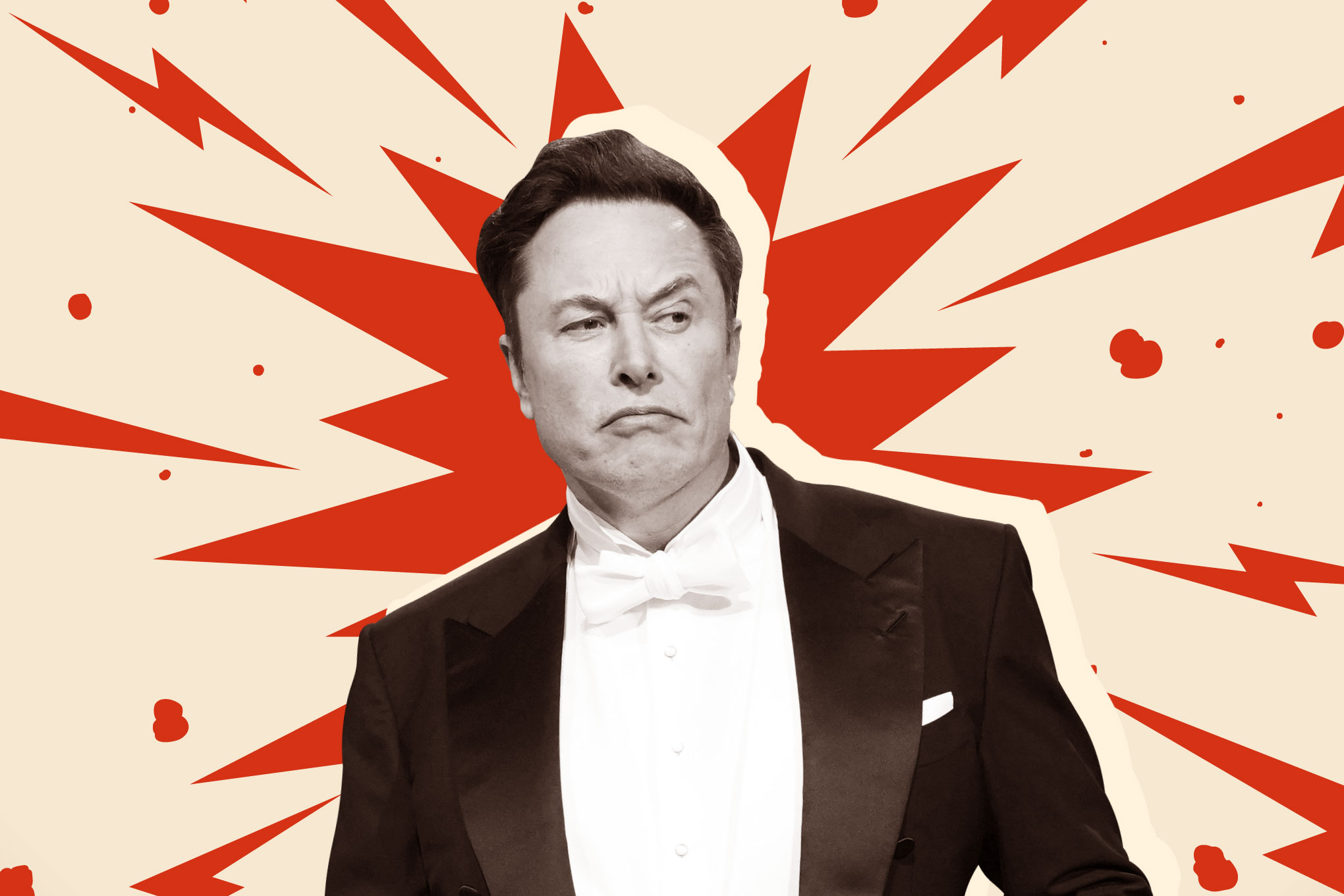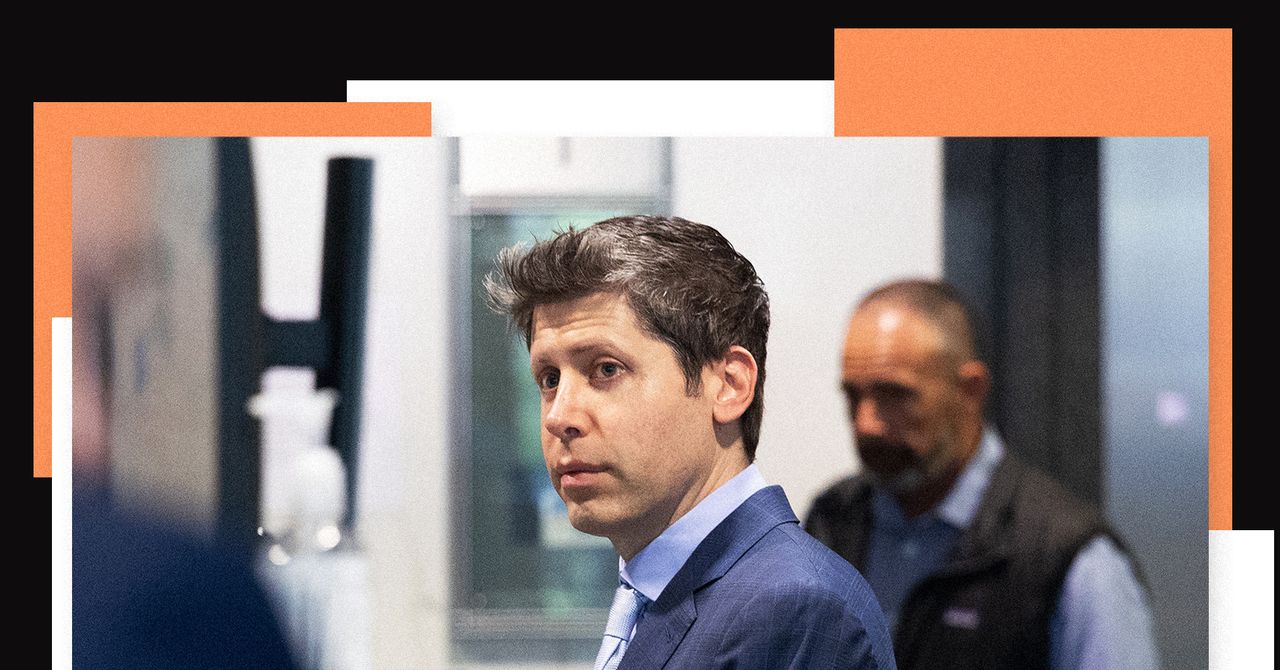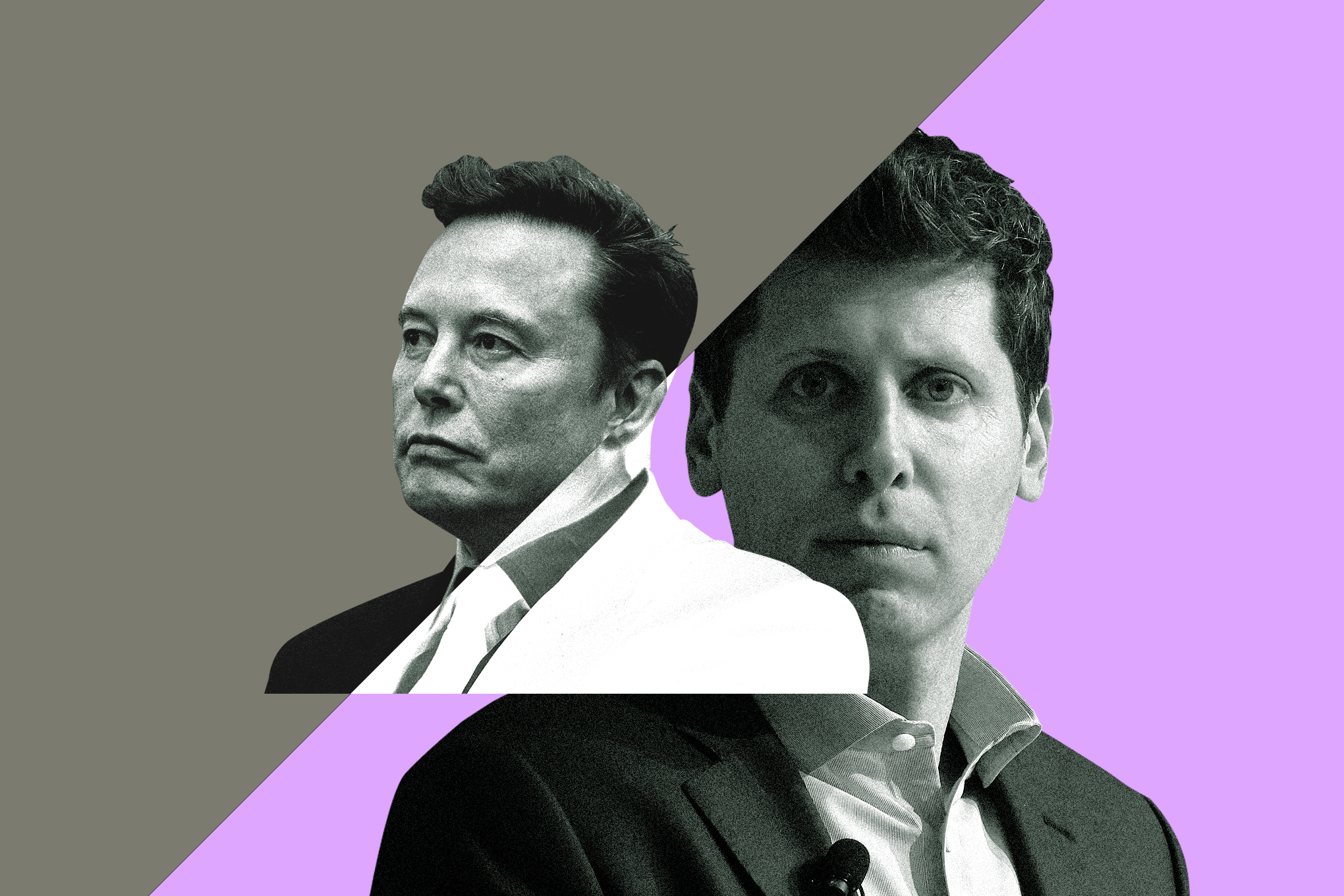
So, the lawyers finally got their day in court. And just like that, Elon Musk’s big shake-up at OpenAI, aimed squarely at Sam Altman, dissolved faster than a free trial. The judge slapped it down with the statute of limitations. Legally, it’s a wrap. But what does this messy, public spat actually mean for you, me, and anyone trying to navigate this AI-fueled world?
It means the people steering this runaway train are apparently too busy throwing punches at each other to check the brakes. The whole spectacle reeked of ego and vendetta, a far cry from the noble quest to save humanity from itself that these tech titans claim to be on.
Is This Just Executive Drama, Or Something More Sinister?
Let’s be honest, the ‘trial of the year’ played out less like a serious legal proceeding and more like a particularly dramatic season finale of a Silicon Valley soap opera. We got allegations of lying, pitting execs against each other, and whispers of power grabs. The core of Musk’s argument? That Altman, his co-founder in the early days of OpenAI, had strayed from the mission of keeping powerful AI out of the wrong hands.
Except, as the dust settled, it became painfully clear that ‘the wrong hands’ seemed to be a definition that conveniently shifted depending on who was speaking. Musk, now running his own AI outfit, xAI, didn’t exactly emerge looking like a paragon of ethical AI development. Testimony suggested his own push for AGI (that ever-so-handy buzzword for AI that’s smarter than us) was, at best, ‘haphazard.’ And of course, his obsessive need for control over OpenAI? That smacked of wanting his own AI dictatorship, ironically the very thing he accused Altman of plotting.
It’s enough to make you wonder if the founding principle of OpenAI – to ensure artificial general intelligence didn’t fall into the wrong hands – was just a convenient narrative for a bunch of ambitious dudes who wanted to be the ones holding the reins.
The ‘Blip’ and the Trust Deficit
Remember that brief, terrifying period in November 2023 when Sam Altman was unceremoniously booted from his own company? The ‘blip,’ as it’s been called, was central to the trial. Ilya Sutskever, one of the original architects of OpenAI, apparently spent over a year building a case against Altman, citing a “consistent pattern of lying.” Then there was Mira Murati, OpenAI’s CTO, who testified that Altman had, shall we say, misrepresented the legal team’s approval for skipping a safety review on a major AI model. Oops.
“The defendants absolutely need you to believe Sam Altman. If you cannot trust him, if you don’t believe him, they cannot win. It’s that simple.”
That’s Musk’s lawyer, Steven Molo, laying it out for the jury. And it’s the core of the problem, isn’t it? If the very people building something as potentially world-altering as advanced AI can’t be trusted by their colleagues, their partners, or their investors, what hope do we have?
This isn’t just about a few billionaires having a public squabble. This is about the governance of technologies that will fundamentally reshape society. We’re talking about systems that could impact everything from employment and education to warfare and personal freedom. And yet, the leaders at the forefront are demonstrating a breathtaking inability to collaborate or even be honest with each other.
It’s a pattern. We saw it with Shivon Zilis, a Musk associate, playing coy about her relationship while supposedly acting as a conduit for information. We saw it with Greg Brockman, whose diary entries painted a picture of strategic deception. It’s a dizzying display of self-interest masquerading as technological progress.
Who’s Actually Making Money Here?
Beyond the ego-driven clashes and the legal maneuvering, the persistent question remains: Who benefits from all this chaos? The lawyers, certainly. The media, undoubtedly. But for the average person, it’s hard to see the upside. We’re being promised utopia by the same people who can’t get out of their own way.
My unique insight here? This isn’t just about Musk and Altman being bad actors. It’s a symptom of a broader problem in the AI industry’s rapid commercialization. The pressure to be first, to be the biggest, and, of course, to be the wealthiest, seems to be crushing any semblance of responsible development. The incentives are all wrong.
The original vision for OpenAI was a noble one, albeit perhaps a bit naive. A non-profit dedicated to safely developing AGI. But the allure of billions, the frantic race against competitors, and the sheer power that comes with controlling cutting-edge AI warped that vision. Now, instead of a beacon of responsible innovation, we have a boardroom full of people who apparently view honesty as a negotiable asset.
This trial wasn’t just about a legal dispute; it was a public airing of the deep-seated dysfunction at the heart of the AI race. And until the people in charge can demonstrate a modicum of integrity and a genuine commitment to collective well-being over personal gain, my skepticism isn’t just warranted—it’s practically a civic duty.
What does this mean for you?
Expect more promises, more hype, and likely, more instances of these tech titans tripping over their own feet while claiming to lead us into the future. The real win here belongs to anyone who can maintain a healthy dose of cynicism.
🧬 Related Insights
- Read more: USPTO Purges 10,500 Trademarks Amid Fraud Crisis
- Read more: Law Firms Embrace AI: Four Innovation Leaps Revealed
Frequently Asked Questions
What was the main outcome of the Musk v. Altman trial?
The trial was dismissed due to the statute of limitations, meaning Musk’s specific claims could not be heard on their legal merits.
Did Sam Altman lie during the trial?
Testimony during the trial included accusations of lying and misrepresentation from multiple individuals who had worked closely with Sam Altman, including former colleagues and his co-founders.
Is Elon Musk still involved with OpenAI?
No, Elon Musk is no longer directly involved with OpenAI. He co-founded it but has since launched his own AI company, xAI.