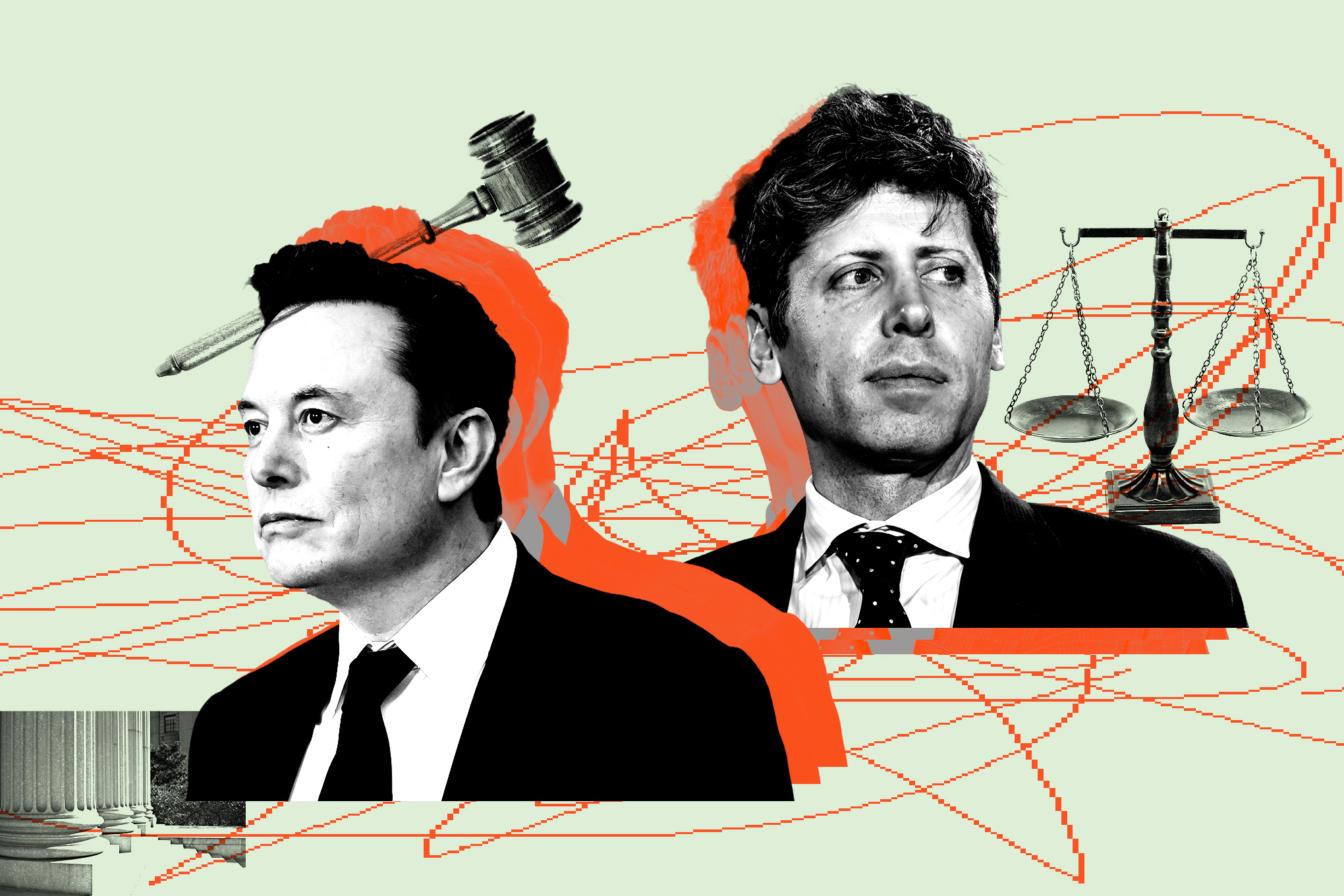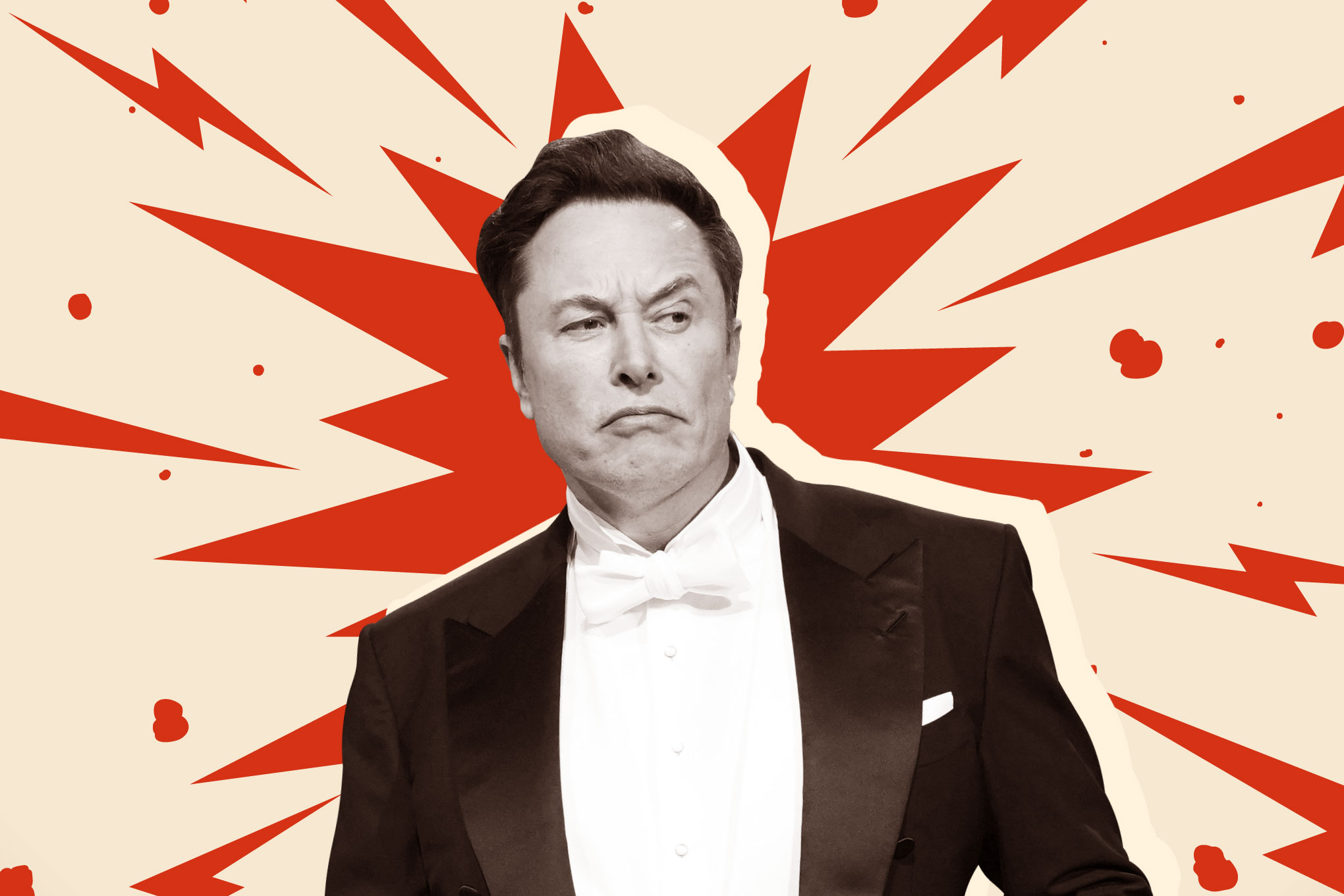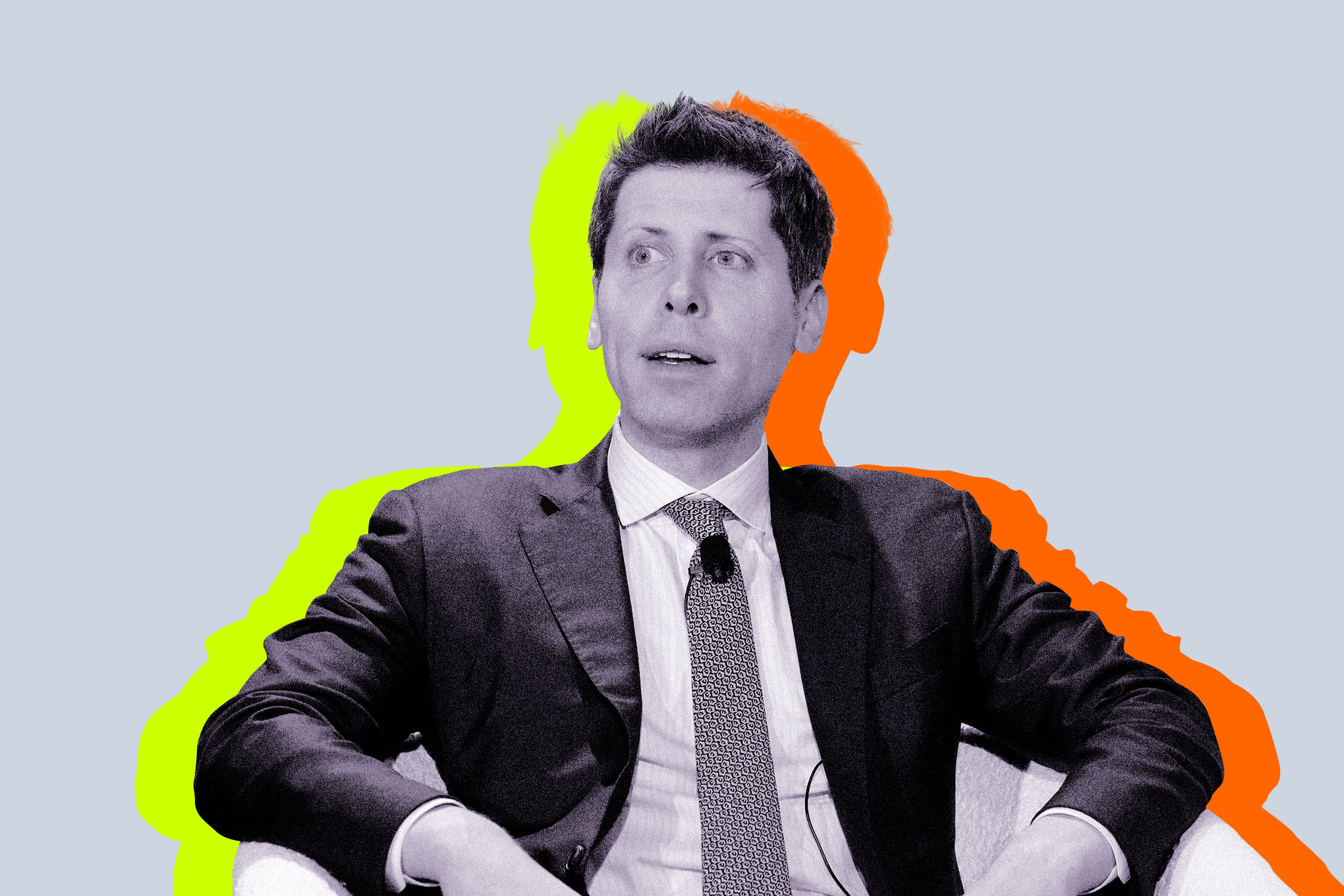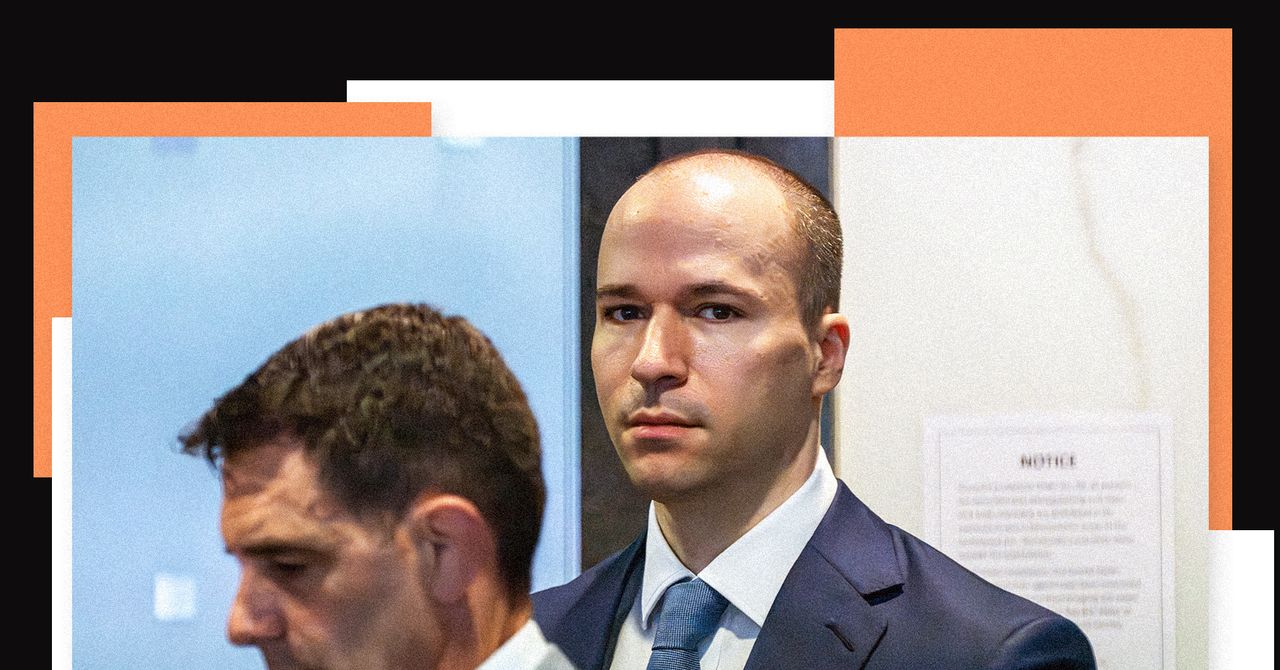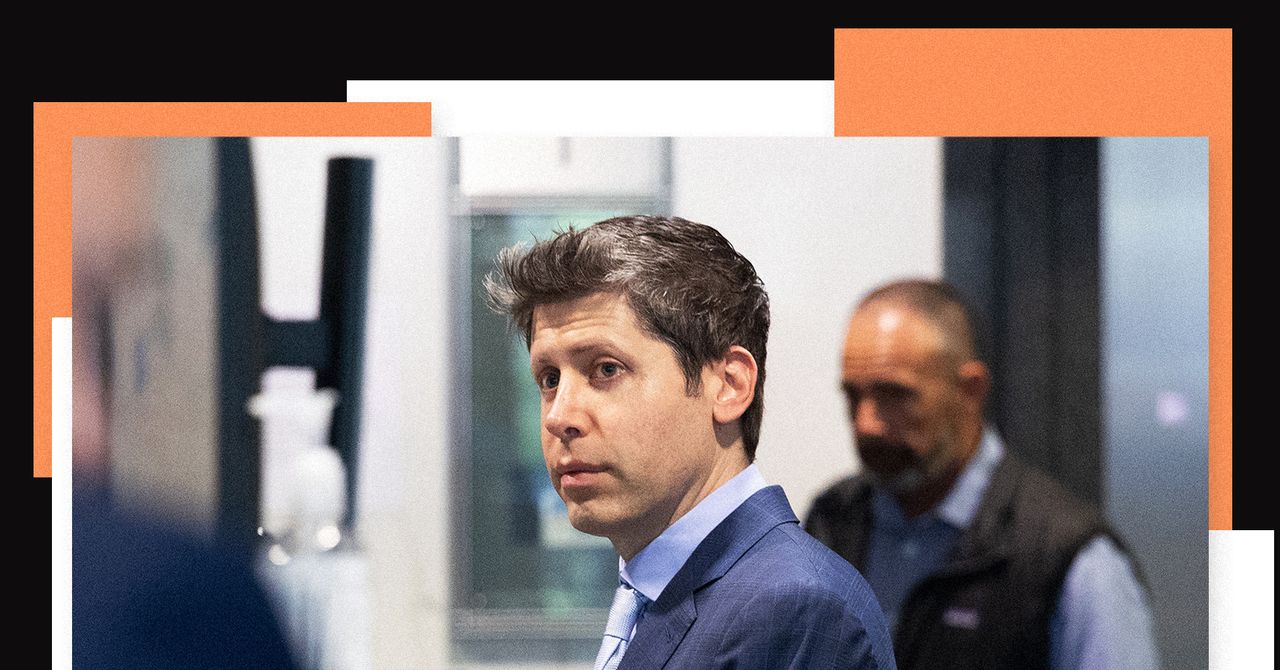
So, the grand spectacle of Elon Musk vs. Sam Altman is underway, and frankly, it’s delivering the kind of backstage drama we’ve come to expect from these titans. Everyone braced for a tech civil war, envisioning Musk proving Altman’s alleged deception, perhaps with a smoking gun of some sort. Instead, we’re getting a witness stand interrogation that feels less like a courtroom showdown and more like a particularly awkward family reunion where someone brought up old college debts.
The script was supposed to be Musk, the wronged visionary, exposing Altman’s supposed betrayal of OpenAI’s founding principles. But judging by Tuesday’s testimony, Musk’s legal team is having a rough go of it, struggling to land blows. Altman, on the other hand, seems to be painting a picture that’s… well, decidedly less villainous for himself and more about Musk’s own peculiar obsessions.
The ‘Hair-Raising’ Inheritance Plan
This whole trial is ostensibly about whether Altman hijacked OpenAI from its non-profit roots and turned it into a $850 billion for-profit empire, fleecing Musk’s $38 million donation in the process. Musk’s lawyers are working overtime to portray Altman as a slippery character, untrustworthy, someone who bends the truth to his advantage. They’ve trotted out former colleagues, dredged up ancient history from Altman’s Loopt days (seriously, 15 years ago?), and generally tried to make him look like a snake oil salesman.
But the real zinger? The detail that really makes you pause and think, ‘Wait, what?’ is Musk’s alleged desire to pass control of OpenAI to his children. Altman dropped this bombshell, describing it as a “particularly hair-raising moment.” Let that sink in. While Altman was apparently trying to build an AI company that benefited humanity, Musk was apparently contemplating a dynastic handover. The casual indifference to the sheer absurdity of this notion, coupled with Altman’s understated “We didn’t feel comfortable with that,” is a masterclass in courtroom understatement.
It’s moments like these that make you wonder who’s actually pulling the strings, and more importantly, who’s making the actual money here.
Altman also threw in a jab about Musk’s 2018 attempt to launch an AI unit within Tesla, dangling the carrot of leadership before Altman. This, Altman suggested, was a “vague, lightweight threat” – essentially, Musk implying he could simply crush OpenAI if Altman didn’t play ball. It paints a picture of Musk not just as a founder, but as a volatile force whose primary tool might be intimidation rather than collaboration.
‘Are You Completely Trustworthy?’
Musk’s lawyer, Steven Molo, kicked off Altman’s cross-examination with the kind of softball question that’s anything but: “Are you completely trustworthy?” Altman, predictably, dodged, saying it’s up to the jury. Molo then proceeded to hammer home the point, asking if Altman always tells the truth, if he lies for business, if he’s misled people. Altman’s answers were a masterclass in plausible deniability – “I’m sure there is some time in my life where I have not,” he conceded. Vague enough to be truthful, yet loaded with enough doubt to satisfy Molo’s agenda.
But here’s the kicker. Molo didn’t just rely on Altman’s own words. He lined up a parade of accusers – Musk himself, Ilya Sutskever, Mira Murati, Tasha McCauley, even the Anthropic founders. Accusations, mind you, that span years and cover everything from past business dealings to the very nature of Altman’s integrity. It’s a scorched-earth tactic, designed to erode any shred of credibility Altman might have left in the eyes of the jury – and more importantly, the public.
And then there’s the financial angle. News broke just before this that a House oversight committee is sniffing around Altman’s personal investments, specifically his stake in Helion, a nuclear energy startup. Altman testified he owns a $2 billion equity stake there. This isn’t just about AI anymore; it’s about potential conflicts of interest, the murky intersection of personal wealth and corporate responsibility. Who benefits when OpenAI makes a deal? Is it humanity, or is it Altman’s growing personal fortune?
The Statute of Limitations Elephant
What’s particularly galling about this whole Musk-versus-OpenAI circus is the lingering question of timeliness. Altman and even Musk’s own former chief of staff, Sam Teller, have testified that they don’t recall Musk ever attaching special conditions to his donations. This directly undermines Musk’s claim that his money was intended for a specific, non-profit purpose that Altman allegedly violated. Furthermore, the whole thing smells fishy from a legal standpoint. Musk is suing years after his last donation, after suspicions allegedly arose. It’s starting to look like a case of buyer’s remorse, or perhaps a strategic legal maneuver filed long after the statute of limitations has likely expired. Filing late in a high-stakes lawsuit like this? It smacks of desperation.
So, here we are. Instead of a clear-cut case of corporate malfeasance, we’re witnessing a public airing of grievances that includes bizarre inheritance plans and questions about past business dealings stretching back a decade and a half. It’s entertaining, sure, but the core question – who is truly building AI for the good of humanity, and who’s just looking to cash in? – remains as opaque as ever.
This trial, more than anything, highlights the chaotic, personality-driven nature of much of the tech world. When billion-dollar companies are built on the whims of a few individuals, and their disputes spill into public courtrooms, it’s a stark reminder that for all the talk of progress, the oldest human motivations – ego, control, and yes, a bit of spite – are still very much in play. And for the average observer, it’s just another soap opera with higher stakes and worse haircuts.
🧬 Related Insights
- Read more: Virginia Election Overturned: Redistricting Fiasco Hits Supreme Court
- Read more: 79% of Americans Demand Congress Probe Government Data Screw-Ups
Frequently Asked Questions
What did Elon Musk want to do with OpenAI? Elon Musk reportedly had an idea where control of OpenAI would pass to his children if he were to die. Sam Altman testified this was a “hair-raising moment” for him and others at OpenAI.
Did Elon Musk donate money to OpenAI? Yes, Elon Musk donated $38 million to OpenAI. Musk’s lawsuit alleges that Sam Altman used this money to create a for-profit business, which Musk claims violates OpenAI’s charitable trust.
Is the Musk v. Altman lawsuit likely to succeed? Musk’s legal case faces significant challenges, including potential issues with the statute of limitations and a lack of clear evidence supporting his claims that he attached special conditions to his donations.