Everyone expected AI to get smarter. Better at writing emails, sure. Maybe even decent at coding a website. We were looking at a souped-up calculator, a turbocharged spreadsheet. What we’re actually seeing, however, is far more profound. This isn’t just about faster processing; it’s about a fundamental shift in how intelligence itself is being built and understood.
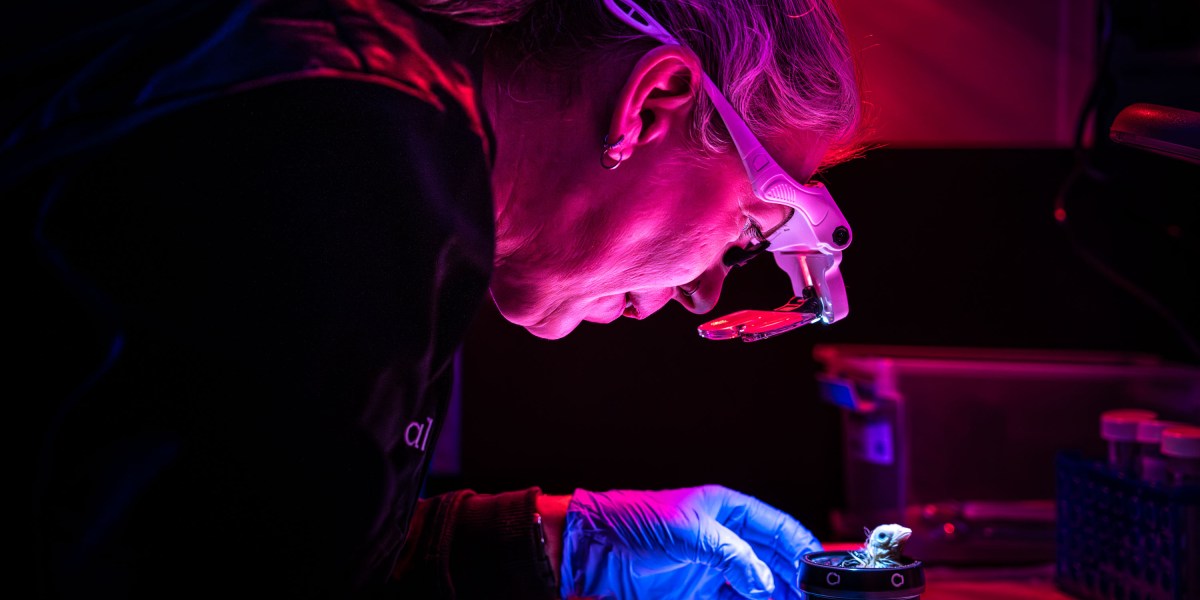
Look at Colossal Biosciences, claiming they’ve cracked the code on a “fully artificial egg.” Chickens, not from a hen, but from a 3D-printed shell. On the surface, it’s a wild science fiction trope brought to life, an early step towards artificial wombs, they say. But peel back the layers, and you see the engine driving it: AI, not just analyzing data, but constructing reality, at least in a biological sense. This isn’t just about resurrecting extinct birds; it’s about AI becoming a tool for creation on a scale we’ve only dreamed of.
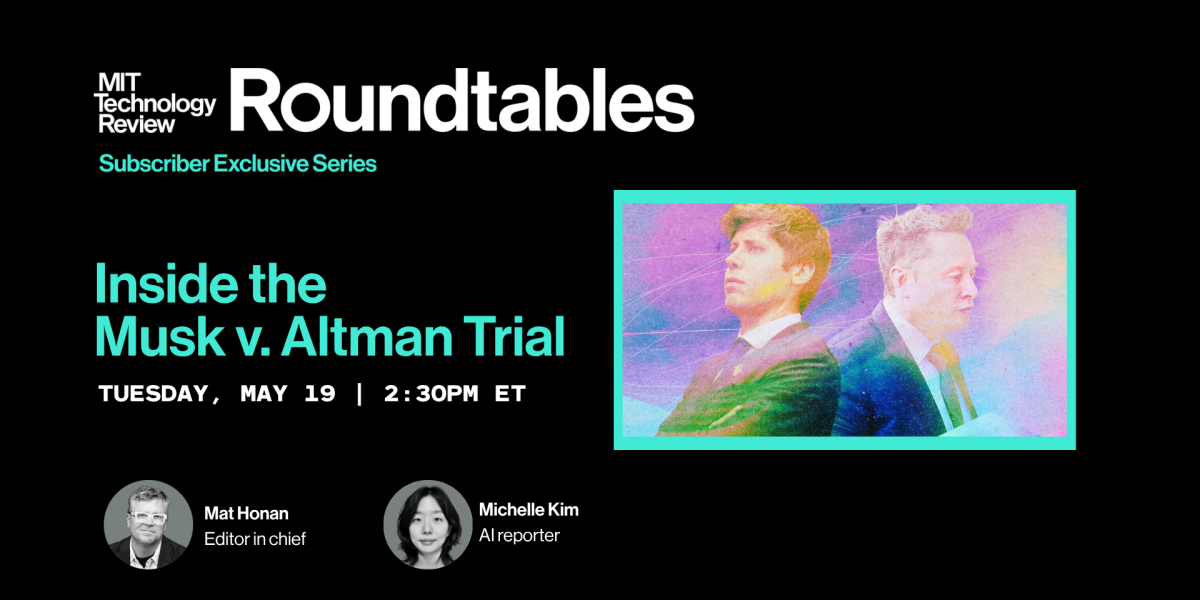
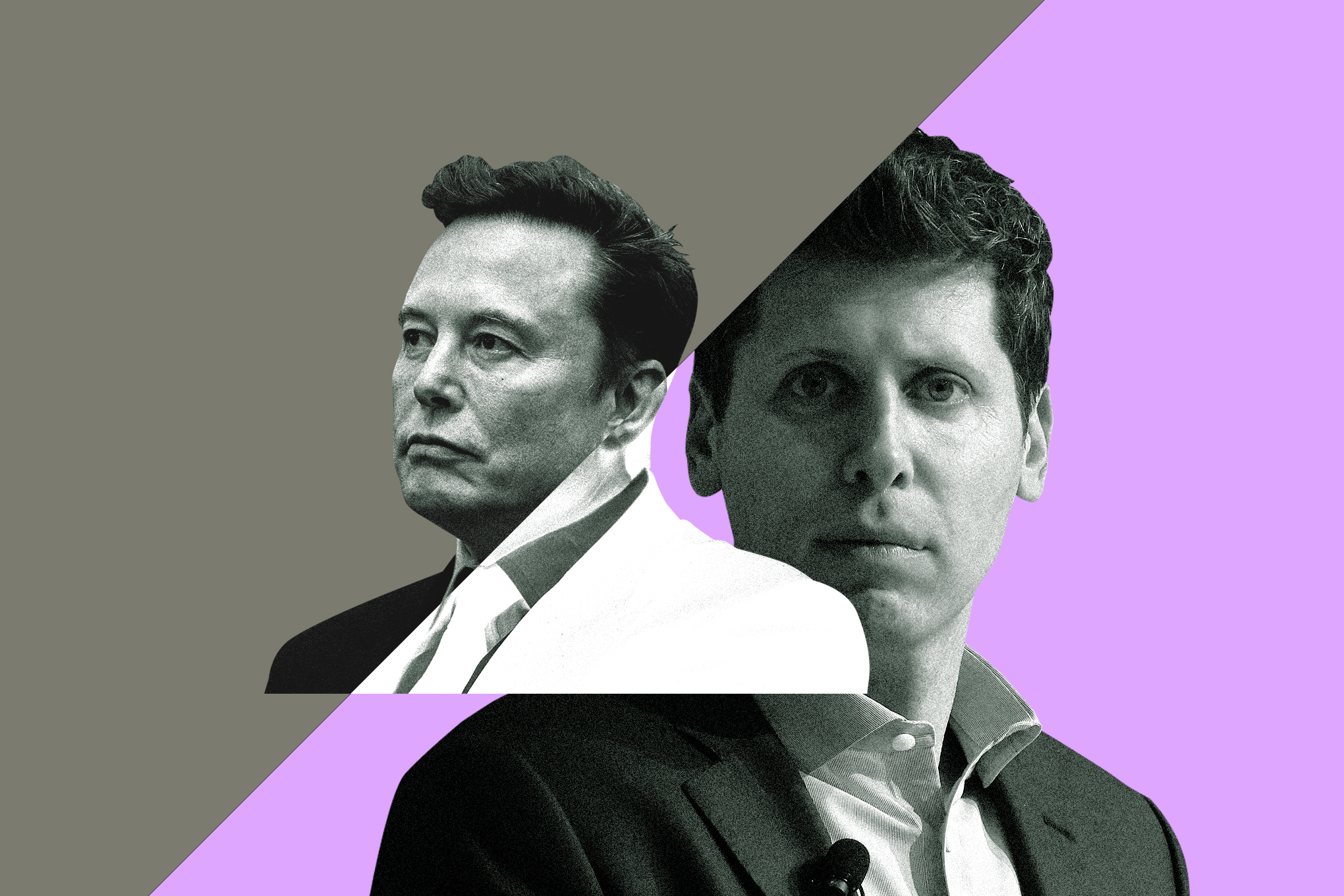
And then there’s the high-profile courtroom drama – Elon Musk vs. OpenAI. The verdict? Musk lost. But the real story isn’t just about who won or lost a lawsuit. It’s a stark reminder of the wild west we’re in. The very mission of OpenAI, once a sacred cow of open-source AI development, is now under intense scrutiny. This trial underscores the tension between the utopian ideals of AI advancement and the relentless drive for profit and power. It’s a messy, human struggle playing out at the bleeding edge of technology.
The Rise of the ‘World Model’
Beyond the headline-grabbing feats, a more subtle but equally significant revolution is brewing in the AI research community: world models. Think of it like this: current AI is like a brilliant librarian who’s only ever read books. It knows facts, it can regurgitate information, it can even write poetry. But it doesn’t truly understand the physical world. It hasn’t felt the sun, it doesn’t know the weight of a ball, it can’t predict how a glass will shatter if dropped.
World models aim to change that. They’re about giving AI a sense of physical intuition, a grasp of cause and effect. Companies like Google DeepMind and Meta’s former Chief AI Scientist Yann LeCun are pushing this frontier. It’s like giving the librarian not just books, but a playground, a workshop, and a kitchen. Suddenly, they don’t just know about gravity; they start to get it.
This isn’t just academic navel-gazing. The implications for practical AI are staggering. Imagine robots that can navigate complex environments without constant human oversight, or AI systems that can truly simulate and predict real-world outcomes with unprecedented accuracy. This is the next layer, the scaffolding upon which more sophisticated AI applications will be built. It’s the difference between an AI that can tell you about a recipe and one that can actually cook.
The Musk Trial: More Than Just a Lawsuit
The Musk v. Altman affair, while seemingly about a broken promise, actually shines a harsh light on the inherent contradictions within the AI development landscape. Musk alleged that OpenAI strayed from its nonprofit roots, becoming too profit-driven and secretive under Altman. The court’s decision, siding with OpenAI, doesn’t erase the fundamental questions raised.
The court has affirmed that OpenAI, as currently structured, is free to pursue its mission and commercialize its technology, which includes its lucrative partnership with Microsoft.
This outcome legitimizes a model where immense power and potential reside within a company that operates with an opaque governance structure, a far cry from the open ideals that initially fueled the AI revolution. It’s a stark signal that the pursuit of AI’s future is increasingly intertwined with immense financial interests, potentially sidelining the broader societal good that many hoped AI would serve.
Is This the Future, or Just Hype?
We’re witnessing AI evolve at a dizzying pace. The leap from advanced chatbots to artificial wombs and courtroom battles over AI’s soul is immense. The concept of world models, while less flashy than a dodo resurrection, might be the true engine of progress – the underlying plumbing that makes future AI advancements possible. It’s akin to the invention of the transistor for the computer age; not glamorous in itself, but utterly foundational.
But let’s be clear: the legal battles and the audacious biological engineering are also vital. They highlight the ethical quandaries, the regulatory vacuum, and the sheer societal impact of this technology. The Musk trial, in particular, serves as a cautionary tale. It’s a reminder that as AI becomes more powerful, the governance and ethical frameworks must evolve just as rapidly. We’re not just building smarter machines; we’re reshaping our world, and the decisions made today—in labs, in courtrooms, and in boardrooms—will echo for generations.
This is a platform shift, an epochal change. We’re not just talking about better tools; we’re talking about AI becoming an architect of reality, a force that will redefine what it means to be intelligent, to create, and even to live. The question is, are we ready for it?
**
🧬 Related Insights
- Read more: AI Bill Due for IP Lawyers: Prove ROI or Watch Budgets Vanish in 2026
- Read more: Originalism’s Got a Rival: Contemporary Meaning That Might Actually Evolve With Us
Frequently Asked Questions**
What are world models in AI?
World models are a type of AI system designed to understand and predict the physical world, giving AI systems a sense of intuition about cause and effect.
Did Elon Musk win his lawsuit against OpenAI?
No, Elon Musk lost his lawsuit against OpenAI.
What is Colossal Biosciences trying to do?
Colossal Biosciences is using advanced biotechnology, including AI, to develop technologies like artificial eggs and potentially resurrect extinct species.