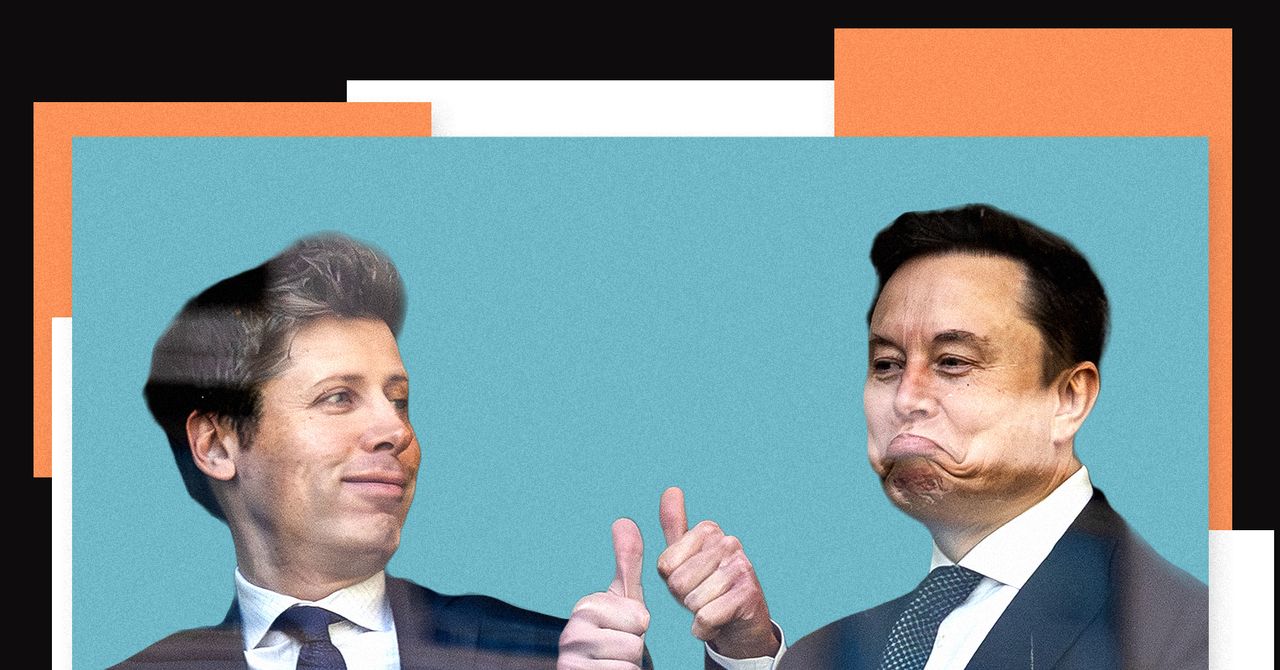
So, Elon Musk thought he could drag Sam Altman and OpenAI into court, accusing them of, what, running a charity like a crooked lemonade stand? He claimed they “stole” the original non-profit ethos for a for-profit AI juggernaut. A noble cause, perhaps, if it weren’t eight years too late to complain.
Nine California jurors looked at his complaints, probably rolled their eyes, and delivered a unanimous verdict: Nope. Not happening. The core issue wasn’t whether Musk felt wronged; it was when he decided to bring his grievances to the court. Turns out, there’s a statute of limitations. Who knew?
Jurors, however, found that any harms that Musk suffered came before the deadline for filing his claims under the law.
This is the kind of thing that makes you wonder about the sheer audacity. Musk, the guy who birthed Tesla and SpaceX, the guy who practically breathes disruption, got tripped up by a deadline. It’s almost poetic. He accuses others of moving too fast, of straying from the path, only to be defeated by his own glacial pace in seeking legal recourse.
What does this mean for the future of AI governance and the Wild West of tech litigation? Frankly, it’s a win for some semblance of order. It tells innovators that while the law might be slow, you can’t afford to be. The legal system, in its own bureaucratic way, can still act as a check, even if that check is simply telling you to get your paperwork in on time.
This isn’t about AI ethics or the soul of a company; it’s about basic procedural rules. Musk’s legal team, presumably paid handsomely, failed to clear the most elementary hurdle. It’s a spectacular face-plant. The narrative of Musk as the righteous crusader against corporate greed in AI? It took a serious hit. Now, he’s just the guy who missed the bus.
And let’s not forget Microsoft’s involvement. They were named, too. They probably just sat back, sipped their coffee, and watched the fireworks. For them, it’s a non-event. For Musk, it’s another public relations headache. The frontier AI lab he helped start is forging ahead, largely unburdened by his historical gripes. Good. Because the world needs AI progress, not petty legal squabbles over ancient history.
It’s easy to get caught up in the drama of these titans clashing. But often, the most significant outcomes are decided not by the weight of the arguments, but by the mundane mechanics of the system. Musk wanted a courtroom battle over ideals; he got a traffic ticket for tardiness.
Why Does the Timing Matter So Much?
Statutes of limitations exist for a reason. They prevent stale claims from resurfacing years later, when evidence is lost, memories fade, and parties have moved on. Imagine trying to defend yourself against an accusation made a decade ago. It’s a nightmare. Jurors are instructed to consider these deadlines. Musk’s legal team apparently didn’t consider them enough when filing. The core allegations—that OpenAI veered from its original mission and became too commercial, especially with Microsoft’s backing—were essentially deemed too old to be judicially actionable. The law provides a window, and Musk’s window slammed shut before he even stepped up to it.
What Happens to OpenAI Now?
For OpenAI, this ruling is a resounding ‘business as usual.’ The verdict removes a significant legal cloud, allowing them to focus on their ambitious AI development without the distraction of a protracted lawsuit. This is especially critical as they continue to deepen their partnership with Microsoft and push the boundaries of generative AI. The market, investors, and competitors will see this as validation that OpenAI, despite its internal complexities and external pressures, can navigate the legal landscape effectively, at least on procedural grounds. The focus remains squarely on innovation and market dominance, unhampered by Musk’s past grievances being aired in court.
This entire affair is a stark reminder that even the most powerful individuals are bound by the same rules. Musk’s public persona often suggests he operates above such pedestrian concerns. This verdict, however, places him squarely back within the bounds of legal precedent. It’s a humbling moment, albeit one he’ll likely spin into a narrative of persecution by a broken system.