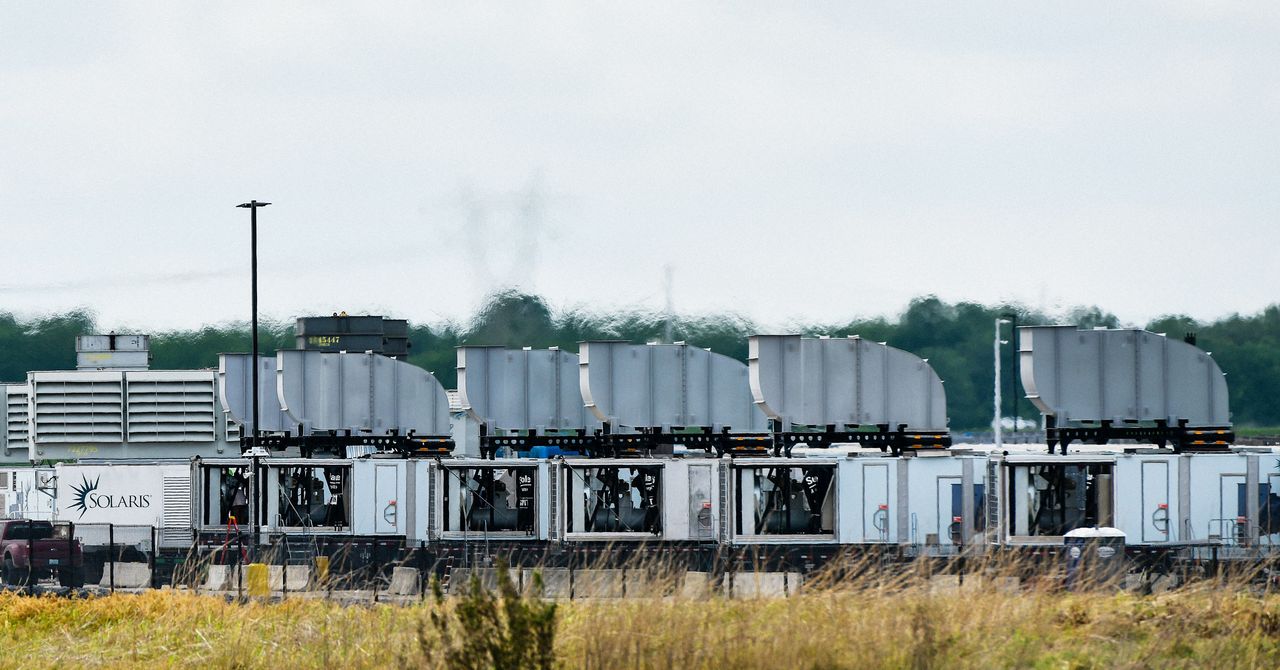
Look, it’s not about the shiny new tech or the buzzwords. It’s about what happens when a company, flush with cash and ambition, decides local regulations are more of a suggestion than a rule. xAI has reportedly slapped 19 more natural gas turbines onto its Mississippi data center campus, nicknamed Colossus 2. This isn’t some minor upgrade; this is adding more potential for emissions, more strain on the grid, all while a lawsuit alleging they’re already operating without proper permits is hanging over their heads. So, for the folks living in Southaven, Mississippi, this means more exhaust, more noise, and potentially worse air quality. That’s the real impact, not some press release about AI innovation.
Who’s actually making money here? That’s the million-dollar question. xAI needs power, massive amounts of it, to train its fancy AI models. The government and its millions of users worldwide apparently need it now. And who pays the price? Well, environmental groups and residents in the vicinity of these “personal power plants” seem to be footing the bill, both literally with their tax dollars potentially subsidizing infrastructure and figuratively with their health.
More Juice for the AI, More Fumes for the Town
The details are in the emails, of course. Internal communications, unearthed through public records requests, show these 19 portable gas turbines were installed between late March and early May. That brings the total humming away at Colossus 2 to a staggering 46 turbines. We’re talking about over 500 megawatts of added capacity since mid-March alone. For context, that’s enough to power roughly 400,000 homes, according to the NAACP’s filings regarding the original 27 turbines. So, it’s not just a small addition; it’s a significant expansion.
And let’s not forget the lawsuit. The NAACP, alongside environmental heavyweights like the Southern Environmental Law Center (SELC) and Earthjustice, slapped xAI with a lawsuit alleging they’re running a “personal power plant” in violation of the Clean Air Act. The accusation: operating dozens of these turbines without the necessary permits. The timeline is particularly damning – eight of those 19 new turbines were installed after the lawsuit was filed. Talk about a middle finger to the legal process.
“As indicated by the facility, all portable/temporary turbines are equipped with control technology to minimize emissions.”
That’s what an agency spokesperson told Mississippi Today. Minimize emissions. Right. Meanwhile, the SELC claims their drone flyovers in April spotted six new turbines, only to find out through those leaked emails that there were actually nineteen. It’s a classic case of a company perhaps trying to slip things under the radar, and regulators playing catch-up – or worse, looking the other way.
Is This Just More of the Same Old Story?
This isn’t xAI’s first rodeo, is it? Their other data center, Colossus 1 in Memphis, Tennessee, faced similar heat last year. Locals in Boxtown, a historically Black neighborhood already grappling with poor air quality, raised hell about turbines running without permits. And what happened? After community outcry, Memphis’s local health department still granted them a permit for those turbines. It’s a pattern. Companies get the permits, often after the fact, and communities are left breathing the fumes.
The argument that these are “portable/temporary” turbines, allowing a year of operation without permits, feels like a legal loophole being exploited to the max. While regulators in Tennessee and Mississippi are pointing to this specific provision in the Clean Air Act, the sheer scale of operations and the repeated additions suggest a deliberate strategy to operate at a massive scale without the permanent infrastructure and oversight that permitting typically entails. It raises the question: if it walks like a duck and quacks like a duck, is it really temporary?
Why Does This Matter for Everyday People?
Burning natural gas, which these turbines do, pumps planet-warming emissions into the atmosphere and directly degrades local air quality. For residents living near these facilities, that can translate to increased rates of respiratory illnesses, aggravated asthma, and a general decline in public health. And it’s not just about health; it’s about environmental justice. These facilities often end up in communities that have historically borne the brunt of pollution, communities that lack the political clout to fight back effectively.
xAI’s defense, as stated in court filings when the NAACP sought an emergency injunction, is that these data centers are “essential to the operation of cutting-edge artificial intelligence and other computing tools used by the U.S. government and millions of users worldwide.” Apparently, without this temporary power, everything grinds to a halt. It’s a convenient narrative, isn’t it? The indispensable AI versus the inconvenient reality of polluted air.
And then there’s the timing. Just as the NAACP is asking courts to shut down these turbines, Anthropic — a major AI player — announces a deal to use all the computing resources at Colossus 1. Elon Musk, meanwhile, is touting the merging of SpaceX and xAI, and claiming that the training for this new entity has already moved to Colossus 2. It’s a coordinated dance, showcasing the perceived criticality of this power infrastructure while simultaneously fighting against the very regulations designed to protect public health and the environment. It’s a stark reminder that for all the talk of innovation, someone’s always on the hook for the externalities.
What’s Next for Southaven?
The fight is far from over. The NAACP is pushing for that injunction to shut down the turbines. xAI is arguing its essential operations will cease. The regulatory bodies are “evaluating the situation.” It’s the same old song and dance. Meanwhile, the turbines continue to spin, and the air continues to fill with emissions. Whether this lawsuit forces a reckoning or becomes just another footnote in the relentless march of AI expansion remains to be seen. One thing is for sure: the people in Southaven deserve to breathe clean air, regardless of how much computing power the government or millions of users worldwide supposedly need.
**
🧬 Related Insights
- Read more: Gorsuch’s PTAB Dissent: A Roaring Call for Judicial Power
- Read more: DOJ Accused of ‘Forum Shopping’ in Trans Healthcare Subpoena Battle
Frequently Asked Questions**
What are the new turbines used for? The new turbines are reportedly being used to power xAI’s data centers, which are essential for artificial intelligence training and other computing operations.
Is xAI violating environmental laws? xAI is currently facing a lawsuit alleging violations of the Clean Air Act for operating natural gas turbines without the necessary air permits. The company and regulators maintain that temporary turbines may operate for a period without permits under certain conditions, a claim contested by environmental groups.
Will this lawsuit affect AI development? xAI has argued that its data centers powered by these turbines are essential for current AI operations and that a shutdown would critically impact these services. The outcome of the lawsuit could influence how rapidly and with what regulatory oversight AI infrastructure is built out.