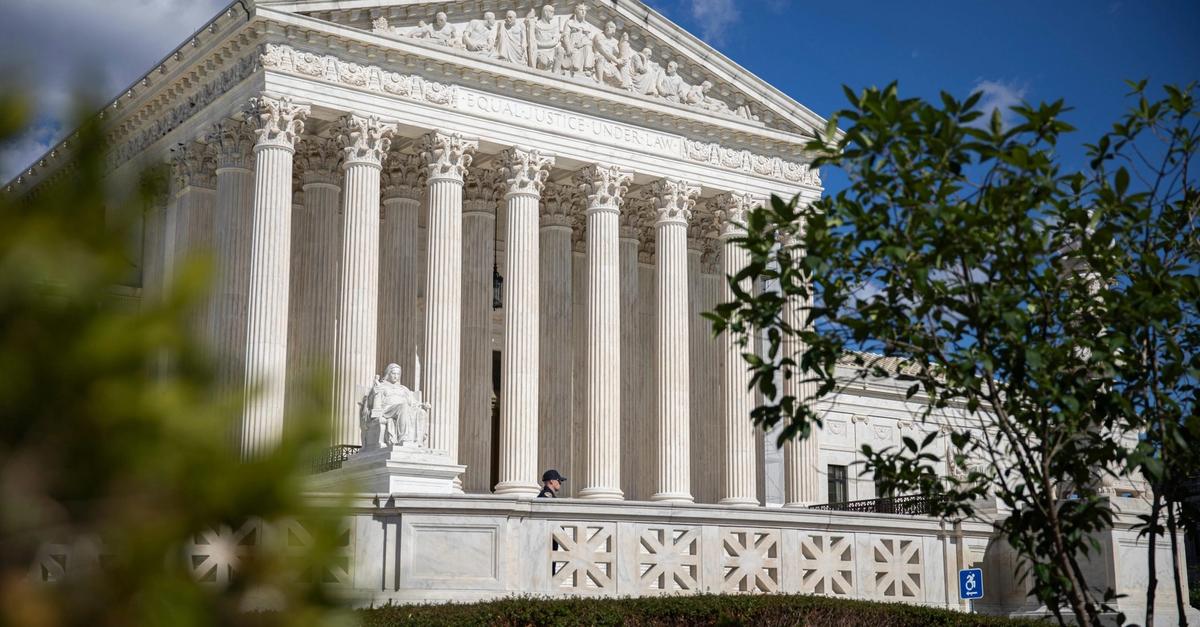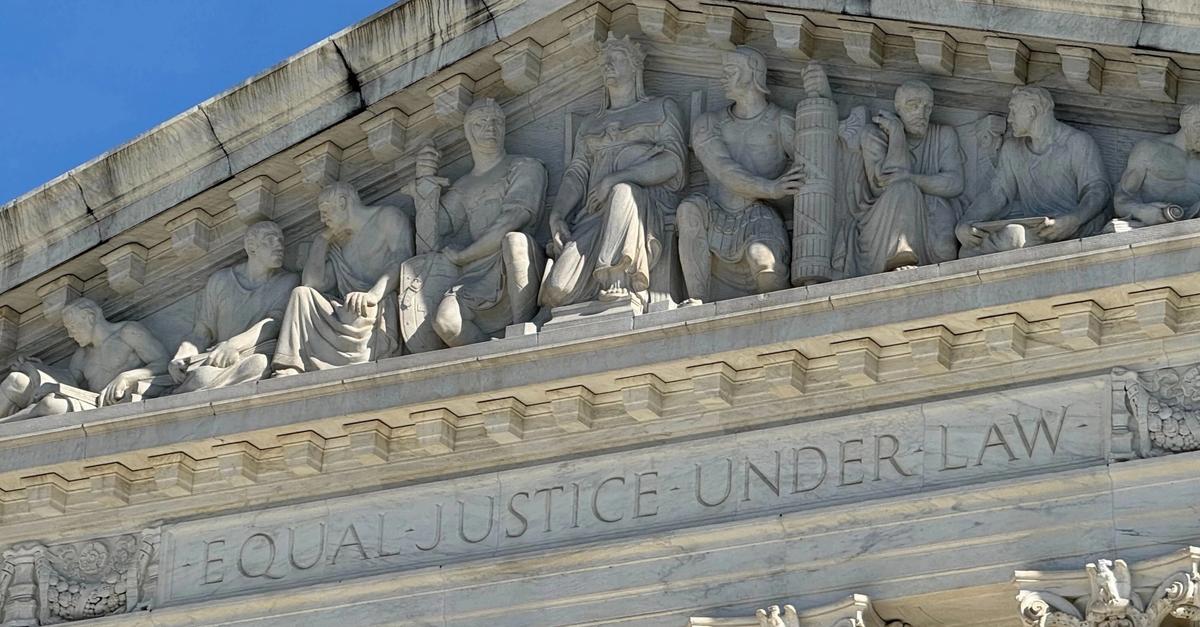
The news hitting legal circles this week isn’t just about a new court decision; it’s about the earth shifting beneath the foundations of American democracy. When the Supreme Court declared Louisiana’s congressional map an unconstitutional racial gerrymander in Louisiana v. Callais, they didn’t just redraw lines on a map. They fundamentally altered the promise of equal representation, essentially shredding the commitment to racial equality embedded in the Voting Rights Act (VRA). For real people, for citizens who rely on their vote to hold power accountable, this is the sound of opportunity shrinking.
A Trilogy of Tears for Voting Rights
Justice Kagan’s dissent painted a stark picture, calling Callais the third act in a tragic play that has systematically dismantled the VRA. She pointed to 2013’s Shelby County v. Holder and 2021’s Brnovich v. DNC as the preceding chapters. But here’s the crucial difference: Callais isn’t just another nail in the coffin; it’s the final, fatal blow.
While many legal scholars wrung their hands over Shelby County and Brnovich, I found their reasoning, at least on paper, defensible. Shelby County, remember, struck down the VRA’s Section 5 preclearance formula. This was the mechanism requiring states with a history of discrimination to get federal approval before changing their voting laws. The court argued the formula was outdated and Congress had failed to update it, despite clear warnings. And frankly, the idea of states needing to ask permission for every new election rule felt like an overreach, a violation of the federalist principles this country was built on. States generally get to enact laws, and if they’re invalid, they can be challenged later. The preclearance requirement was indeed an onerous burden, and its selective application—targeting some states and not others—raised legitimate questions about equal treatment.
Brnovich was an even easier case to stomach for many. It dealt with Arizona’s voting rules, specifically ballot collection restrictions and precinct-based voting. The argument was that these rules disproportionately affected minority voters, violating Section 2 of the VRA. The court essentially said that while discriminatory effects matter, proving discriminatory intent under Section 2 was the higher bar. It was a subtle distinction, perhaps, but one that didn’t necessarily gut the VRA’s core purpose in the way many feared.
The Callais Catastrophe: A New Paradigm of Inaction
Callais, however, is a different beast entirely. It’s not about an outdated formula or the burden of proof for discriminatory intent. This decision directly confronts the VRA’s guarantee of racial equality in elections. The court found Louisiana’s congressional map unconstitutional because it didn’t adequately account for race, essentially saying that you can’t draw districts to consider race to ensure minority representation. This is the equivalent of telling a lifeguard to ignore drowning swimmers because focusing on them might be seen as prioritizing one group over another.
Here’s the unique insight: This isn’t just a procedural whack-a-mole. This is a full-blown ideological assault on the very idea that the VRA was meant to remedy historical racial disenfranchisement. The court’s reasoning in Callais suggests a bizarre interpretation of the Constitution where actively ensuring proportional representation for minority groups is now suspect. It’s as if the goalposts have been moved so far back, the finish line is invisible.
We’re talking about the potential for districts to be drawn in a way that systematically dilutes minority voting power. Imagine a massive puzzle where the pieces are the voters in a state, and the picture you’re trying to create is fair representation. The VRA’s original intent was to ensure that the picture accurately reflected the diversity of the people. Callais seems to be saying that the puzzle-maker can’t even look at the colors of the pieces if those colors represent race. It’s a recipe for a distorted, unfair image.
“The Court’s decision in Callais is not merely a misunderstanding of what the Constitution requires; it is a direct contradiction of the text and purpose of the Voting Rights Act.” - Edward B. Foley
What Does This Mean for the Average Citizen?
This isn’t academic navel-gazing. For the everyday person, particularly in communities that have historically faced barriers to voting, this ruling means their voice could be muffled. It could mean fewer representatives who understand their unique challenges and advocate for their needs. It’s like trying to have a conversation in a crowded room, but the new rules require everyone to whisper their plea. The likelihood of being heard plummets.
Think of the VRA as a powerful, but complex, set of tools designed to build a sturdier democracy. Shelby County removed one of the most powerful tools—the preclearance hammer. Brnovich made it harder to use the diagnostic scanner for subtle discriminatory effects. Callais, however, has outright smashed the blueprint for ensuring equitable representation, leaving lawmakers with the unenviable task of building fair districts without acknowledging the very factor that has historically made them unfair.
This isn’t just about Louisiana. This sets a precedent. It signals a willingness by the highest court in the land to erode protections that have been vital for decades. The long game here appears to be a gradual unraveling of the VRA’s power, leaving minority voters more vulnerable than they have been in generations. It’s a chilling prospect, and one that demands our immediate attention and understanding.
🧬 Related Insights
- Read more: Intelligence Explosion Looms? Experts Divided on Timeline
- Read more: Jones Day Hacked Again: Social Engineering Exposes Elite Law Firm’s Vulnerabilities
Frequently Asked Questions
What does the Supreme Court’s decision in Louisiana v. Callais actually do?
The decision struck down Louisiana’s congressional map, ruling it an unconstitutional racial gerrymander. More significantly, it weakens the Voting Rights Act by making it harder to challenge maps drawn in ways that dilute minority voting power.
How does this compare to the Shelby County decision?
While Shelby County invalidated the VRA’s preclearance formula, Callais is considered more damaging because it directly undermines the VRA’s core commitment to ensuring racial equality in representation and makes it harder to prove discriminatory intent when drawing electoral maps.
Will this decision lead to gerrymandering becoming legal?
No, gerrymandering itself remains a practice. However, this decision makes it significantly harder to challenge gerrymandered maps on the grounds of racial discrimination, potentially allowing maps that disadvantage minority voters to stand.