The air in the Supreme Court’s chambers, usually thick with studied deliberation, felt a bit more electric this week. Not from a new, paradigm-shifting legal theory, but from a procedural sleight of hand that’s going to have tangible, immediate consequences down in Louisiana. The Court, in an unsigned order, has decided to fast-track its finalization of the Louisiana v. Callais opinion. What does that mean, practically speaking? It means the state has been handed a much shorter clock to redraw its congressional map – a map that, let’s be clear, is expected to shift the political balance and likely favor Republicans.
This isn’t just about bureaucratic efficiency; it’s about forcing an outcome. The usual 32-day grace period after a decision, a buffer designed for the losing party to mull an appeal or for the machinery of government to catch up, has been effectively vaporized. The non-African-American voters who challenged the previous map – the one deemed to have diluted minority voting power – practically sprinted to the Court, begging them to bypass the standard timeline. Their argument? Louisiana’s election deadlines are looming, and they needed that breathing room to draw a new map. The Court, by agreeing, has validated their urgency, prioritizing speed over the typical procedural pause.
The Dissenters’ Fire and Fury
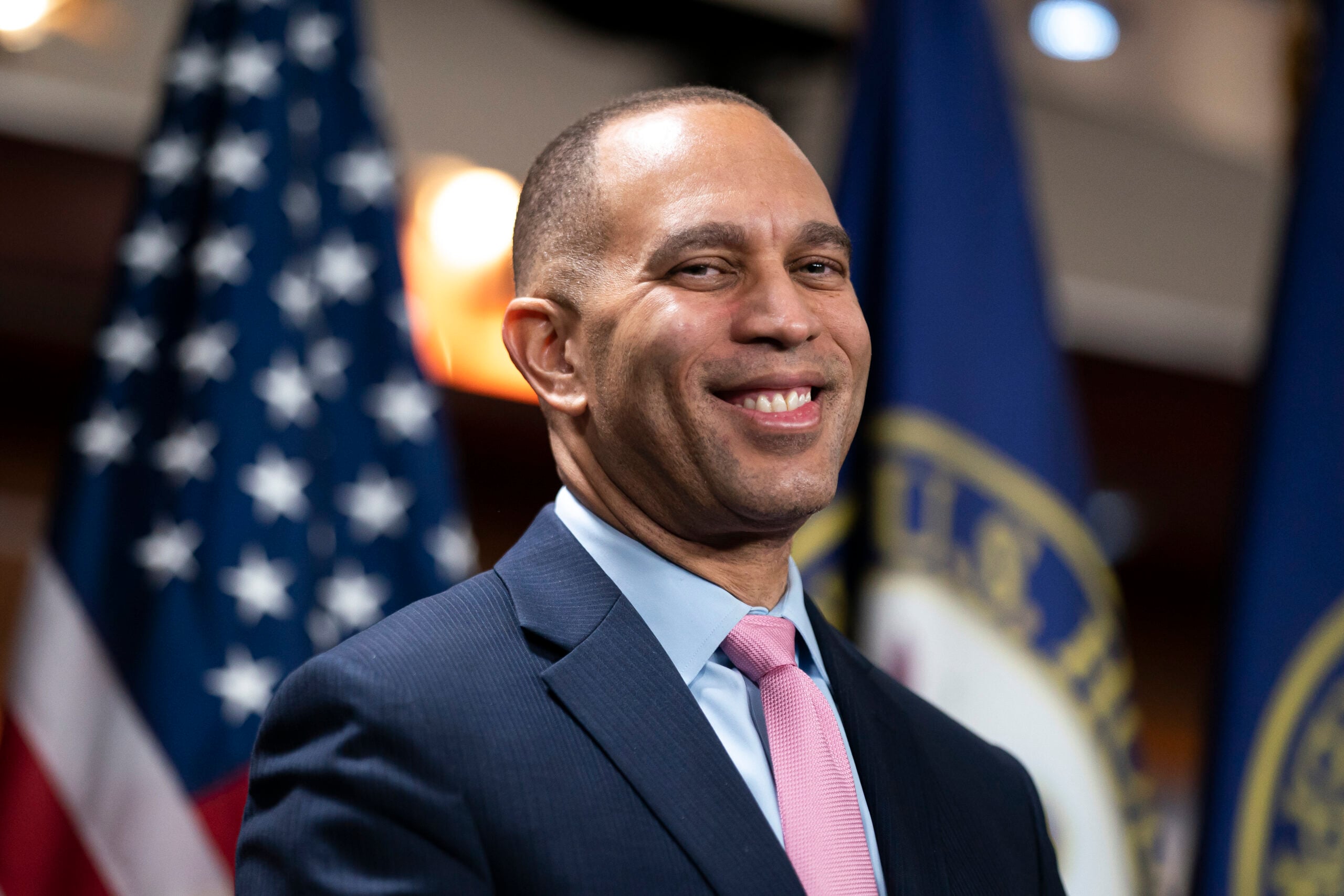
Naturally, this breakneck pace wasn’t met with universal applause. Justice Ketanji Brown Jackson, the lone dissenter, minced no words, arguing that the Court’s ruling “has spawned chaos in the State of Louisiana.” It’s a stark accusation, suggesting that the haste itself is creating instability. And she’s not entirely wrong; when you cut short the deliberative process, especially in something as sensitive as electoral maps, you risk upending established timelines and creating uncertainty. It’s the kind of procedural shortcut that, while perhaps intended to be helpful, can feel like a judicially mandated shove.
But then you have Justice Samuel Alito, joined by Justices Thomas and Gorsuch, firing back with their own brand of sharp critique. They called Jackson’s rhetoric “lacking restraint.” This exchange isn’t just academic sparring; it’s a glimpse into the fundamental disagreements about the Court’s role and its relationship with the immediate, often messy, realities of governance. Alito’s concurrence, in this context, reads as a defense of the majority’s action, framing Jackson’s concerns as overwrought – a predictable dynamic when deep ideological divides meet procedural maneuverings.
The court’s decision drew sharp criticism from Justice Ketanji Brown Jackson, the lone dissenter. Jackson argued that the court’s ruling “has spawned chaos in the State of Louisiana.”
The core of the Louisiana v. Callais case, after all, hinges on Section 2 of the Voting Rights Act – the bedrock principle that bars racial discrimination in voting. The previous map, which the Court struck down 6-3, had created two majority-Black districts. The argument was that even this concession didn’t go far enough to remedy historical disenfranchisement, a subtle but potent legal challenge.
Why Does This Speed Matter for Elections?
The immediate finalization of the opinion is more than just a judicial nicety; it’s a critical factor in Louisiana’s election cycle. The state’s legislative bodies, ostensibly working under the shadow of federal law, now have a much tighter window to craft and approve a new congressional map. This means less time for public comment, less time for political negotiation, and potentially less time for challenges to the new map to even be heard, let alone adjudicated, before the 2026 elections roll around. It’s an accelerant thrown onto an already complex political fire.
This rapid judicial decree bypasses the typical friction of the legal process, pushing Louisiana into a state of mandated political realignment. It’s a subtle but significant shift in how the judiciary is interacting with election administration – moving from setting broad principles to actively, and swiftly, orchestrating the practical steps of map-making. This isn’t just about race or party; it’s about the mechanics of democracy and the speed at which they can be compelled to change by judicial fiat.
The implications stretch beyond Louisiana. When the Supreme Court can, and does, override its own procedural norms for expediency, it sets a precedent. It signals a willingness to prioritize the perceived immediate needs of an election cycle over the traditional, more deliberate, processes that are designed to ensure fairness and public input. This move, cloaked in the language of efficiency, is a powerful statement about the Court’s willingness to intervene directly and decisively in the nuts and bolts of electoral politics.
🧬 Related Insights
- Read more: EU Returns to Watch List: IP Battles Reignite
- Read more: Supreme Court Sharpens Knife on Gun Control’s Who, What, Where
Frequently Asked Questions
What does the Supreme Court’s decision in Louisiana v. Callais mean for the state?
It means Louisiana must redraw its congressional map immediately to comply with the Voting Rights Act, impacting the upcoming 2026 elections and potentially shifting the state’s political balance.
Why did the Supreme Court expedite its ruling?
The Court granted a request to finalize its opinion quickly so Louisiana would have enough time to draw a new congressional map for the 2026 elections, avoiding election disruptions.