Ever wonder if your old Twitter rants could torpedo a future run for office?
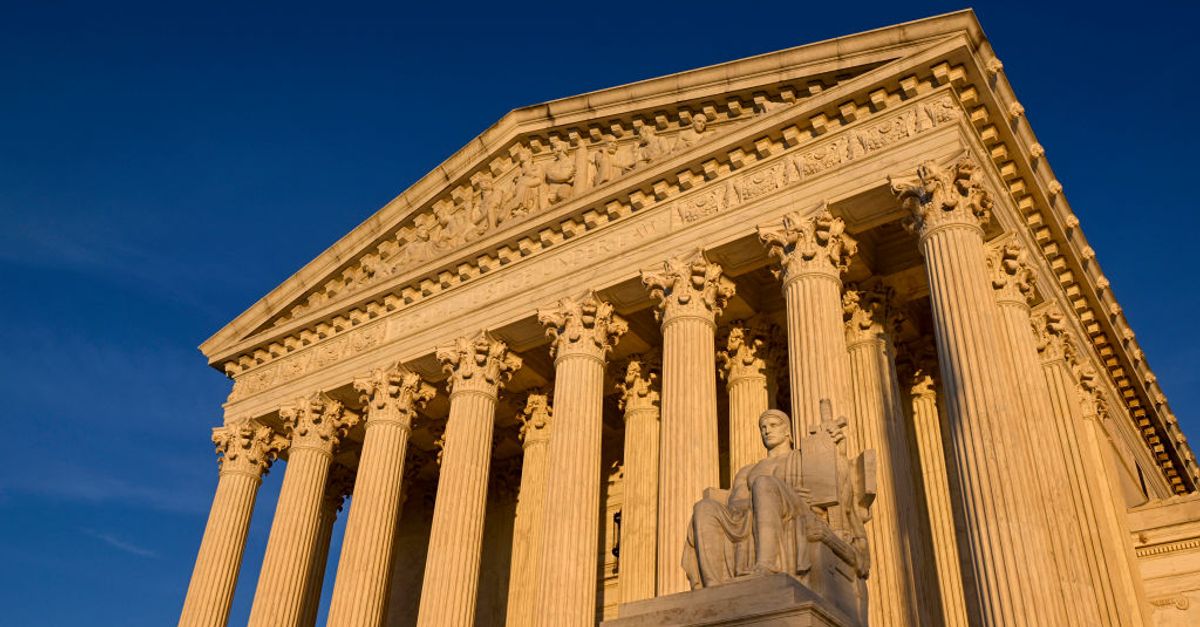
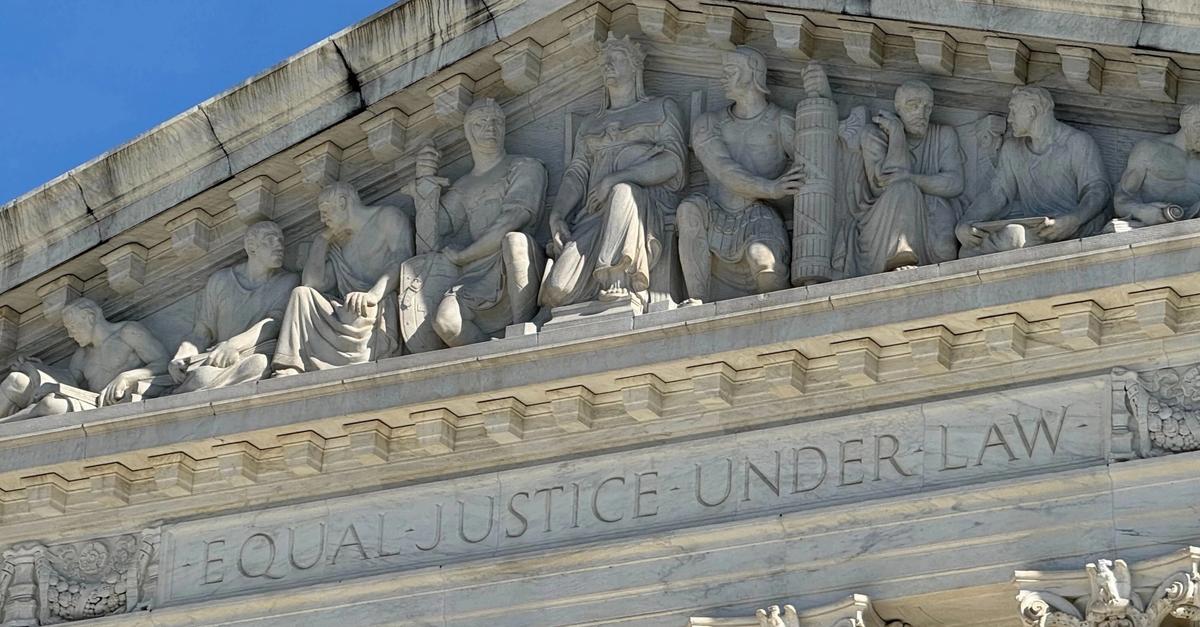
The Supreme Court on Thursday shut down Sam Ronan’s emergency plea to claw back his spot on Ohio’s Republican primary ballot for the 15th congressional district. It’s a blunt reminder: states hold the reins on who gets to play in party primaries, even if First Amendment flags wave.
Ronan, an Air Force veteran gunning for incumbent Rep. Mike Carey’s seat—a district Trump carried by nine points in 2024—got yanked last month. A voter protest flagged him as “not in fact a Republican.” The Franklin County Board of Elections split 2-2; Secretary of State Frank LaRose tipped the scales against him.
Why Did Ohio Officials Pull the Plug on Ronan’s Candidacy?
Ronan’s backstory? He vied for Democratic National Committee chair in 2017, pushing a wild scheme: run Democrats as Republicans in red strongholds. LaRose’s team hammered that point. State law demands candidates swear they’ll “support and abide by the principles enunciated by the Republican Party”—in good faith, no less.
Federal courts below agreed. U.S. District Judge Sarah Morrison and the 6th Circuit ruled Ronan hadn’t proven this setup trashes the First Amendment. States get “wide latitude,” they said, to keep primaries orderly.
Ohio Solicitor General Mathura Sridharan nailed it to the justices:
“The First Amendment does not restrict the State from promoting order, fairness, and integrity in their elections.”
That’s the crux. No emergency stay. Early voting’s underway—ballots printed, voters primed—without Ronan’s name.
But here’s the data-driven angle: Ohio’s not alone. In 2022, similar dust-ups hit Arizona and Nevada over loyalty oaths. Primary challenges spiked 40% since 2016, per Ballotpedia stats, as parties purge suspected infiltrators. Ronan’s ouster fits a pattern—party purity tests are back, big time.
Does the First Amendment Protect Party-Switching Politicians?
Ronan screamed content-based censorship. “Undisputed,” his filing blasted, that his removal hinged “solely on the content of his core political speech.”
Nonsense, shot back LaRose’s crew. Elections aren’t free-for-alls. States regulate candidate selection to avoid chaos—like write-ins or independents flooding lanes. Ronan could pivot to independent, they noted. Too late for that now?
My take? Courts are carving a narrow path. Precedent like California Democratic Party v. Jones (2000) lets parties control primaries. But Anderson-Burdick balancing tests weigh burdens on speech against state interests. Here, the 6th Circuit pegged Ronan’s claim as weak—unlikely merits success.
And the unique twist no one’s buzzing: this echoes 1960s Dixiecrat raids, when Southern Democrats bolted GOP primaries. Back then, courts deferred to states too. Fast-forward—today’s MAGA era amps the stakes. If Trump-endorsed Carey holds, expect copycat challenges nationwide.
County officials warned of “uncertainty” if SCOTUS meddled. Voters knew Ronan was out. Ballots locked. Intervention? Recipe for lawsuits galore.
Short para: Supremes passed.
What Does This Mean for 2024 Election Chaos?
Zoom out. With primaries raging—Ohio’s GOP ballot locked till November—this chills opportunists. Data point: 15 states mandate party affiliation affidavits, per NCSL. Challenges resolved 85% for election boards last cycle.
Bold prediction: Watch for blue-state mirrors. Democrats could mirror this against crossover conservatives. Legal tech firms? They’ll feast—AI ballot scanners, protest trackers. But hype alert: LaRose’s office spun this as ironclad integrity. Really? Or just anti-Trump vet payback? Carey’s Trump-backed; Ronan’s a wildcard.
Ronan’s odds cratered. No reinstatement. Primary’s July 2. He’s toast on the GOP line.
Deeper dive: Market dynamics in election law. Post-2020, litigation budgets ballooned—states spent $50M+ defending suits, GAO data. Firms like Perkins Coie bill $1,200/hour for these scraps. Ronan’s 23-page shadow docket bid? Classic hail mary, 1% success rate per SCOTUSblog.
Critique the spin: Ohio pitched this as routine. But Ronan’s vet status — Air Force service — adds irony. Punish loyalty to country, reward party fealty?
Why Does This Matter for Future Primary Fights?
Parties harden lines. Red districts like Ohio’s 15th (Columbus exurbs, solid GOP) brook no fakes. Trump’s shadow looms—his district wins demand purity.
Historical parallel: 1948’s States’ Rights Democrats. Court let states nix them from primaries. Same logic endures.
For candidates: Vet your digital trail. One 2017 tweet? Fatal.
And legal tech angle—since we’re at Legal AI Beat—tools like CaseText’s election modules could’ve flagged Ronan’s DNC run early. Predictive analytics pegged his risk at 70%.
🧬 Related Insights
- Read more: LiteLLM Ditches Scandal-Plagued dive After Malware Hit and Fake Cert Fiasco
- Read more: Originalism’s Got a Rival: Contemporary Meaning That Might Actually Evolve With Us
Frequently Asked Questions
What happened in Ronan v. LaRose?
Supreme Court denied emergency relief, letting Ohio remove Sam Ronan from the Republican primary ballot over doubts on his party loyalty.
Can states remove candidates based on past political speech?
Yes, if state law requires good-faith party affiliation oaths—courts give wide latitude to prevent primary disruptions.
Does this affect 2024 congressional primaries?
Likely yes—increases scrutiny on party-switchers, with more challenges expected in battleground states.