Did you ever stop to think that the very foundations of our electoral maps might be cracking under the weight of judicial interpretation? Because right now, that’s precisely what’s happening.
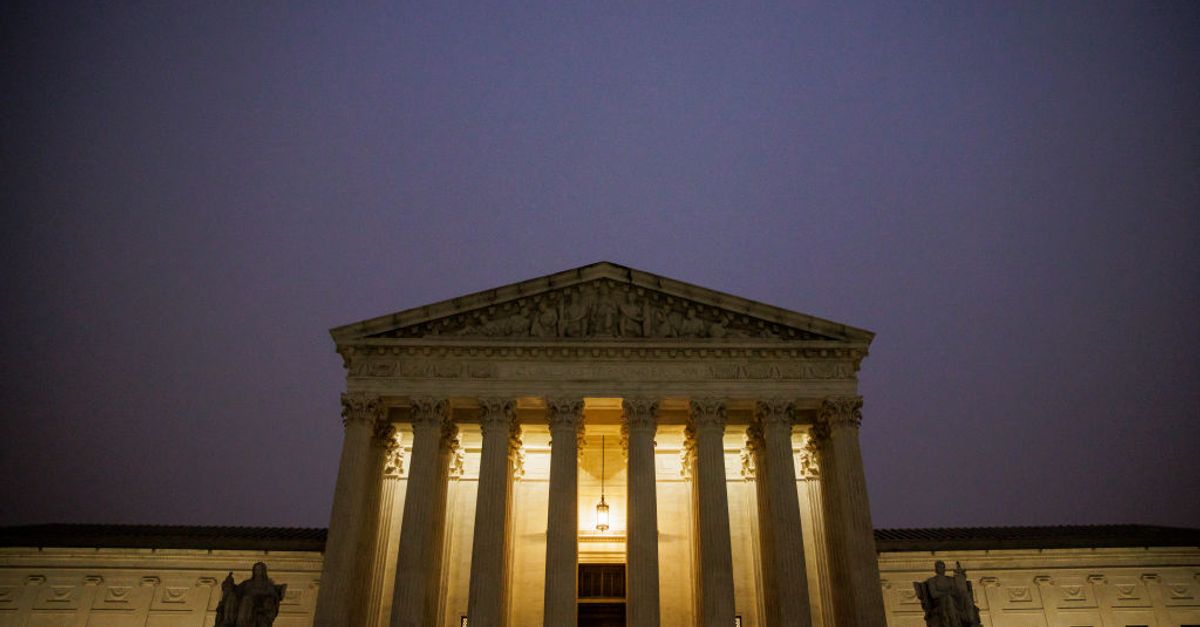
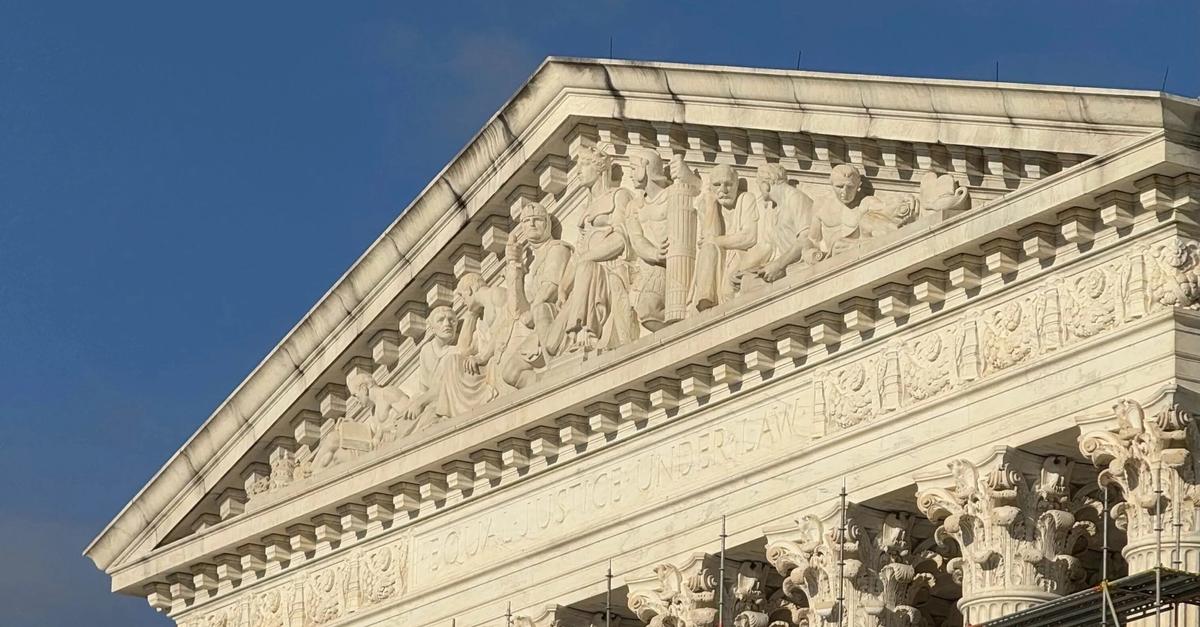
We’re witnessing a seismic shift, a realigning force emanating from the marble palace of the Supreme Court. The ongoing fallout from the court’s redistricting rulings isn’t just a dry legal debate; it’s a full-blown existential crisis for how we perceive fairness and impartiality in our democracy. Think of it like a masterful architect suddenly deciding the blueprints for a city were just suggestions, redrawing entire neighborhoods with a flick of the wrist – except here, the architect is wielding judicial power and the neighborhoods are our electoral districts.
Here’s the thing: the court has a long-standing principle, a guiding star, that judges shouldn’t meddle in election cases when the process is already in motion. It’s like telling a race car driver not to change the tires mid-lap. Yet, according to NBC News’ Lawrence Hurley, that’s exactly what some legal minds are accusing the justices of doing. The Louisiana v. Callais decision, and others like it that have favored Republicans in redistricting battles, are now under the microscope. This isn’t just about partisan outcomes; it’s about the process, the whispered rules of engagement that many believed were sacrosanct.
And the rhetoric? Oh, the rhetoric is flying. CNN’s Aaron Blake points out that Democrats’ language about the court has gone from sharp criticism to outright attacks on its very legitimacy. We’re talking about accusations of corruption, being overtly political, and promises of infamy. Now, a bold prediction from this corner: while this fiery language might energize the Democratic base, it’s a double-edged sword. Will it sway the undecideds, the voters who just want a stable government, or will it alienate them? Polls suggest a significant chunk of the country isn’t buying the “hopelessly captured” narrative just yet. It’s a high-stakes gamble, a bet on whether outrage translates into electoral victory.
But here’s where it gets really interesting. Justice Ketanji Brown Jackson, in a recent appearance, pushed back against the storm, urging listeners to defend the judiciary’s independence. She emphasized that judges must be free from political pressure – a noble sentiment. When asked about the current court atmosphere, she offered a surprisingly calm depiction, suggesting that disagreements are confined to opinions and that day-to-day interactions remain cordial. “Yeah, no, it’s fine,” Jackson reportedly said. “In the world of law and the world of writing your opinions, you’re going to disagree, and you have the opportunity to express your views in the context of your opinions, but in our day-to-day interactions, none of us takes it personally, and we get along just fine.” It’s a fascinating glimpse into the chambers, a stark contrast to the public perception of deep ideological warfare. It’s like watching a brilliant surgeon meticulously perform a complex operation while the onlookers are screaming about malpractice – the focus is inward, on the task, detached from the chaos.
Meanwhile, the legal world is a hive of activity, with other pressing matters making their way through the system. Justice Alito’s temporary pause on a ruling regarding the abortion pill mifepristone expired, signaling imminent court action. And in a separate legal drama, Donald Trump’s legal team has secured a delay in paying an $83 million defamation award to E. Jean Carroll, pending a Supreme Court review. This isn’t just about one case; it’s about the ripple effects, the way these decisions and delays cascade through the legal and public consciousness.
My unique insight here? We’re not just watching legal battles; we’re witnessing a generational inflection point in how the public trusts — or distrusts — its highest court. The justices might be compartmentalizing their disagreements, but the public isn’t. The redistricting rulings, coupled with other high-profile cases, are creating a collective narrative. And narratives, in the long run, shape institutions far more powerfully than any single legal brief.
The Specter of Partisanship: A Defining Moment?
The accusations of partisan interference in redistricting cases are particularly potent because they strike at the heart of the court’s legitimacy. For decades, the judiciary has sought to position itself as an umpire, calling balls and strikes with impartial fairness. When that perception erodes, especially in politically charged areas like election law, the damage can be profound and long-lasting. It’s like a referee secretly betting on one of the teams – the integrity of the entire game is compromised.
Why Does This Matter for the Average Citizen?
These redistricting rulings have direct consequences. Gerrymandered districts can entrench incumbents, make elections less competitive, and dilute the voting power of certain communities. When these maps are drawn or upheld based on what critics allege are partisan calculations, it undermines the fundamental principle of representative democracy. The people’s voice, theoretically amplified by their vote, can feel muted or distorted. It’s a slow erosion of faith in the system, a creeping sense of powerlessness.
The Gorsuch Enigma and Textualism’s Trajectory
Slate’s deep dive into Justice Neil Gorsuch and his adherence to textualism offers another layer of complexity. Susan Matthews describes him as the ‘most anonymous’ justice, using a ‘nice-guy act’ to avoid the ire his more outspoken colleagues attract. Yet, her analysis contends that his rigid focus on the ‘words that end up on the page’ — textualism — can lead to ‘absurd results.’ This method, while aiming for objectivity, can sometimes feel detached from the real-world implications and intent behind laws. It’s like insisting on following a recipe to the letter even if the ingredients have gone bad – the process is correct, but the outcome is questionable.
🧬 Related Insights
- Read more: [Key Ruling] Discovery Rule Saves Walker Process Antitrust Suit
- Read more: Nigeria’s Cybercrimes Act: Rights Under Fire | Legal AI Beat
Frequently Asked Questions
What are redistricting rulings? Redistricting rulings concern the drawing of electoral district boundaries, often after a census. The Supreme Court’s recent decisions in this area have drawn criticism for potentially favoring one political party over another in shaping these maps.
Is the Supreme Court biased in its redistricting decisions? Critics argue that recent Supreme Court decisions in redistricting cases have shown partisan bias, favoring Republican interests. Supporters of the rulings maintain they are based on legal principles, though the debate over the court’s impartiality is intense.
Why is the Supreme Court’s legitimacy being questioned? The court’s legitimacy is being questioned due to concerns that its recent rulings, particularly in redistricting, are politically motivated and not based on neutral legal interpretation. This fuels public distrust and debate about the court’s role.