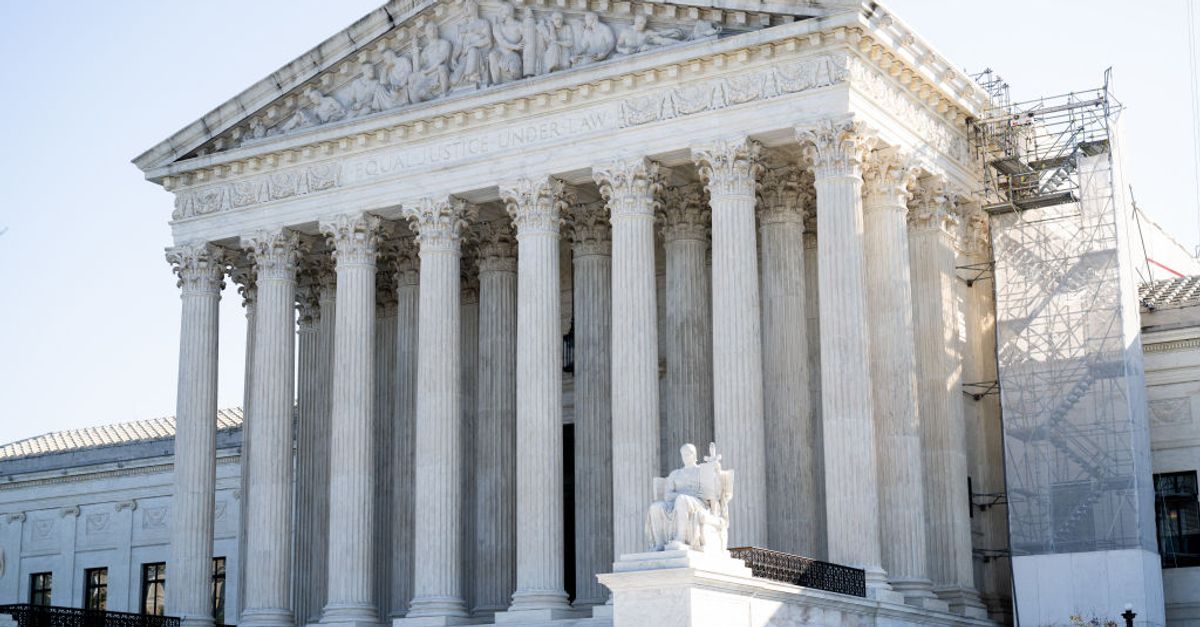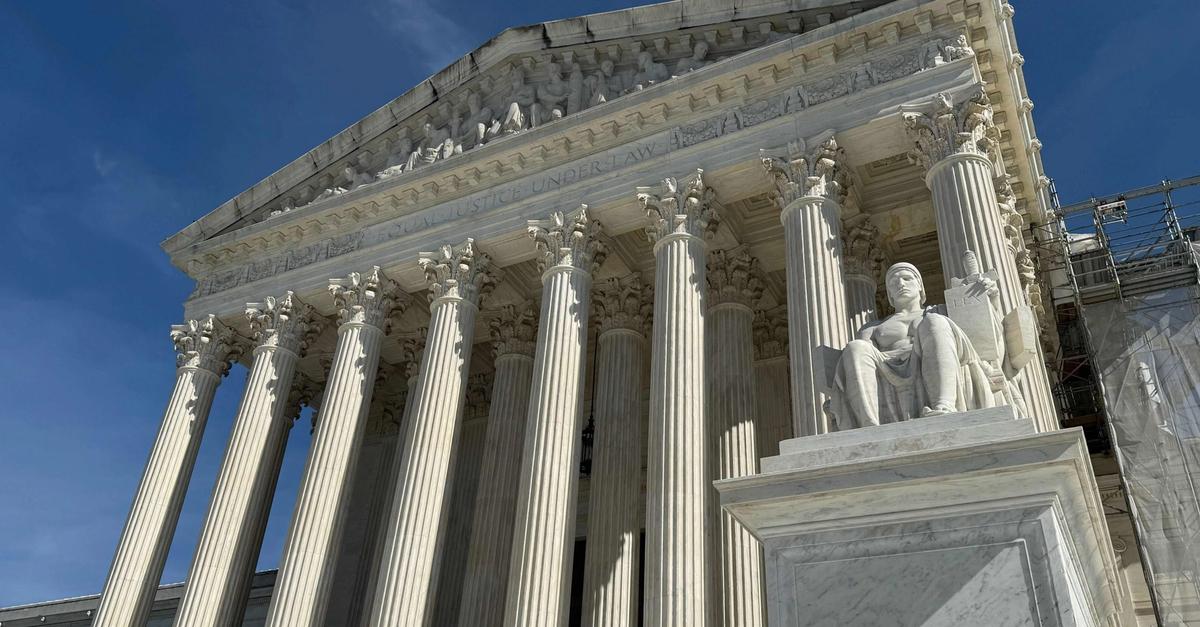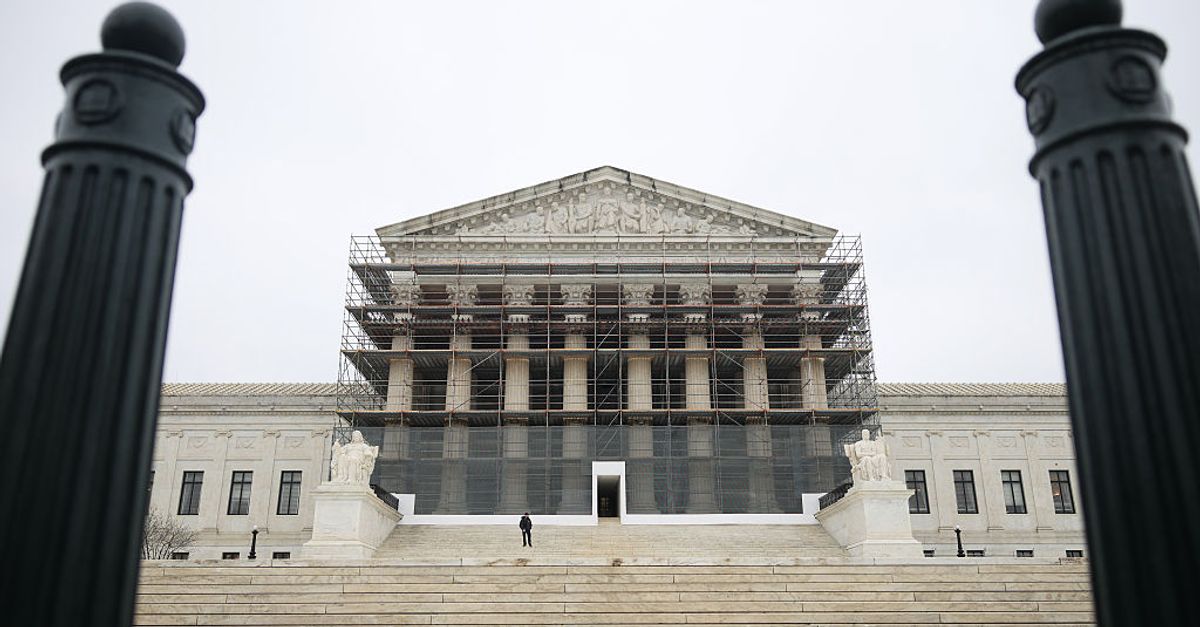
Look, for the actual people living in Louisiana, this isn’t just another dry Supreme Court opinion about voting maps. This is about who gets to represent them in Congress, and whether their vote actually counts. The court dropped a bomb, saying the current map is likely unconstitutional, and now the state’s political bigwigs are scrambling, not to fix things, but to figure out how they can best exploit the situation before the next election.
And naturally, the vultures are circling. The group that won the Supreme Court case—ironically described as “non-African American” voters—wants the court to just rubber-stamp the decision and send it down immediately. Their reasoning? The Louisiana Legislature is already thinking about pushing back primary deadlines to get a shiny new map drawn. Thirty-two days, they argue, could be the difference between a map that matters and one that just causes more headaches.
Who’s making money here?
Louisiana, bless its heart, confirmed it will postpone those primaries. Governor Jeff Landry, clearly enjoying the spotlight, issued an executive order urging the legislature to get a constitutional map and new election dates in place ASAP. He even declared an emergency, because, you know, electing people under an unconstitutional map is apparently an affront to the very fabric of the nation. He’s got the right governor for the job.
But don’t mistake this for altruism. The real play here is likely a Republican-friendly map. The GOP already holds a comfortable majority in the state’s congressional delegation, and a revised map could snag them even more seats. It’s textbook gerrymandering, just with a slightly more judicial sheen this time around.
Meanwhile, the Black voters who were defending the map (and, you know, actually trying to ensure representation) are screaming bloody murder. They want the court to deny the speed-up request. Why? Because they want their own shot at a rehearing. They want the normal process. And honestly, they’re probably right. This isn’t a race to the finish line for justice; it’s a strategic maneuver.
Here’s the thing about this whole expedited process business. The Black voters are not just asking for the brakes to be applied; they’re asking for the whole train to be stopped until after the 2026 election. They’re pointing out the obvious: mail-in ballots have already gone out. People have likely cast votes. Uprooting the whole thing now, right before an election, is pure chaos. And chaos, as we all know, is often the best friend of those who stand to gain the most from a messy situation.
The lower federal court in Louisiana, bless its procedural heart, is sticking to the script. It’s letting everyone know the order blocking the old map is still in effect. The state has three days after getting the official word from SCOTUS to outline its compliance plan. Three days. It’s a stark reminder that even in the face of a landmark ruling, the bureaucratic wheels of justice can turn with agonizing slowness, or, when pushed, with alarming speed, depending on who’s doing the pushing.
This whole kerfuffle reminds me of the early 2000s, when every new tech company promised to revolutionize—you guessed it—everything. Now, instead of revolutionary apps, we’ve got revolutionary legal processes. The players are the same: lawyers, politicians, and opportunistic suits looking to capitalize on a ruling. The only difference is the venue. Instead of Silicon Valley boardrooms, it’s the hallowed halls of the Supreme Court.
So, while the lawyers and politicians are busy with their expedited requests and emergency declarations, spare a thought for the actual voters. Their voices are being amplified, yes, but also manipulated. The question isn’t whether Louisiana will get a new map; it’s who will benefit most from the timing of that new map. And I’m willing to bet it won’t be the average citizen just trying to send their representative to Washington.
A Contested Timeline
The core of the dispute revolves around the standard 32-day waiting period after a Supreme Court decision is issued before it becomes final. The plaintiffs who challenged Louisiana’s congressional map are pushing to bypass this waiting period, arguing that the state legislature’s willingness to redraw the map makes immediate finalization crucial. They’ve signaled that delays could complicate the process significantly, especially if the state plans to adjust primary election deadlines to accommodate a new map.
Political Maneuvering or Procedural Necessity?
Louisiana’s government, however, seems to be playing a different game. While confirming the postponement of primary elections, they haven’t explicitly endorsed the request to fast-track the Supreme Court’s mandate. Instead, they’ve indicated that discussions with the legislature are underway to produce a new, compliant map. This suggests that the state believes it can navigate the map-redrawing process without the Supreme Court’s judgment being issued prematurely. The implication? They might be more concerned with crafting a favorable map than adhering to a potentially inconvenient timeline.
The Opposition’s Plea
The Black voters who were defending the original map are urging the Supreme Court to maintain its standard procedures. Their primary concern is the opportunity to seek a rehearing, a standard legal recourse. Furthermore, they’re advocating for a hold on the judgment’s issuance until after the 2026 elections, citing the advanced stage of the election cycle, with overseas ballots already in circulation. This highlights the potential for electoral disruption and the desire to avoid a last-minute map change that could disenfranchise voters.
“The court should not only deny the ‘non-African American’ voters’ request, but it should in fact put the issuance of its judgment on hold ‘until after the 2026 election.’”
The District Court’s Stance
Even the federal district court in Louisiana is weighing in, emphasizing that its prior order barring the use of the unconstitutional map remains in effect. It has directed the state to submit a brief detailing its plan for compliance within three days of receiving the Supreme Court’s decision and judgment. This sets a tight deadline for the state to outline its strategy for enacting a constitutionally sound map, regardless of the Supreme Court’s internal timeline disputes.
FAQ
What does the Supreme Court’s ruling on Louisiana’s congressional map mean?
The Supreme Court found that Louisiana’s current congressional map likely violates the Voting Rights Act, meaning it may not provide adequate representation for minority voters. The court’s decision requires the state to redraw the map to comply with the Constitution.
Will the congressional elections in Louisiana be delayed?
Louisiana has confirmed it will postpone its primary elections for Congress. The exact new dates and the timeline for drawing and approving a new congressional map are still being determined amidst legal disputes over the Supreme Court’s decision finalization.
Who is pushing to speed up the Supreme Court’s decision?
The group of “non-African American” voters who initially challenged the map are pushing for the Supreme Court to bypass its standard 32-day waiting period and finalize its decision immediately. They argue this will allow the state legislature more time to redraw the map before upcoming elections.