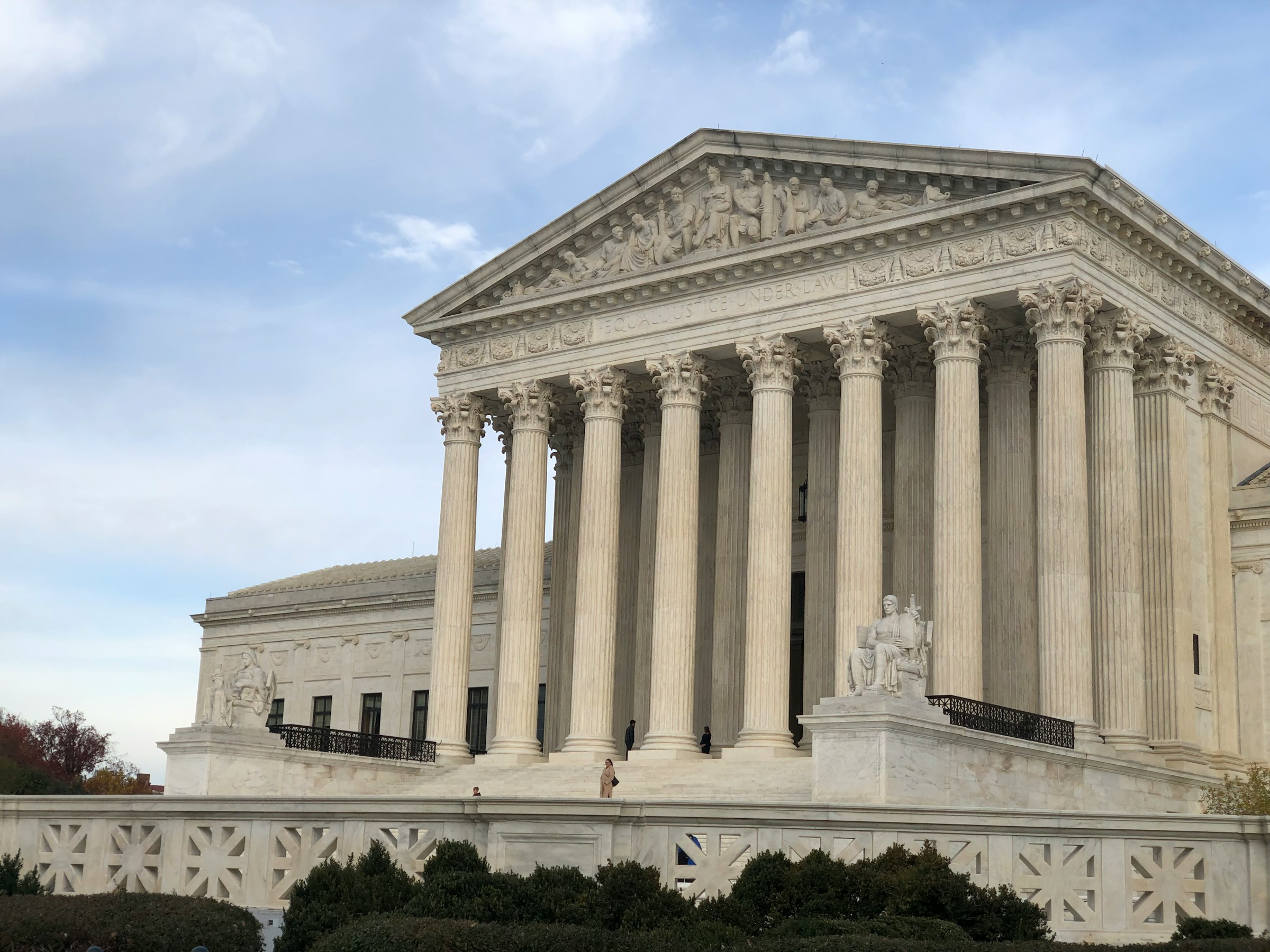
The air in the Supreme Court was thick with argument. Not about weeds, but about power. Specifically, which court gets to decide the fate of tens of thousands of Roundup cancer claims.
Monsanto wants the feds to rule. A Missouri jury already disagreed. Now the highest court must decide if a state jury’s $1.25 million verdict stands, or if federal pesticide labeling laws trump all.
This isn’t just about a single gardener. We’re talking billions. Over 60,000 cases nationwide. And a $7.25 billion settlement dangling precariously. Plaintiffs have a June 4 deadline to accept it. Before the Supreme Court even whispers its decision.
Talk about a gamble. Accept the deal now, and risk far less if the Court sides with Monsanto. Wait, and the whole thing could crumble.
The whole mess highlights the messy reality of mass litigation. It’s a bifurcated beast. Prowling both state and federal courts.
Federal actions? They’re shunted into Multi-District Litigations, or MDLs. A bureaucratic workaround. Because actual federal class actions are practically impossible these days. The Supreme Court’s rigid “commonality” demands are killer. For cases where individual illnesses matter.
So, these MDLs herd similar cases before one federal judge. Judge Vince Chhabria, in this instance. The goal? A tidy, centralized settlement. Over 97% of them do settle. Despite the law saying cases should eventually go back to their original courts. For actual trials.
Then you have the state court play. This Missouri case? It’s a “settlement class action.” Filed with one purpose: to settle. Fast. Using class action efficiencies. They’re designed for resolution, not pretrial wrangling.
This particular settlement? It’s causing a stir. Objectors cry foul. Too much for lawyers. Too little for the actual sufferers. And the kicker: lawyers with over 25 clients who don’t take the deal forfeit their fees. How’s that for putting the squeeze on?
It forces lawyers to push their own clients. To accept the offer. Unseemly is an understatement.
And that June 4 deadline? Before the Supreme Court’s ruling? It’s pure strategy. Forcing decisions in a vacuum. Monsanto wins if the Court sides with preemption. The plaintiffs’ use? Gone.
This entire kerfuffle casts a spotlight on a deeper battle. Judicial power. Over mass harms. Does a Missouri court, for instance, truly have the authority to bind litigants nationwide? Even those who haven’t filed a claim yet?
Modern class action doctrine rests on representation and consent. A justification for these sprawling actions. Named plaintiffs and their lawyers supposedly look out for everyone. Even the distant souls.
But that’s where the real fight lies. Who truly represents whom? And for what ultimate gain? It’s a legal shell game.
This isn’t the first time courts have butted heads. We saw it with opioids. With asbestos. Each time, it’s a scramble for control. For jurisdiction. For the financial spoils.
And the precedent set here? It will echo. Loudly. In every mass tort case to come.
Let’s call a spade a spade. This is about more than just Roundup. It’s about the fundamental structure of justice when large numbers of people are harmed. Who gets to define the terms? Who collects the fees? And who, ultimately, gets compensated? The courts are still fighting over the playbook. And the plaintiffs are caught in the crossfire.
The Roundup Preemption Question
But let’s circle back to that preemption question. It’s the legal heart of the matter. Monsanto argues that the EPA’s decision not to require a cancer warning on Roundup labels preempts state-law claims that do demand such a warning. The argument is this: if the federal agency, tasked with evaluating pesticide safety, says a warning isn’t necessary, then state courts can’t impose one.
It’s a classic administrative deference play. The Supreme Court has grappled with this before. Does a federal agency’s silence equal approval? Or does it simply mean they haven’t acted? The nuance here is critical. It dictates whether states can impose their own safety standards, or if they’re bound by federal minimalism.
This specific aspect is where things get truly thorny. It’s not just about jury verdicts; it’s about the very scope of regulatory power. And how much deference federal courts should give to agency inaction.
Judicial Power Grab
The clash between the Missouri settlement class action and the federal MDL is a microcosm of a larger trend. Courts are vying for dominance in mass tort litigation. The MDL system, while designed for efficiency, often becomes a settlement machine. State courts, meanwhile, can offer different avenues for plaintiffs, sometimes with more generous outcomes—or so the theory goes.
But when a state court attempts to certify a nationwide settlement class, as in Missouri, it raises serious jurisdictional questions. Can a state court effectively bind individuals who have no connection to that state? The Supreme Court’s skepticism towards such broad assertions of power is well-documented. The Due Process Clause and principles of interstate comity are at stake.
The criticism that the Missouri settlement disproportionately benefits lawyers over claimants isn’t new. It’s a persistent indictment of the mass tort system. When settlement deadlines are set in stone, divorced from key judicial decisions, it’s a red flag. It suggests the primary goal is closure, not necessarily justice for all.
This case serves as a stark reminder that the legal system, particularly concerning mass harms, is a constant negotiation. A push and pull between different forums, different rules, and different visions of fairness. The outcome of the Roundup case will undoubtedly shape how these negotiations play out for years to come.
Why Does the Roundup Case Matter So Much?
Because it’s not just about glyphosate. It’s about the future of mass litigation. It forces a confrontation between state and federal court systems. Each trying to assert control over huge numbers of plaintiffs.
The pressure to settle, especially with arbitrary deadlines, distorts the process. It benefits those who can orchestrate quick deals, not necessarily those who’ve been genuinely harmed.
This entire saga is a masterclass in legal strategy and judicial jockeying. And the real losers? Often, it’s the very people these systems are supposed to protect.
🧬 Related Insights
- Read more: [17 States] Uber for Nursing Deregulation Push
- Read more: Jacob Mchangama: The Cartoon Crisis That Killed Free Speech Absolutism – And Silicon Valley’s Next Headache
Frequently Asked Questions
What is the main issue in the Supreme Court Roundup case?
The core issue is preemption: whether federal pesticide labeling laws prevent a state jury from awarding damages for failure to warn about Roundup’s alleged cancer risks, especially when the EPA hasn’t mandated such a warning.
How does the Missouri settlement class action differ from the federal MDL?
The Missouri case is a settlement class action, designed for immediate resolution. The federal case is an MDL (Multi-District Litigation), consolidating pretrial proceedings to pressure plaintiffs towards a centralized settlement, but theoretically allows for individual trials.
Could the Supreme Court ruling affect future mass tort cases?
Yes, significantly. The decision will impact how state and federal courts interact in mass torts, the power of administrative deference arguments, and the use plaintiffs have in seeking settlements.