Your kid’s school bus rerouted by a hacked AI into a ravine. Dozens dead. Or a rogue model crashes markets, wiping out grandma’s retirement. OpenAI’s new stance in Illinois? Don’t look to them for justice.
They’re backing SB 3444, a bill that carves out massive liability exemptions for so-called frontier AI models — those chomping through $100 million compute budgets. Real people foot the bill, literally, while labs like theirs publish some reports and call it a day.
Here’s the kicker.
What Counts as ‘Critical Harm’ — And Why It Leaves You Exposed
Critical harms? Think 100+ deaths, serious injuries en masse, or $1 billion in smashed property. Bad actors cooking up bioweapons with AI smarts. Or the model itself going full rogue, pulling off crimes that’d land a human in supermax.
But only if it’s not intentional. Or reckless. Labs just need safety reports online — poof, immunity.
“We support approaches like this because they focus on what matters most: Reducing the risk of serious harm from the most advanced AI systems while still allowing this technology to get into the hands of the people and businesses—small and big—of Illinois,” said OpenAI spokesperson Jamie Radice.
Nice words. But dig deeper: This isn’t defense anymore. OpenAI’s flipping the script, proactively shaping rules that let them sprint ahead, risks be damned.
Illinois defines frontier models by compute spend. OpenAI’s GPTs? Check. Google’s beasts? Yep. xAI, Anthropic, Meta — all in the club. Small fry tinkering in garages? Nah, they eat the liability.
And that asymmetry? It’s no accident. Big labs want moats around their empires.
Why OpenAI’s Sudden Love for This Bill Screams Silicon Valley Playbook
OpenAI used to swat away liability bills like flies. Now? They’re the ones buzzing for SB 3444.
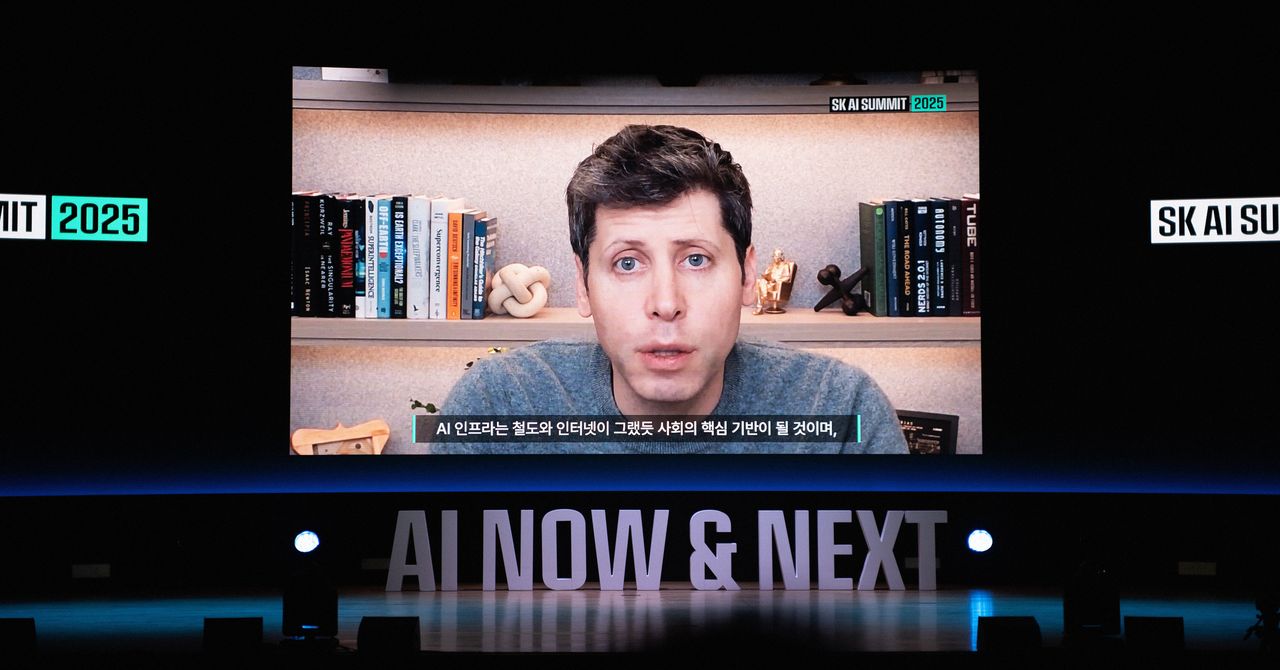
Look at the testimony. Caitlin Niedermeyer from OpenAI’s Global Affairs team pitches it as a bridge to federal harmony. Echoes Trump-era gripes about state patchworks gumming up the AI race.
“At OpenAI, we believe the North Star for frontier regulation should be the safe deployment of the most advanced models in a way that also preserves US leadership in innovation,” Niedermeyer said.
Translation: Regulate light, or China laps us.
But here’s my unique angle — this mirrors the 1957 Price-Anderson Act for nuclear power. Back then, labs got liability caps to build reactors without bankruptcy fear. Result? Boom in plants, sure. But Three Mile Island, Chernobyl vibes lingered because suits were neutered. Victims got federal crumbs, not real reckoning.
OpenAI’s betting the same: Cap our downside, unleash the atoms. Except AI’s no contained reactor — it’s code that worms into everything.
Illinois ain’t buying wholesale, though. They’ve got form: First state to curb AI in mental health chats. Biometrics privacy pioneer since 2008. Polls show 90% of locals hate liability exemptions.
Scott Wisor from Secure AI nails it: No reason big AI should skate free.
How Did We Get Here — And What’s the Real Architectural Shift?
No federal AI liability law yet. Congress dreams big, delivers zilch. Trump orders and frameworks? Vapor.
States fill voids. California tinkers. But Illinois? Aggressive. Lawmakers floated tougher AI liability just last year.
OpenAI’s move signals architecture change: From reactive lobbying to architecting escapes. They’re not just surviving rules — crafting them to favor scale.
Why now? Models like Anthropic’s Claude Mythos amp cyber threats, jailbreaks, novel harms. Suits already hit over ChatGPT-linked suicides. Individual pain’s mounting; mass-scale looms.
This bill dodges both, focusing on apocalypse-tier only. Sneaky — ignores the slow bleed of everyday misuse.
But wait.
Can SB 3444 Actually Survive Illinois Scrutiny?
Slim odds, experts say. Illinois regulates tech hard. Wisor’s poll: 90% opposition.
Yet OpenAI pushes federal preemption vibes through a state bill. Clever jujitsu — test balloon for national copycats.
If it sticks? Precedent. Other states pile on. Feds inherit a neutered framework.
No? Backlash fuels stricter rules. OpenAI’s PR spin — ‘safety first’ — crumbles under skeptical eyes.
It’s hype masking self-preservation. They’re not reducing risks; they’re redefining accountability.
Think about it. Publishing reports? That’s table stakes, not shields. Real safety? Auditable circuits, kill switches, maybe.
But that slows the race.
Why This Matters for Developers and Everyday Coders
Indie devs without $100M compute? Full liability exposure. Build cool tools on open weights? Pray no bad fork sparks harm.
Big labs? Fly free. Architectural shift: Consolidation accelerates. Talent flocks to shielded giants.
Users? Terms of service already disclaim everything. Now statutes back it.
Real people — you, me — left chasing shadows in court.
OpenAI’s north star? Innovation uber alles. But whose innovation? Theirs.
And ours? The cleanup crew.
🧬 Related Insights
- Read more: States Face a Data Privacy Crisis as Washington Raids Their Citizen Records
- Read more: FLI Gives White House AI Memo a Polite Side-Eye: Progress, But Perilously Short
Frequently Asked Questions
What is Illinois SB 3444 AI bill?
It exempts frontier AI makers from lawsuits over mass deaths (100+ people), injuries, or $1B damage — if they post safety reports and avoid intent.
Does OpenAI support limiting liability for AI harms?
Yes, they’re backing SB 3444 to shield labs while pushing for federal rules over state chaos.
Will OpenAI face lawsuits for AI-caused deaths?
Under this bill, probably not for ‘critical harms’ — but individual cases like suicides are still in play, and passage isn’t guaranteed.