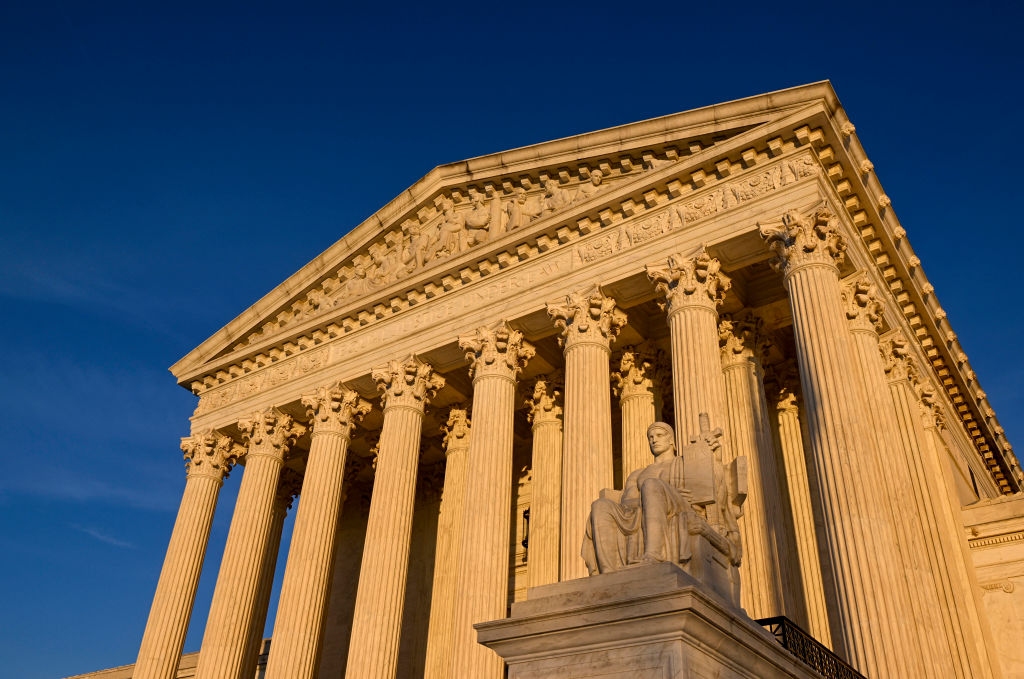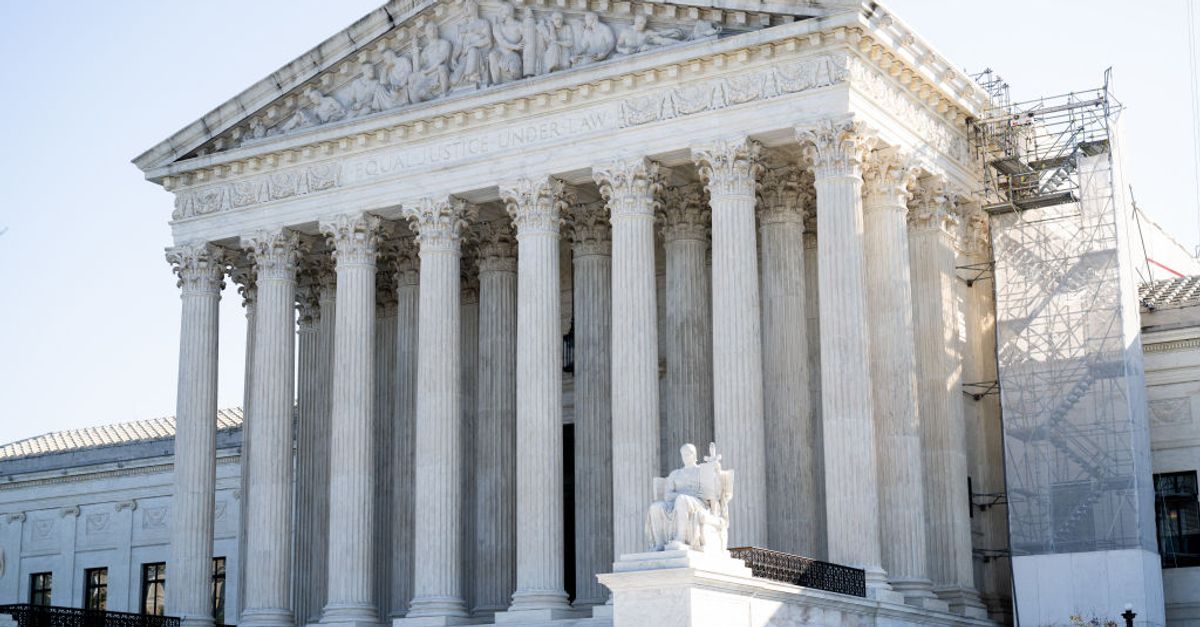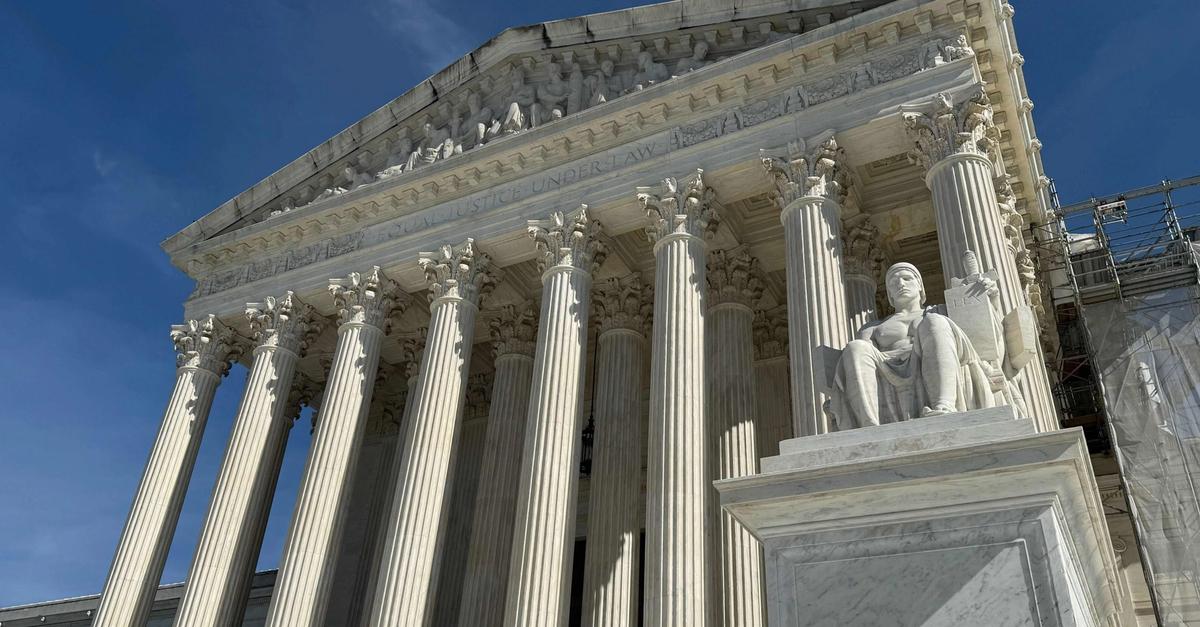
The federal courthouse doors just swung open a little wider for advocacy groups. The Supreme Court, in a surprisingly unanimous smackdown of lower court logic, has ruled that faith-based pregnancy centers challenging New Jersey’s aggressive information demands can actually litigate their case in federal court. This isn’t about the specifics of abortion or ultrasounds; it’s about the far more critical, and often frustrating, question of standing. Who gets to walk into court and say, ‘You’ve harmed me’? Apparently, New Jersey’s Attorney General, Matthew Platkin, learned the hard way that subpoenas demanding donor lists can indeed cause that harm.
The Chilling Effect of Paperwork
Here’s the deal: New Jersey wanted to know who was funding First Choice Women’s Resource Centers. The state claims it’s investigating potential misinformation. Fine. But the subpoena wasn’t just asking for receipts; it was asking for donor identities. First Choice argued, and the Supreme Court agreed, that this demand chills speech. Donors, they said, get skittish. They worry their association with a particular group will become public, and suddenly their contributions dry up. The group even pulled videos from its YouTube channel to protect staff. That’s not abstract. That’s actual speech being suppressed.
The lower courts? Useless. A federal judge in Trenton punted, twice. First, he said a state court had to act first. Then, after the state court nudged First Choice to respond, he still claimed First Choice hadn’t shown sufficient injury. An appeals court chimed in with more hand-wringing about the scope of the request and the possibility of arguing in state court. It’s the kind of bureaucratic merry-go-round that makes you want to scream. Justice Gorsuch, thankfully, has a shorter fuse for such nonsense.
Standing Up for the Little Guy (or Organization)
The core of the Supreme Court’s decision hinges on injury in fact. You can’t just sue because you don’t like something. You need to show you’ve been actually or imminently harmed. New Jersey’s subpoena, with its implied threat of contempt and penalties, was enough. More importantly, Gorsuch highlighted the declarations from donors. They explicitly stated they’d be less likely to donate if their information might be disclosed. This isn’t some hypothetical fear. It’s a concrete deterrent.
“All this,” Gorsuch concluded, “is more than enough to establish injury in fact under our precedents. An injury in fact does not arise only when a defendant causes a tangible harm to a plaintiff, like a physical injury or monetary loss. It can also arise when a defendant burdens a plaintiff’s constitutional rights. And our cases have long recognized that demands for a charity’s private member or donor information have just that effect.”
This is where the Acerbic Critic has to concede a point. Gorsuch, often a lightning rod, nailed it here. He recognized that the First Amendment isn’t just about shouting from a soapbox; it’s about the freedom to associate, to fund causes without fear of reprisal. The sheer volume of amicus briefs from groups as diverse as the ACLU and the Church of Jesus Christ of Latter-day Saints underscores this. Everyone understands that unearthing donor lists, even without actual enforcement, can lead to a deafening silence.
The Precedent They Don’t Want You To See
What’s fascinating, and frankly infuriating, is that this entire kerfuffle, this Supreme Court intervention, is over a procedural hurdle. New Jersey wasn’t trying to prove First Choice was lying; it was trying to gather information under a broad subpoena. The lower courts seemed to think that because the state hadn’t yet levied fines or shut down operations, the injury wasn’t real. This is dangerous thinking. It suggests that constitutional rights can be nibbled away by the slow drip of administrative process, only becoming actionable when the damage is irreparable and irreversible.
This ruling is a crucial reminder. The power of the state, especially when wielded through information demands, can be just as damaging as a direct physical assault on free speech. It creates an environment of self-censorship, where organizations become so risk-averse they can barely function. And that, folks, is how you kill dissent and diversity of thought, one subpoena at a time. This decision says, ‘Not so fast.’
Why Does This Matter for Legal Tech?
Look, Legal AI is all about efficiency. Streamlining document review, automating contract drafting, predicting outcomes. Great. But if the very tools and processes used to gather information — or the legal framework governing that information — are designed to stifle fundamental rights, then what are we really achieving? This case highlights that the legal rights surrounding data collection and disclosure are paramount. Before we get too excited about AI analyzing mountains of donor data, we need to ensure that the collection of that data is constitutionally sound and doesn’t have a chilling effect on association and speech. The tech might be neutral, but its application, governed by legal standing and due process, absolutely is not.
FAQs
What does “standing” mean in a legal context?
Standing is the legal right to bring a lawsuit. To have standing, a plaintiff must show they have suffered (or will imminently suffer) an actual or imminent injury, that the injury is fairly traceable to the defendant’s challenged conduct, and that the injury is likely to be redressed by a favorable decision.
Did the Supreme Court rule on whether New Jersey’s subpoena was valid?
No. The Supreme Court’s decision was procedural. It ruled that First Choice has the standing to bring its challenge to the subpoena in federal court. The actual validity of the subpoena itself will now be litigated in the lower federal courts.
Could this affect other organizations facing similar information demands?
Yes. By clarifying that the chilling effect on speech and association caused by demands for donor information constitutes an injury in fact, the ruling could make it easier for other advocacy groups and non-profits to challenge similar subpoenas in federal court.
🧬 Related Insights
- Read more: How Does AI Liability Work?
- Read more: AI Safety Index: Google DeepMind Slips Behind OpenAI