Spotlights flicker on in a bland USPTO conference room. Pharma warriors lock eyes with generics foot soldiers, ready to brawl over patent thickets.
Peter-Anthony Pappas doesn’t mince words. “Any proposed changes to patent rights or restrictions on their use should be based on a demonstrated need, and strong and reliable data and facts – not false narratives….”
That’s the opener from the Senate Judiciary staffer, speaking for Senator Tillis. Punchy. True. And it sets the tone for Monday’s PTAB Life Sciences Listening Session.
Patent Thickets: Bogeyman or Bogus Claim?
Generics guy Robert Cerwinski from AAM fires back. Claims IPRs and PGRs are a “boon” to cheap drugs and the public. Says anything with “north of 10 patents” screams thicket. Litigated one drug buried under 40.
Forty patents. Sounds scary—if you’re selling knockoffs. But here’s the acerbic truth: Pharma builds patent walls because inventing miracle drugs costs billions, and generics swarm like locusts the second Orange Book listings appear.
Henry Hadad from Bristol Myers Squibb, Dave Korn from PhRMA—they shred it. Data’s faulty, they say. No real thickets; just desperate defenses against serial PTAB petitions that let challengers game the system.
One short sentence: It’s theater.
But a sprawling reality check—consider the R&D grind: a single drug devours $2.6 billion on average, 10-15 years of trials, FDA gauntlets that crush 90% of candidates, only for PTAB to let any hedge fund troll file endless IPRs on shaky obviousness claims, delaying market entry while generics free-ride. No wonder pharma’s pissed.
Cerwinski’s boon? More like a bloodletting for innovation.
Pappas lays it out in his full remarks, invoking the Constitution itself. Article I, Section 8—Congress’s IP power baked into America’s DNA. We’ve led pharma innovation globally because of it. Undo that? Kiss goodbye to mRNA vaccines, CAR-T therapies, the next cancer cure.
Why Does PTAB Reform Matter for Life Sciences?
PTAB was meant to fix patent trolls. Congress birthed it in 2011 America Invents Act to weed out junk patents. Noble idea.
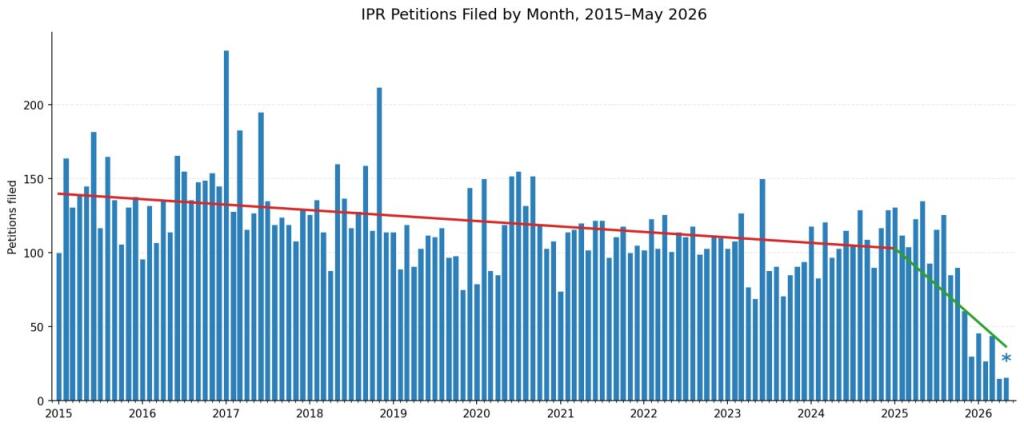
Reality? Abused rotten. Serial petitions—same patent, different petitioner, rinse, repeat. Parallel district court suits. Owners face death by a thousand cuts.
Hadad piles on: Bristol Myers needs predictable rights to justify sky-high R&D bets. Without ‘em, why bother? Innovation flees to Europe, China—poof.
Dry humor alert: Generics love PTAB like a vampire loves O-negative. Sucks the life from patents, spits out cheaper pills. But who funds the next blockbusters?
Moderator Austin Mayron keeps it lively. Debate crackles. Pharma dominates; generics flail.
Here’s my unique hot take, absent from the session transcripts: This echoes the 1984 Hatch-Waxman wars. Back then, generics demanded shortcuts to copycats; Congress gave ‘em 180-day exclusivities. Fast-forward—now those tools morph into weapons, with PTAB as the nuclear option. History rhymes: Short-term access gains erode long-term invention. Predict this: Without PTAB curbs, U.S. pharma leadership craters by 2030, mirroring auto industry’s Japan slide in the ’80s.
Bold? You bet. But data backs it—U.S. biopharma patents filed annually? Peaking then dipping amid PTAB chaos.
Pappas hammers affordability worries. Sure, drugs cost—but innovation drives it. Trump-era EO on prices? Fine, but don’t gut IP. National security angle: Can’t out-innovate China with weak patents.
“America’s strong patent system is essential to fostering investments in pharmaceutical innovation and to ensuring accessibility of those medicines to benefit patients and society, both in the short and long terms.” — Peter-Anthony Pappas
Nailed it. Patients win with new drugs, not generics delaying the real game-changers.
Is Serial Petition Abuse Killing Drug Innovation?
Pharma panelists unite: Rein it in. Ban serials. Fix parallel challenges. PTAB stats scream abuse—80% institution rate early on, now selective but still brutal on life sciences.
Cerwinski? Pushes thickets again. Faulty data, say others. One drug with 40 patents? Likely covers formulations, methods, combos—necessary mosaics for complex biotech.
Wander a sec: Remember Keytruda? Merck’s cancer juggernaut. Patent thicket? Nah, ecosystem protecting a lifesaver. Generics circling would halt follow-ons.
Reform’s overdue. USPTO’s listening—next sessions on High Tech (April 20), Administration (May 18). Will they act?
PhRMA’s Korn warns of economic hit. Pharma: 5 million U.S. jobs, $1 trillion GDP slice. PTAB chills that.
Hadad: Innovation’s fragile. One bad ruling cascades.
Skeptic’s view: USPTO moves slow as molasses. Tillis pushes bills—will they stick? Or more talk, no walk?
Corporate spin? Generics’ AAM reeks of it—“boon to public” ignores dead drugs from starved R&D.
Look. Patients need balance. But tilting to generics risks no new medicines. PTAB fix now—or regret later.
🧬 Related Insights
- Read more: Boat AC Wars: Federal Circuit Nixes Dometic’s Import Block, Exposing Patent Traps in Hardware Design
- Read more: EFF’s UN Warning: Cybercrime Laws Are Crushing Human Rights Defenders
Frequently Asked Questions
What happened at the USPTO PTAB Life Sciences Listening Session? Panelists debated patent thickets and PTAB abuses; pharma defended strong patents, generics pushed IPR benefits.
Are patent thickets a real problem in pharma? Pharma says no—faulty data; generics claim 10+ patents per drug prove it. Debate rages.
When are the next USPTO PTAB sessions? High Tech on April 20, 3-5 p.m. ET; Administration on May 18, same time.