So, what does a Federal Circuit decision vacating a zero-dollar damages award actually mean for the person whose livelihood might have been built on proprietary information? It means that sometimes, juries get it right, and the appellate courts remember their job is to check if the judge screwed up. In the Versata Software v. Ford Motor Co. case, a jury saw a trade secret theft and slapped Ford with $22.4 million. Then, the judge, in what can only be described as a moment of corporate appeasement, turned it into a big fat zero. Thankfully, the Federal Circuit stepped in, said ‘hold on a minute,’ and put that damages award back on the table. For the rest of us, it’s a reminder that intellectual property has actual value, and sometimes, the system — albeit slowly — works.
This isn’t just some academic exercise in damages calculation. This is about the incentive structure for innovation. If every big corporation can just snap their fingers and wipe out a jury’s verdict because they don’t like the number, what’s the point of investing in and protecting trade secrets in the first place? It’s corporate gamesmanship at its finest, and the courts are supposed to be the referees. The CAFC’s ruling suggests they might still be paying attention, even if the referees are sometimes influenced by the shiny logos in the owner’s box.
Is the EU Waking Up to Generative AI’s Copyright Headache?
Meanwhile, across the pond, the European Commission is throwing a lifeline – or perhaps a distress flare – by asking for public input on how generative AI impacts copyright. This is the kind of thing that makes me raise an eyebrow. They’re calling for evidence, seeking proposals to modernize the EU’s copyright framework. Translation: they’ve heard the loud noises about AI churning out art, music, and text that looks suspiciously like something somebody else created, and they’re finally starting to wonder if maybe, just maybe, this is a problem that needs solving. It’s a bit like discovering a new species of dinosaur in your backyard and then holding a town hall to discuss whether it might eat the cat.
We’ve seen this play out before with digital technologies. Each new wave brings a tsunami of legal questions that the old laws simply weren’t built to handle. The real question here isn’t if there’s an impact, but who is going to profit from the “modernization” and who gets left holding the bag. Is it going to be the individual creators whose work is being fed into these models without consent or compensation? Or will it be the tech giants who built the engines, now asking governments to bless their data-gobbling habits?
“The European Commission announced a call for evidence on proposals to modernize the EU’s copyright framework, targeting generative AI’s impact.”
This feels less like proactive policy-making and more like damage control. The horse has already bolted, galloped across the digital plains, and is currently writing its memoirs. Now they want to “modernize.” It’s the classic tech-policy dance: build first, ask questions later, then scramble to catch up when the consequences become too loud to ignore. Who’s actually making money here? Right now, it’s looking like the folks building the AI. The artists? The writers? They’re still waiting for their invitation to the feast.
Who’s Even Allowed to Appeal This Stuff?
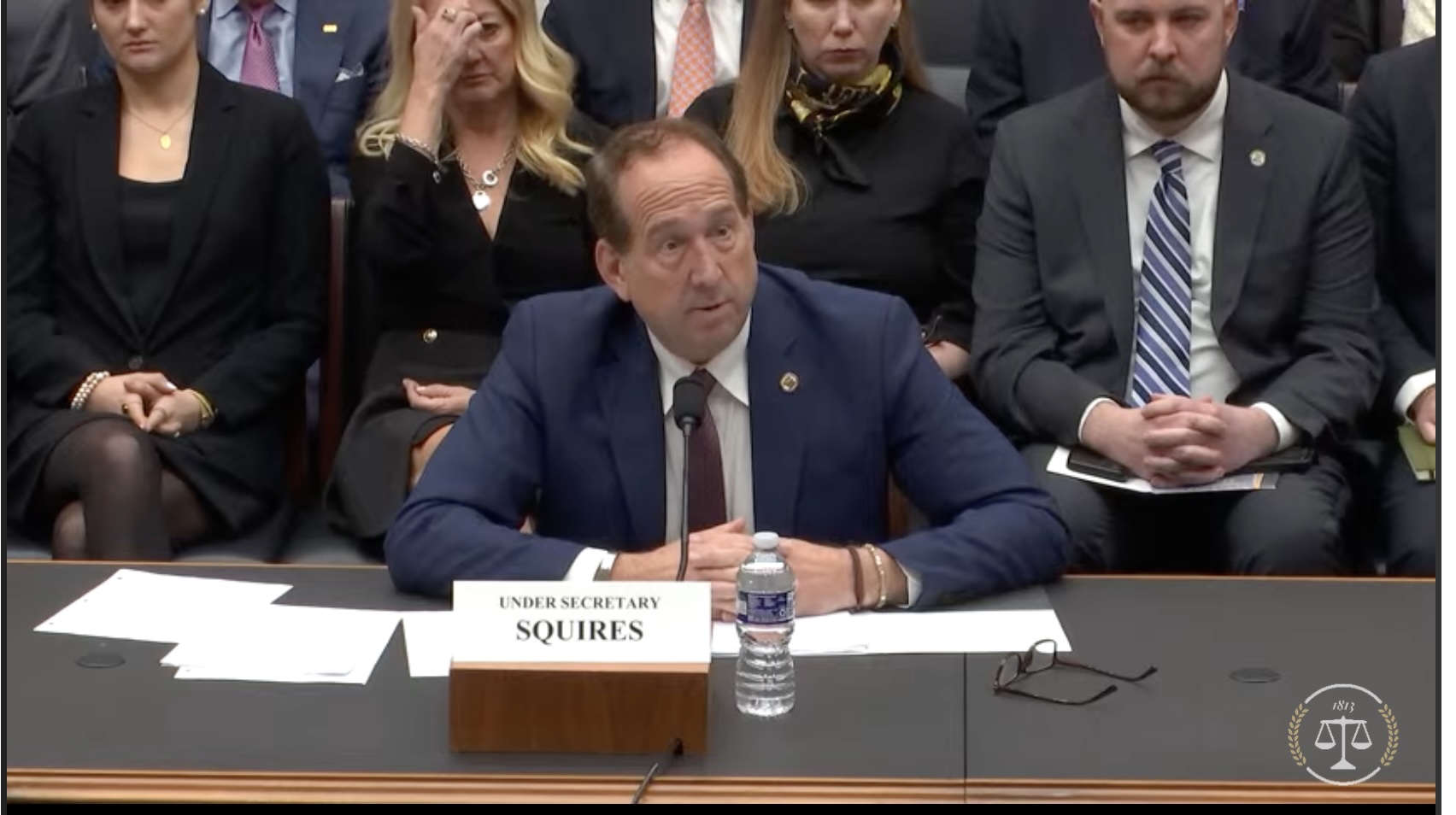
Then there’s the ongoing saga of U.S. Patent and Trademark Office Director John Squires and his jurisdictional arguments. He’s telling the Federal Circuit that InComm, a company that apparently lost a patent invalidation battle, shouldn’t be allowed to appeal a subsequent order that vacated that invalidation. It’s a legal thicket that, frankly, makes your eyes glaze over. But here’s the core of it: the USPTO is trying to argue that certain decisions are just part of the agency’s internal sausage-making and aren’t appealable. Think of it as the chef saying you can’t complain about the burnt toast because, well, they decided to burn it.
Squires’ brief suggests the appeal goes to the agency’s “unreviewable discretion” regarding instituting reviews. This is a classic maneuver. When you want to shut down an appeal, you argue that the court doesn’t have the power to hear it in the first place. It’s a procedural wall. The real meat of the matter – whether the patent claims were valid or not – gets sidelined by a debate about whether the appeal itself is even legitimate. And who benefits from this kind of jurisdictional wrangling? Not the innovators. It’s the lawyers and the administrators who get paid to navigate, and sometimes obscure, these complex rules.
It’s a proof to how much power is concentrated within administrative bodies like the USPTO. They can invalidate patents, and then, in certain circumstances, seemingly pull the rug out from under appeals by simply arguing it’s beyond the courts’ purview. This isn’t about the merits of patent law; it’s about access to justice, and whether a company can get a fair shake when challenging decisions made within the system itself. When you’re talking about intellectual property, which is supposed to be a cornerstone of innovation, these kinds of barriers are, at best, frustrating, and at worst, actively damaging.
Key Takeaways
- Trade Secret Damages Reinstated: The Federal Circuit revived a significant jury award in a trade secret case, showing that post-trial judicial overreach can be corrected.
- EU Seeks Generative AI Copyright Input: The European Commission is soliciting public opinion on AI’s copyright implications, signaling a move to address emerging legal challenges.
- USPTO Argues Against Appeal: The PTO Director is attempting to block an appeal of a patent invalidation order, raising questions about judicial review of agency decisions.
**
🧬 Related Insights
- Read more: John Deere’s $99 Million Right-to-Repair Payout: Farmers Win, But Is It Enough?
- Read more: SCOTUS Patent Cases: What’s Still Hanging?
Frequently Asked Questions**
What does the Versata Software v. Ford Motor Co. ruling mean for trade secret law? It means that jury awards for unjust enrichment damages in trade secret cases are potentially valid and can be reinstated on appeal if a lower court improperly dismisses them.
What is the EU’s call for evidence on generative AI and copyright about? The EU is asking for public feedback and potential policy proposals regarding how technologies like generative AI interact with existing copyright laws, indicating a desire to update regulations.
Why is the USPTO Director arguing against an appeal in the InComm case? Director Squires is arguing that the court lacks jurisdiction to hear InComm’s appeal of a specific agency order, claiming it falls under the USPTO’s unreviewable discretionary powers.