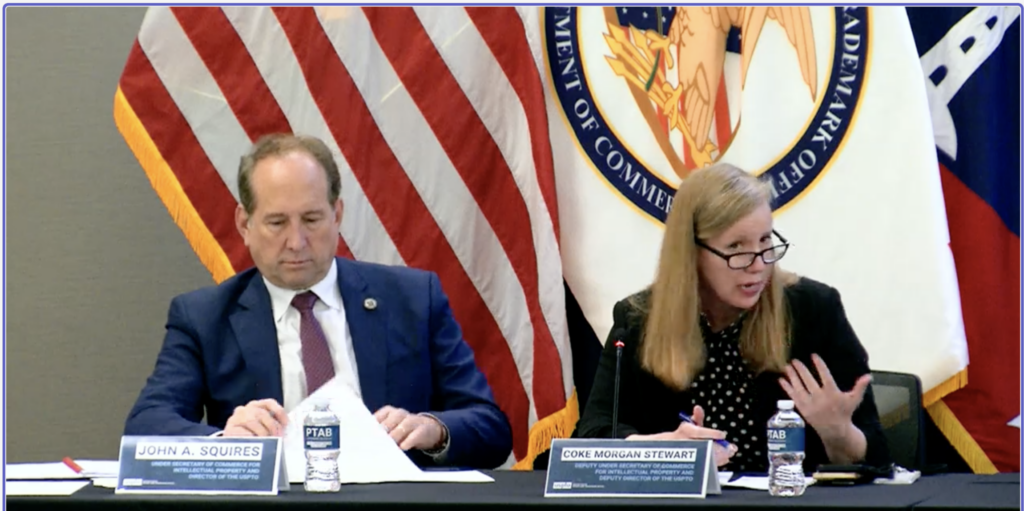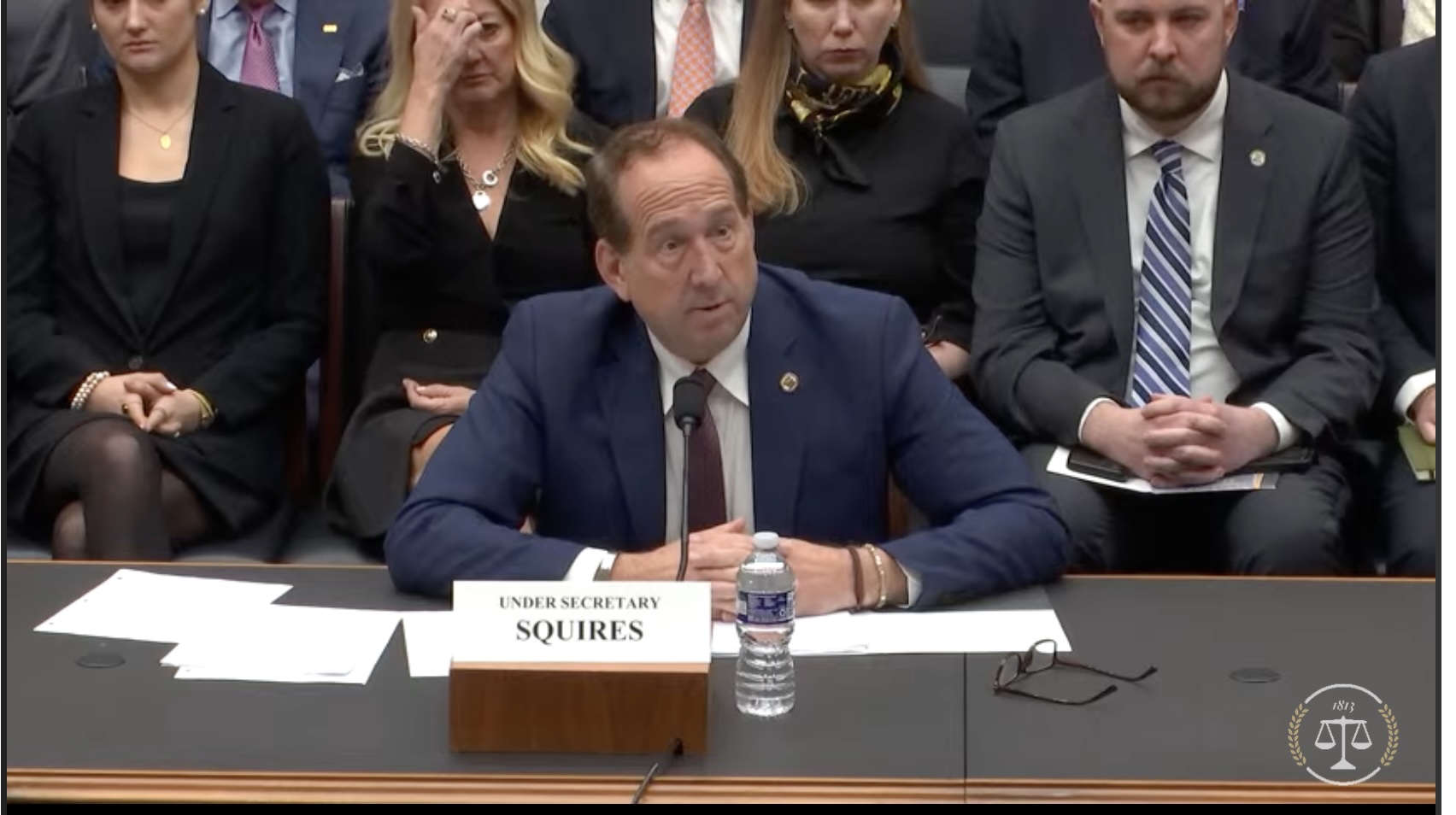
Just when you thought the USPTO had seen it all, Director John Squires comes along and essentially tells a petitioner, ‘Nice try, but no.’ We’re talking about a Director Discretionary Decision, folks, and this one isn’t just a slap on the wrist; it’s been marked precedential. That means it’s now the playbook for how the office should be handling these America Invents Act (AIA) proceedings.
The ‘Litigation use’ Problem
Squires didn’t mince words. For years, the Patent Trial and Appeal Board (PTAB) has been fielding petitions, and according to the data, a whole lot of these aren’t about weeding out bad patents; they’re about giving big companies — and let’s be honest, it’s mostly the big guys — another shot at winning a patent dispute they already lost or are fighting elsewhere. He’s calling it what it is: ‘litigation use.’ Serial petitions, trying again after a loss, saying one thing to the court and another to the PTAB – these aren’t the intended uses of a system meant to be an alternative to court, not a shadow twin.
And who’s filing these? The opinion points a finger directly at “a handful of market dominant companies.” Apparently, the top ten filers—think the tech giants and pharma behemoths you’d expect—are responsible for a staggering number of petitions. It’s a stark reminder that sometimes, these grand pronouncements about streamlining IP happen to benefit the ones who can afford the army of lawyers to game the system.
Public Interest vs. Private Spats
Here’s the rub: AIA reviews are supposed to be about the public interest, about clearing out invalid patents that clog the system for everyone. District court litigation, on the other hand, is where private disputes get hashed out. Squires is reiterating that fundamental difference. The court’s reach is broader, its scrutiny deeper. When you file a petition, you’d better be talking about the public interest, not just how it helps your specific, private battle.
“The lack of a jury verdict as to anticipation or obviousness in the now-completed jury trial does not entitle Petitioner to re-litigate the same issues at the Office.”
Ouch. That’s USPTO Director John Squires laying down the law.
Magnolia Medical Technologies Gets the Boot
So, what’s the specific case that sparked this landmark decision? Magnolia Medical Technologies. They took a swing at Kurin, Inc.’s patent via an IPR, but here’s the kicker: they’d already lost in district court. Not only that, but their own expert’s testimony regarding anticipation and obviousness—the very grounds they wanted the PTAB to review—was blocked from reaching the jury. Magnolia tried to argue that because the jury never heard it, the PTAB should hear it. Squires saw right through that. Granting the IPR would be letting them have a “second bite at the apple,” a move directly contrary to the AIA’s core purpose. It was their expert’s failure to disclose crucial information, something within their control, that led to the exclusion. Allowing them to relitigate based on that exclusion would be rewarding sloppy practice, not promoting patent quality.
What This Means for the Legal AI Landscape
This ruling has ripple effects for legal tech companies pushing AI solutions for IP strategy and litigation. For years, the buzz around AI has been its ability to “accelerate” and “optimize” legal processes. But what happens when the underlying process itself is being scrutinized for abuse? Companies offering AI-powered IPR analysis or prediction tools now have to contend with a PTAB that’s explicitly signaling it’s watching for strategic maneuvering, not just efficient processing. It forces a recalibration: is the AI helping validate patents or helping game the system? The line just got a lot sharper. Expect more focus on AI that can identify legitimate grounds for review, rather than just churning out petitions.
The Takeaway for Big Tech
For the “market dominant companies” that Squires calls out, this is a clear warning shot. The free ride on the IPR gravy train might be slowing down. They’ll need to ensure their petitions are genuinely serving the public interest, not just providing a tactical advantage in a courtroom fight. The days of simply filing a strong-sounding IPR to pressure a smaller competitor into a settlement might be numbered.
Is This the End of IPRs as a Litigation Tool?
Not exactly. The decision doesn’t eliminate IPRs; it refines their purpose. The PTAB still exists to address genuine patent validity issues that might have been overlooked or weren’t fully adjudicated. However, the emphasis has shifted decisively from a parallel litigation track to a more targeted, public-interest-driven review process. Petitioners will need to be more strategic, more transparent, and frankly, more honest about their intentions.
Why Does the Public Interest Matter Here?
The USPTO, particularly under Director Squires, is emphasizing that its role isn’t just to adjudicate private disputes. Invalid patents can stifle innovation and competition for everyone. By focusing on the public interest, the PTAB aims to improve the overall quality of the patent system, which benefits consumers and honest innovators alike. This ruling reinforces that goal, ensuring the IPR process serves a broader societal good, not just the immediate needs of large corporations engaged in patent battles.
Looking Ahead
This precedential decision is a sign that the USPTO is serious about maintaining the integrity of the AIA proceedings. It’s a pushback against the weaponization of the system and a reaffirmation of its intended purpose. For patent holders, it offers a bit more security against serial challenges aimed solely at use. For petitioners, it means a higher bar and a more scrutinizing eye from the Office. We’ll be watching to see how this plays out, but for now, the message is clear: play by the rules, or don’t play at all.