Your weekend sail just got cheaper. Boat owners and installers—those folks wrestling clunky HVAC units into fiberglass sardine cans—won’t face jacked-up prices from a U.S. import ban on rival marine air conditioners. The Federal Circuit’s fresh nod to the ITC in Dometic Corp. v. International Trade Commission means Citimarine and Chinese makers keep shipping, no exclusion order in sight.
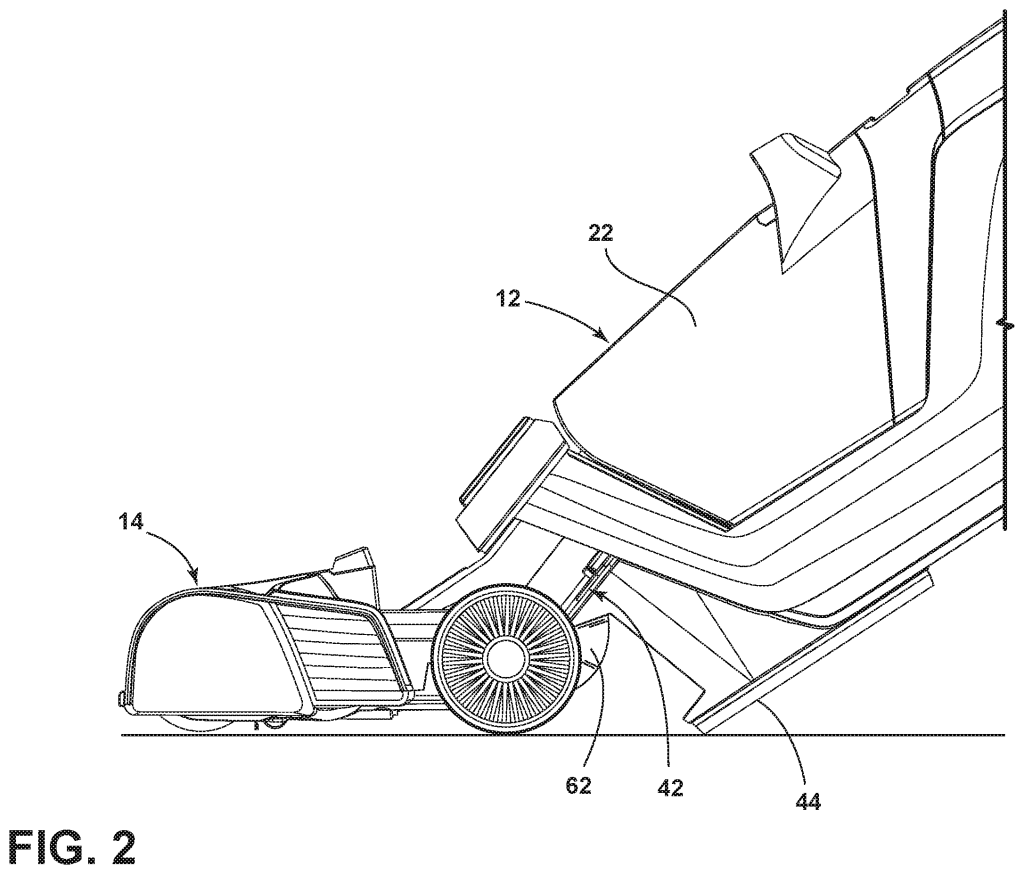
Here’s the thing. Dometic’s ‘351 patent promised a compact marine AC wizardry: a main body, blower, and rotatable assembly that flips airflow without ballooning the unit’s height. Perfect for boats where every inch fights back. They sued under Section 337, crying foul on imports from Citimarine, Mabru, and Shanghai outfits. ITC said no dice—claims invalid or not infringed. Fed Cir agreed, Tuesday.
But why? Dig under the hood, and it’s a masterclass in claim construction’s brutal precision. Dometic leaned on a presumption—straight from Becton Dickinson case—that listed claim elements mean separate physical bits. Like, “main body” and “assembly” gotta be distinct chunks, right? Not touching except at edges.
“Dometic relied on a presumption that separately listed claim limitations indicate separate and distinct physical structures, citing Becton, Dickinson & Co. [but] the Federal Circuit rejected this argument.”
Judge Taranto’s panel swatted that down. Patent spec and figures? They show the assembly’s guiding cover plopped right on the main body’s drain pan. Abstract flat-out calls it “a main body including an assembly.” Vector Compact prior art—the anticipation dagger—has its shroud blending components into the body. No clean split. Presumption crushed by context.
How Did ‘Assembly’ Become Dometic’s Kryptonite?
Think about it. Patents thrive on wordsmithing modular designs—blower here, duct there—to dodge prior art. But courts now demand the spec backs the breakup. Dometic’s? It glues ‘em together. This isn’t just a loss; it’s a warning flare for hardware innovators. Remember the modular smartphone patent pileups in the 2010s? Qualcomm and Apple bled billions over fuzzy assemblies. Same vibe here—courts forcing inventors to draw sharper lines, or watch imports flood in.
My bet: expect a spike in spec amendments during prosecution. No more lazy listings; every “assembly” needs blueprints proving separation. Dometic’s aggressive ITC play—filing late 2022, chasing quick bans—backfired spectacularly. Corporate PR spin called it “innovative flexibility,” but Fed Cir saw overreach.
Shift to claims 18-22. Dometic screamed about the “first axis” construction. ITC demanded two distinct rotational freedoms: one for blower, one for assembly. To tame height in tight boat nooks. Dometic? “Axes can align, even colinear—still two modes.”
Nope. Court doubled down: claim language screams independent hubs. Spec solves height via dual rotations. Prosecution history? Dometic added “first axis” and assembly limits to narrow from prior art. Can’t wiggle now.
The court emphasized that “even if the axes may be colinear, that alignment would not collapse the two modes of rotation into one.”
Why Does Dual-Axis Claim Construction Matter for Inventors?
Because it guts functional claiming in mechanical patents. Want rotation A and B? Prove structurally separate, not just outcomes. Vector Compact anticipated the basics; accused gear flunked the rest—no infringement, no domestic industry tech prong. ITC’s ALJ nailed it early on anticipation, Commission affirmed.
Boats aren’t rocket ships, but this tech scales. Confined spaces? Think RVs, EVs, drones. Patent holders chasing ITC exclusion orders—fast-track border blocks—now face Fed Cir skepticism on presumptions. Unique angle: this mirrors 1980s VCR wars, where JVC’s VHS patent survived on crisp modularity claims. Dometic’s fuzzy ones? VHS Beta’d.
Real people win short-term. Installers grab cheaper Vector-like units, no tariff hikes. But long game? Tighter patents mean fewer junk claims, healthier competition. Dometic Sweden AB licks wounds; Citimarine sails on.
And the domestic industry? Dometic couldn’t prove it for survivors. No practicing entity bite without tech prong—articles, licensing, whatever.
Look, ITC’s Section 337 is patentee catnip: no willfulness, quick remedies. But Fed Cir just raised the bar. Hardware firms, rewrite those specs.
Will This Chill ITC Filings on Imported Gadgets?
Probably not kill ‘em—smartphone cases still flock. But expect cleaner claims. Dometic’s loss spotlights why: context trumps presumption, history binds you.
Bold prediction. Next wave? Prosecution histories get weaponized more. That 2022 amendment? Dometic’s own sword.
For boat yards in Florida or Michigan, breathing easy. No supply crunch. But inventors—sketch those distinctions now.
**
🧬 Related Insights
- Read more: Experts and Stars Demand Superintelligence Ban as Polls Scream No
- Read more: Georgetown Law Ditches Gala for Classroom Happy Hour: Students’ Big Moment Gutted
Frequently Asked Questions**
What does the Dometic v. ITC decision mean for marine AC imports?
No exclusion order; Citimarine and others keep selling in U.S. Dometic’s patent claims failed on anticipation and infringement.
Why did Federal Circuit reject separate structures presumption?
Patent spec and figures integrated the assembly into main body, overriding Becton Dickinson rule.
How does dual-axis rotation affect hardware patents?
Claims must show structurally distinct rotations, not just functional overlap—even if axes align.