Forget the breathless pronouncements of AI replacing lawyers overnight. The real seismic shifts in the legal tech world often happen in quieter courtrooms, far from the AI hype cycle. This week, the U.S. Court of Appeals for the Federal Circuit handed down a decision in Bissell, Inc. v. International Trade Commission that, while dry on the surface, signals a subtle but significant architectural tweak in how patent disputes involving imported goods will be adjudicated.
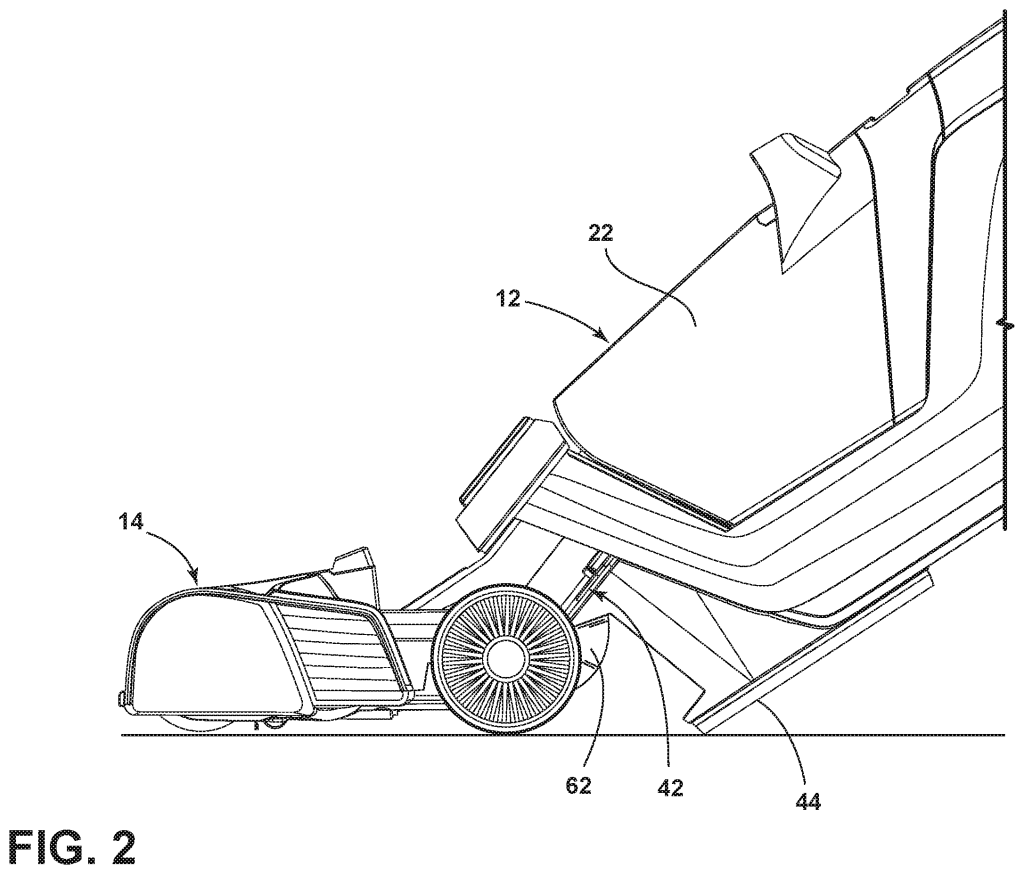
Here’s the rub: Bissell thought Tineco’s redesigned vacuum cleaners were swiping their patented self-cleaning features. Specifically, Bissell was hung up on a claim that the battery charging circuit must be disabled during a cleaning cycle. Tineco, faced with an ITC complaint, simply… redesigned the product. And the ITC, and now the Federal Circuit, said that was perfectly fine.
Did Tineco Actually Outsmart Patent Law?
This isn’t just about vacuums, though. It’s a masterclass in how companies navigate intellectual property law when faced with allegations of infringement. When Tineco’s products were initially found to infringe, they didn’t throw in the towel. They went back to the drawing board, made modifications, and then argued those changes put them on the right side of the patent line. The Federal Circuit’s affirmation of the ITC’s findings means that this design-around strategy, when executed correctly, can be a viable defense against import exclusion orders.
The core of the dispute hinged on a single patent claim: the disabling of a battery charging circuit during a self-cleaning mode. Bissell’s argument, as articulated by their expert, relied on a very specific interpretation of how this disabling should occur. The Administrative Law Judge, however, found Bissell’s expert unconvincing, leaning instead on the “plain and ordinary meaning” of the claim language. This isn’t some obscure legal jargon; it’s the bedrock of patent interpretation. If the words themselves, in their everyday sense, don’t support the broader claim, then the patent holder is likely out of luck.
The Federal Circuit noted that the Administrative Law Judge merely applied the plain and ordinary meaning of the claim language and made credibility determinations, finding the testimony of Bissell’s expert unpersuasive.
The CAFC essentially rubber-stamped this approach. They didn’t find an error in how the ALJ interpreted the claims or how they weighed the expert testimony. For Tineco, this was a vindication. For Bissell, it was a painful reminder that patents aren’t always etched in stone, and that clever engineering can sometimes sidestep infringement.
When Does a Redesign Mean ‘No Harm Done’?
What’s fascinating is the CAFC’s take on the doctrine of equivalents. This is the legal principle that says even if a product doesn’t literally match every single word of a patent claim, it can still infringe if it performs substantially the same function in substantially the same way to achieve substantially the same result. Bissell tried to argue that Tineco’s redesign still infringed under this doctrine, claiming the ALJ was wrong to disregard their expert’s opinion. The court, however, saw this differently. They characterized the ALJ’s decision not as a flawed legal application, but as a rejection of expert testimony that simply didn’t hold water. The ALJ found that a circuit doing the opposite of what the claim requires wasn’t “insubstantially different” – a factual determination that the CAFC deferred to.
This is where the ‘how’ and ‘why’ get really interesting for tech companies operating globally. The ITC process is designed to be a swift gatekeeper for imported goods. When a patent holder can convince the ITC that infringing products are coming into the country, they can get those products blocked at the border. But this ruling suggests that if a company can demonstrate a bona fide redesign that addresses the specific patent claims at issue, they can successfully navigate these import barriers. It’s a powerful incentive to innovate defensively – to understand existing IP and build products that preemptively avoid conflict.
On the flip side, it highlights a potential vulnerability for patent holders. If their claims are too narrow, or if the technology is rapidly evolving, a simple redesign could render their patent protection moot. This case underscores the importance of broad, well-drafted patent claims and the need for meticulous technical evidence, especially when expert testimony is involved.
What This Means for Your Next Vacuum (and Beyond)
For the end-user, the practical implications are subtle but real. It means that companies can likely continue to refine their products in response to patent challenges without necessarily pulling entire product lines from the market. This can foster competition and innovation, as companies aren’t perpetually locked into outdated designs due to fear of litigation. It suggests a legal framework that, at least in this instance, is willing to accommodate design evolution, rather than rigidly enforcing patents that might stifle progress.
This isn’t a blanket endorsement of design-arounds. The validity of the redesign, and its ability to escape infringement, will always be scrutinized on a case-by-case basis. But Bissell v. ITC provides a clear win for companies that can successfully demonstrate that their modified products no longer fall within the scope of a patent. It’s a complex dance between innovation, legal strategy, and the relentless pursuit of market share. And right now, Tineco seems to be doing a pretty good two-step.
This decision isn’t about AI lawyers writing briefs; it’s about the fundamental architecture of patent enforcement. It’s about how companies react, redesign, and re-enter the market. And in the world of legal tech, these are the real, tangible shifts that matter.
🧬 Related Insights
- Read more: Eckert Seamans Hires Patent Pro for AI Surge [Analysis]
- Read more: Flock Safety’s ALPR Busts Phone-Wielding Rider, Igniting Mission Creep Alarms
Frequently Asked Questions
What does the Federal Circuit’s ruling mean for Bissell? It means Bissell’s attempt to block Tineco’s redesigned vacuum products from import failed. The court affirmed the ITC’s decision that the redesigned products do not infringe Bissell’s patents.
How did Tineco redesign their vacuum to avoid infringement? The key change involved the battery charging circuit. Bissell claimed the patent required this circuit to be disabled during a self-cleaning mode. Tineco’s redesigned products were found not to meet this limitation, as the circuit did not consistently remain disabled and, in fact, charged twice during the self-cleaning period.
Does this ruling affect consumers? Potentially, yes. By clearing Tineco’s redesigned products for import, the ruling can contribute to continued market competition. This can lead to a wider variety of consumer products and potentially influence pricing and innovation in the vacuum cleaner market.