A patent owner stares at their screen, the date, March 27, 2026, mocking them. Another filing. Another delay. Not even a new argument, just the same old song and dance dressed in different legal robes.
Security First Innovations (SFI) isn’t just filing a petition; they’re waving a red flag at the U.S. Patent and Trademark Office (USPTO). Their complaint? That the system, meant to streamline patent challenges, is instead becoming a hamster wheel of procedural absurdity. It’s an end-run, pure and simple, around the very idea of finality. And it’s happening with alarming regularity.
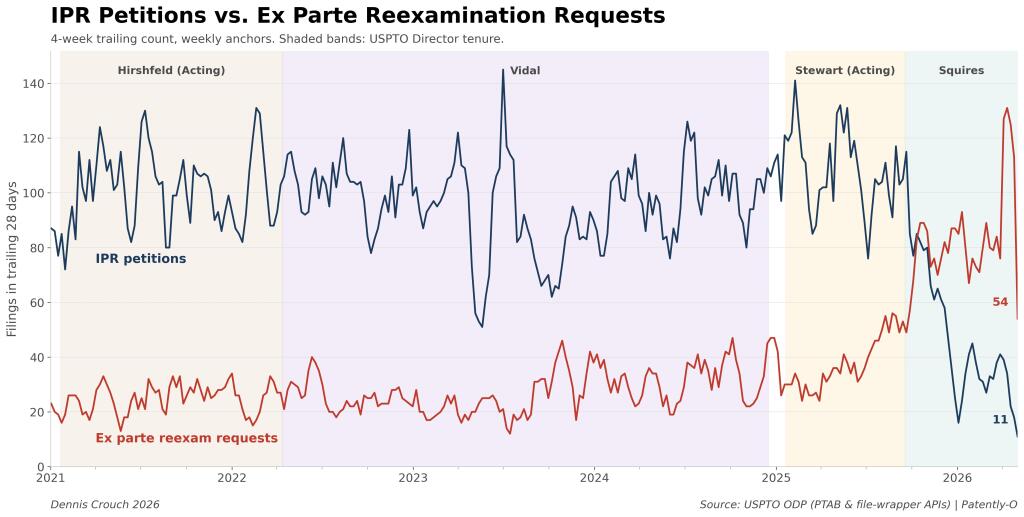
Look, the USPTO’s own reforms, championed by Director John Squires, are likely going down the drain. Why? Because a growing number of challengers, after their Inter Partes Review (IPR) gets shot down, simply repackage the same arguments and file for an ex parte reexamination. It’s like failing a spelling test and then asking the teacher to grade your identical, smudged homework again.
The Office is Encouraging a System of Duplication
The facts here are so stark they’re practically neon. IBM, after striking out with an IPR, filed a reexamination request mere days later. SFI points out IBM didn’t even bother to change the document much. “Essentially replaced the caption of its failed IPR petition and resubmitted the same document.” Same claims, same prior art (Dickinson, Hardjono, and Moulton), same arguments. IBM even admits the grounds are “in substance, identical.” Seriously?
This isn’t about new evidence or a brilliant new theory. It’s blatant duplication. Congress saw this coming. They wrote 35 U.S.C. § 325(d), giving the USPTO the power to punt on review when the same prior art or arguments have already been trotted out. The goal was simple: one meaningful shot at killing a patent. Not a buffet of procedural options.
But the USPTO seems determined to treat IPRs and ex parte reexaminations as entirely separate universes, even when they’re cosmically identical. From a patent owner’s perspective, though? They’re both just different doors leading to the same grim outcome: the patent’s death. The idea of finality for the owner? Utterly laughable. Finality only arrives when the challenger wins and the patent is toast.
This breeds an arbitrage opportunity. Challengers get a free swing with an IPR, absorb the rejection, and then pivot to reexamination. No harm, no foul, and no estoppel. It’s the serial IPR problem all over again, just through a different backdoor.
Is This Process Actually Fair?
And then there’s the ignominious “substantial new question of patentability” (SNQ) standard. It’s supposed to be a gatekeeper. It’s not. Over 92% of reexamination requests find an SNQ. That statistic should alarm everyone. It means even when the art isn’t new, the arguments aren’t fresh, and the USPTO already said ‘no’ to an IPR, the reexamination still chugs along.
This isn’t just some academic exercise. It has real-world consequences, particularly for ongoing litigation. IBM’s filing, as SFI notes, predictably led to a stay in district court proceedings. This is textbook infringer strategy: weaponize procedural delay when you can’t win on the merits. A failed IPR now becomes a two-step delay mechanism. For alleged infringers, it’s a win-win. They get more time, more uncertainty, and more chances to wear down the patent owner.
“If left unchecked, the system risks shifting toward a model where every patent challenge becomes a multi-shot challenge within the Office, where finality is not just elusive but impossible.”
Fighting a war of attrition is an old, tired tactic, but it works. And it’s deeply dispiriting to see a giant like IBM employing it. Even more disheartening is a patent system that actively facilitates this delay, a system that universally disadvantages the people who actually innovate.
From a strategic viewpoint, why wouldn’t an alleged infringer embrace this two-step strategy? File an IPR. Low risk. No estoppel. If it fails, simply re-label and refile for reexamination. It’s a no-lose situation for them. The patent owner, however, is left in a perpetual state of uncertainty and escalating legal costs.
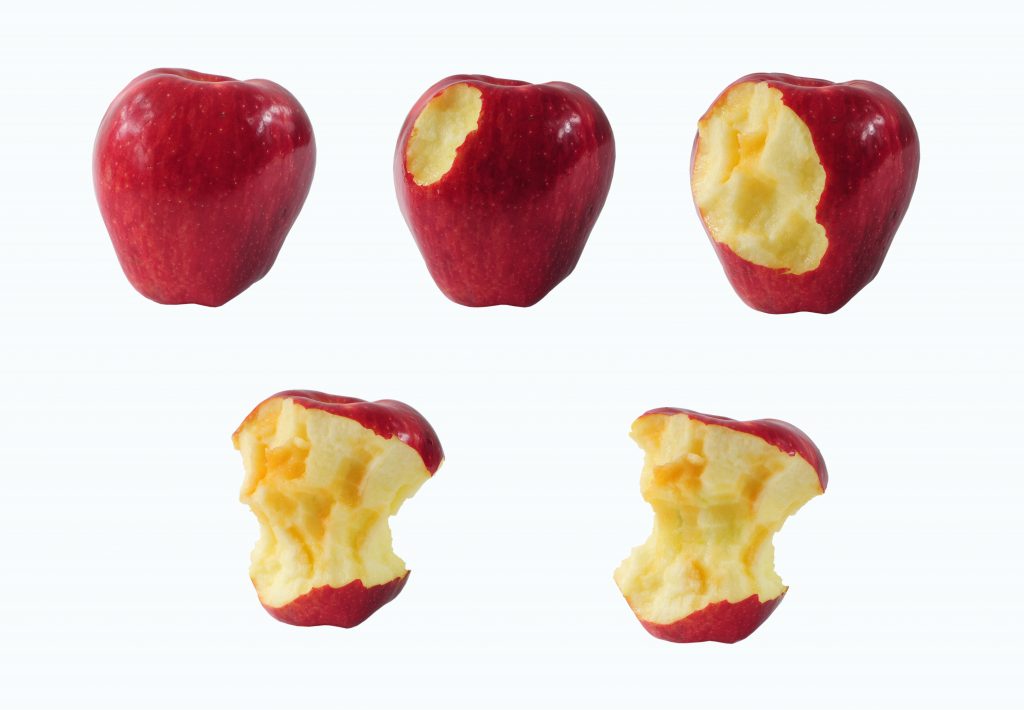
This isn’t about innovation. It’s about obstruction. The USPTO needs to recognize this structural vulnerability before it completely erodes the integrity of the patent system. The time for a real second bite at the apple is long gone. This is a deliberate, and frankly, pathetic, sidestep.
This whole situation smacks of regulatory capture, where the desire for bureaucratic activity—more filings, more proceedings—outweighs the actual goal of efficient and fair dispute resolution. The USPTO, by allowing this end-run, is effectively incentivizing inefficiency and punishing patent owners who dared to secure valid claims.
🧬 Related Insights
- Read more: Supreme Court to ISPs: You’re Not the Internet’s Copyright Cops
- Read more: Meta Rips Away Instagram’s Encryption Shield – Privacy’s Dark Day
Frequently Asked Questions
What does the SFI petition argue?
SFI argues the USPTO is allowing a procedural end-run where challengers can file the same patent challenge in multiple venues (like IPR and then reexamination) to avoid estoppel and create endless review, undermining the goal of finality.
Will this lead to more patent litigation?
Potentially. By prolonging USPTO proceedings, these tactics can also delay parallel district court litigation, giving alleged infringers more time and resources to fight.
Can patent owners stop this?
They can highlight the issue, as SFI has done. The USPTO has the discretion under 35 U.S.C. § 325(d) to deny review of substantially the same prior art or arguments previously presented, but it’s currently not exercising that discretion consistently.