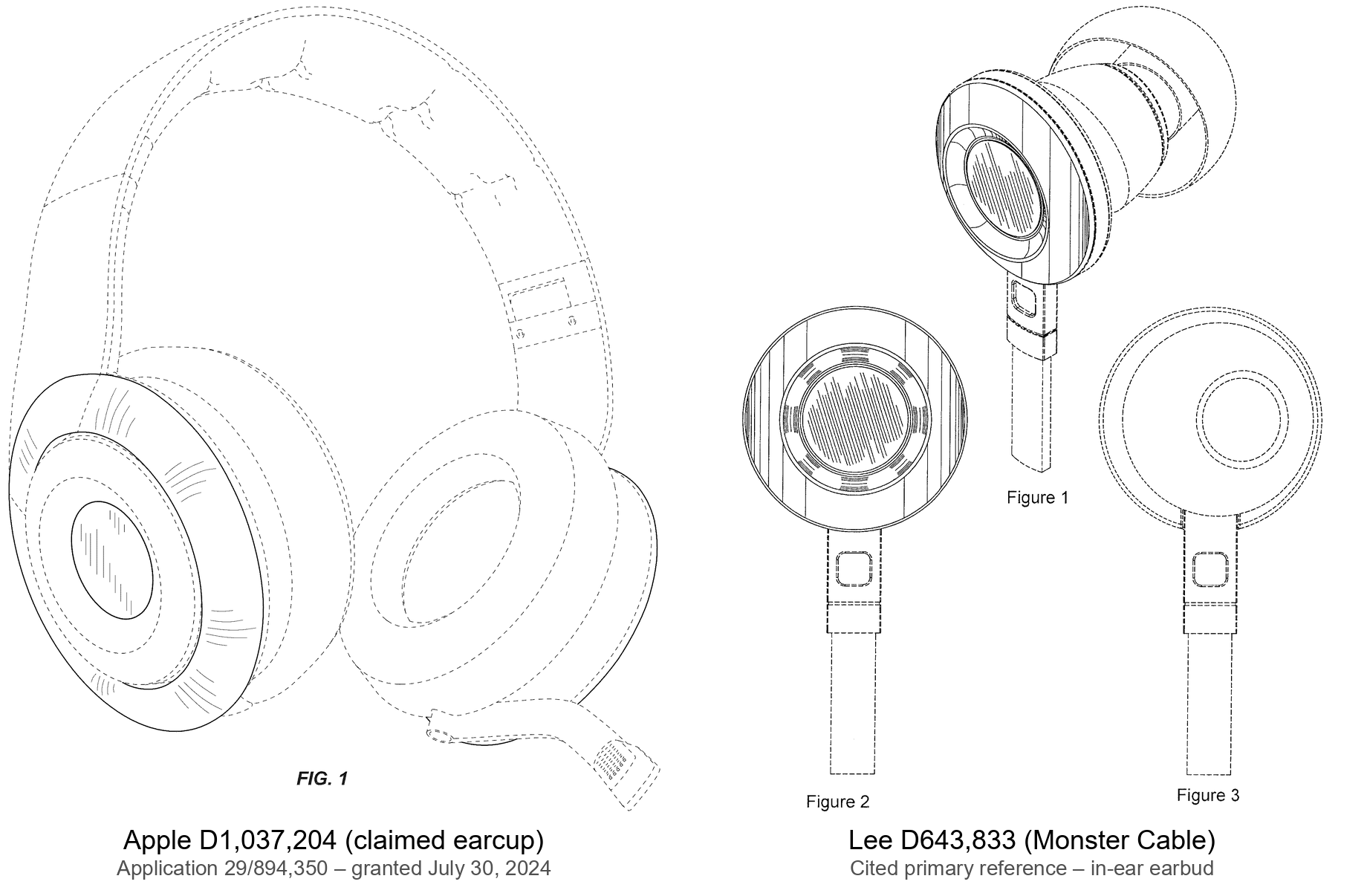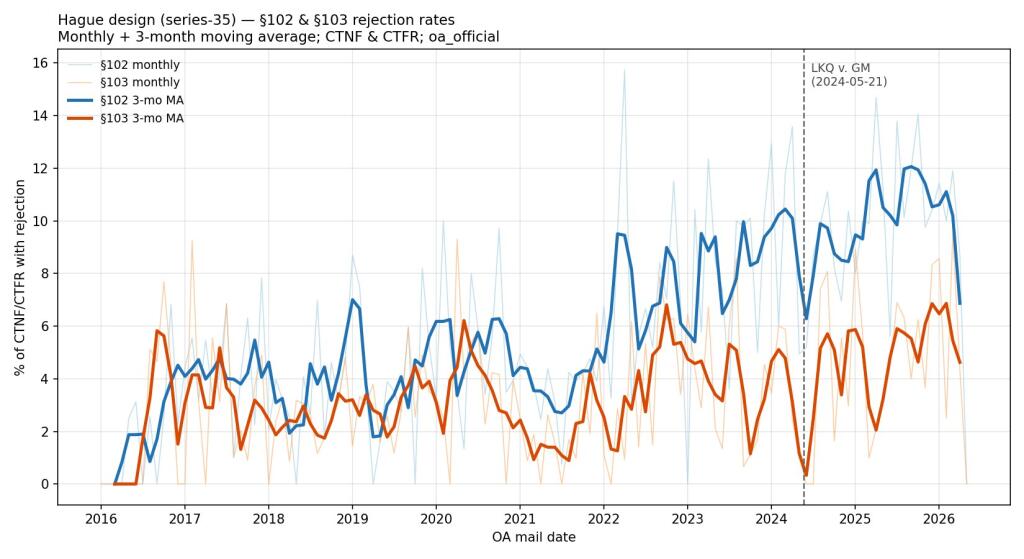
Only 1% of design patent applications are rejected for obviousness. Let that sink in. That’s according to new analysis of Hague System filings, which are publicly accessible. One percent. After a Supreme Court ruling, the Federal Circuit tweaked its approach to design patent obviousness. This was supposed to usher in a new era of rigorous examination. It was supposed to be a big deal.
Turns out, it’s mostly just more of the same.
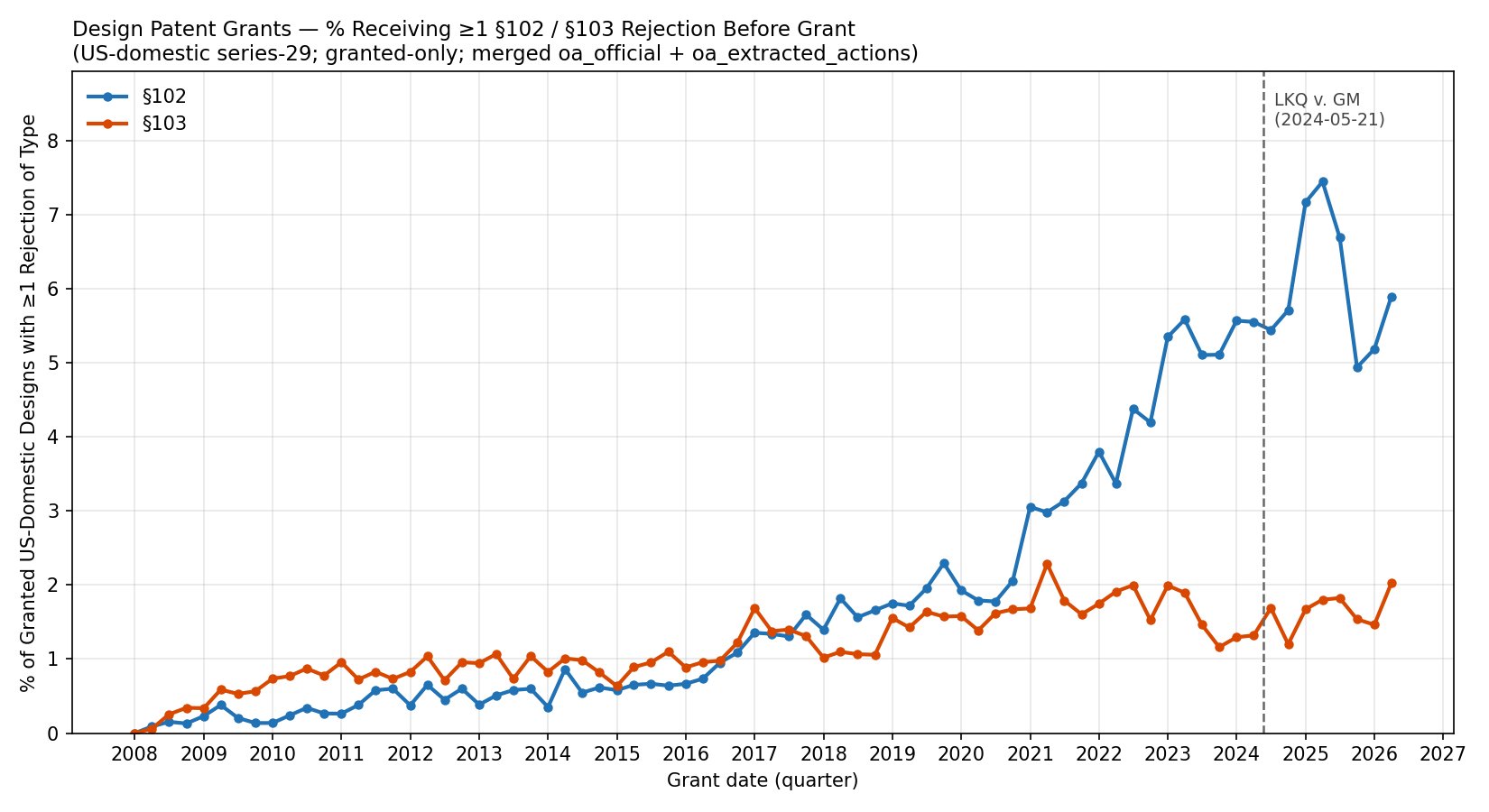
The Federal Circuit’s 2024 decision in LKQ v. GM was meant to inject some much-needed flexibility into the obviousness test for design patents. For years, the standard was rigid, almost comically so. Few applications dared to cross the obviousness hurdle, and even fewer were pushed over it. The LKQ decision signaled a shift, a chance for examiners to actually, you know, examine things. The implication was clear: prepare for more rejections, especially on grounds of obviousness.
But the data, as it often does, disagrees with the hype. The Hague System, essentially a PCT for designs, offers a window into this world. These international applications, when designated for the US, are subject to the same substantive patentability standards. And what do they show? A system largely unchanged, despite the judicial pronouncements.
Is Anyone Actually Rejecting Design Patents?
The chart, if you can call a single data point a chart, makes it brutally clear. We’re talking about 1%.
The fact remains that only about 1% of applications receive an obviousness rejection.
This isn’t just a minor dip; it’s a plateau. A flatline. You’d expect a seismic shift in legal interpretation to ripple through the examination process, wouldn’t you? Apparently not. It begs the question: what’s really going on at the USPTO when it comes to design patents?
Perhaps examiners are still wrestling with the new standard. Or maybe the initial filing standards are just that low. It’s also possible the legal teams representing applicants have simply gotten better at navigating the pre-LKQ landscape, presenting arguments that sidestep obviousness altogether. The court might have changed its tune, but the industry seems content to hum the old melody.
This inertia is fascinating. It’s a reminder that legal precedent, while important, doesn’t always translate into immediate, practical change on the ground. The machinery of patent prosecution is a large, slow-moving beast. It grinds along, sometimes seemingly indifferent to the pronouncements from on high.
The PR Spin vs. The Reality
It’s easy to get caught up in the narrative of legal progress. LKQ v. GM was framed as a victory for a more discerning patent system. The legal press, ourselves included, reported on its potential impact. Companies likely issued internal memos, perhaps even external PR, about adapting to this new reality. But when you strip away the legal jargon and the optimistic spin, you’re left with a simple, stubborn statistic.
One percent.
This isn’t to say the LKQ decision is irrelevant. It absolutely sets a new legal framework. But its practical application seems… limited. The Patent Office, and the legal practitioners who interact with it daily, have a long way to go before this flexibility truly manifests in higher rejection rates. We’re not seeing more rigorous examination; we’re seeing a continuation of a status quo that existed before the ruling. It’s almost as if the system has developed an immunity to change.
One wonders if this is a feature, not a bug. Perhaps the goal wasn’t actually to increase rejections, but to provide a theoretical escape valve for examiners, a legal basis to reject if they felt strongly enough. And in the vast majority of cases, they still don’t feel strongly enough.
This is the sort of disconnect that makes analyzing the legal tech landscape so endlessly entertaining – and sometimes, profoundly frustrating. We get the big court decisions, the pronouncements of change, and then we wait. And wait. And the numbers, those unblinking, impartial numbers, often tell a story that’s far less dramatic than the headlines suggest.