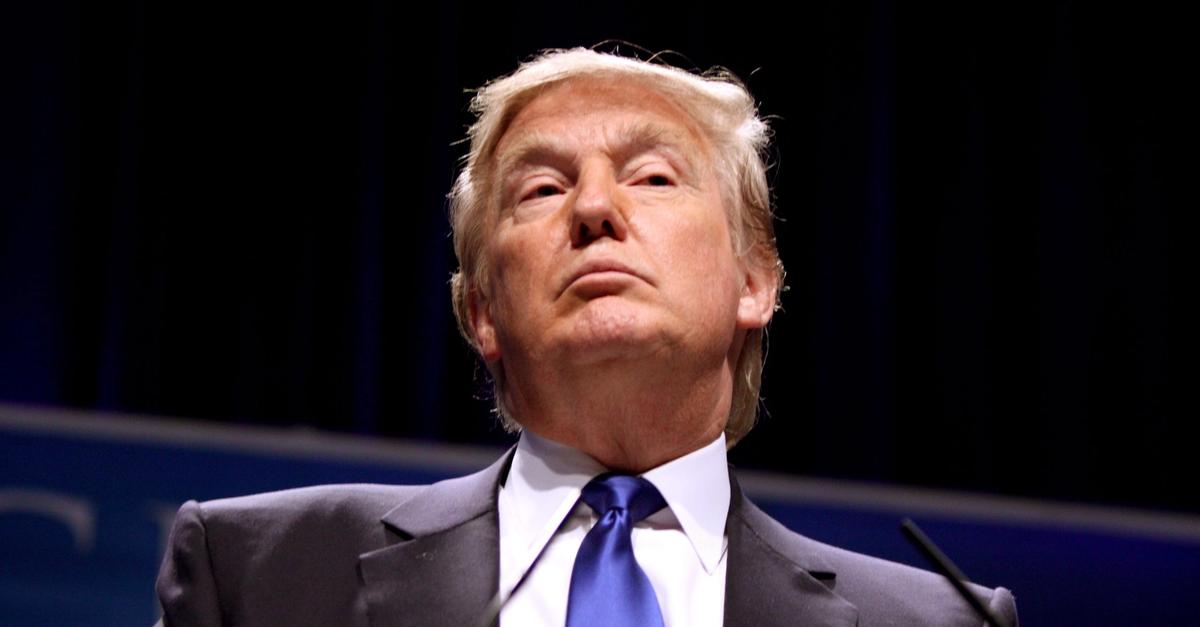
![[Judge] Denies Trump's Request to Destroy Records — Legal AI Beat](/og-image.svg)
So, the DOJ wants Trump’s documents. He, predictably, wants to make them disappear. And a federal judge? Apparently, she watched the Watergate tapes. I’m not saying it’s exactly Nixon all over again, but the echoes are loud enough to hear over the whirring of the shredders he apparently wishes he could deploy.
Look, the whole legal AI beat is supposed to be about how fancy algorithms are going to transform law. But sometimes, the most compelling legal developments aren’t about AI at all; they’re about old-fashioned human hubris meeting a judge who’s seen this movie before. This whole saga, with Trump demanding the destruction of official records — a request that smells as foul as day-old coffee — is a stark reminder that when it comes to the sticky business of evidence, tech can’t always paper over basic human impulses.
This judge, in case you missed the memo, basically told him to take a hike. She denied Trump’s demand to destroy official records. Why? Because, apparently, the government has a right to keep its own damn documents. Who knew? It’s a ruling that’s less about groundbreaking legal AI and more about the bedrock principle that you can’t just magic away evidence. Especially when that evidence is tied up in a presidential library or, you know, potentially classified government material.
Is This AI’s Moment in Court? Not Exactly.
Let’s be clear. This isn’t a story about some new AI tool that analyzed thousands of documents and flagged them for destruction. This is a story about a former president trying to get out of a jam, and a judge saying ‘no.’ It’s a human decision, based on legal precedent and, I suspect, a healthy dose of skepticism. The folks peddling AI for legal document review are probably still trying to figure out how to make their software understand sarcasm, let alone the nuances of presidential privilege.
But here’s the kicker, and it’s why we even bother talking about this in the legal tech space: the implications. Every time a high-profile legal battle like this unfolds, it underscores what’s at stake. If we’re talking about AI’s role in legal discovery, in compliance, in even generating legal documents (a whole other can of worms I’m not opening today), then the integrity of the underlying information is paramount. If a guy with a presidential library can’t even keep track of his own papers without a judicial smackdown, what hope do we have for AI systems wading through the digital detritus of corporate America?
The judge’s statement itself is pretty blunt. It’s not flowery legal jargon. It’s a clear-as-day rejection of a maneuver that reeks of desperation. You almost have to admire the audacity, but then you remember the stakes. We’re not just talking about political maneuvering here; we’re talking about the fundamental principles of record-keeping and accountability.
“The request is unusual and, in the judgment of this court, without merit.”
There it is. Short. Sweet. And damning. It’s the kind of sentence that makes lawyers sweat and publicists frantically draft damage control statements. It’s a judicial mic drop.
So, who’s actually making money here? Certainly not the Trump legal team if this is the outcome. The judge, well, she gets paid regardless. And the tech companies pitching AI solutions? They’re probably hoping everyone will forget this messy human drama and get back to talking about algorithms. But this is exactly why we need skepticism. Because until AI can reliably and ethically handle the complexities of legal evidence – and frankly, until humans stop trying to manipulate it — the fundamentals will always matter more than the fancy software.
This denial isn’t just a win for the DOJ; it’s a win for the idea that official records, especially those from the highest office, aren’t up for negotiation. And for those of us watching the tech tsunami hit the shores of the legal world, it’s a grounding moment. The law is still, at its core, about people and their actions. AI can analyze, it can automate, but it can’t (yet) replicate the judgment of a judge who’s decided you’re playing games with the truth.
Why Does This Matter for Legal Tech?
Because the integrity of data is everything. If AI is to be trusted in legal settings – and that’s a massive ‘if’ – it needs to operate within a framework of verifiable, preserved information. This whole Trump records situation, while seemingly a political circus, is a microcosm of the data governance challenges that AI solutions are supposed to solve, not exacerbate. If the source material is compromised, or if its very existence is under threat from its owner, then any AI built upon it is standing on quicksand. The legal tech industry needs to remember that they are building tools for a system that requires trust and transparency. And sometimes, that trust is tested by very human, very old-school attempts to sidestep justice.
🧬 Related Insights
- Read more: Enhanced Games: 2026’s Doping Olympics Spark Debate
- Read more: District Court Obviousness: PTAB’s Legacy Moves to Judges
Frequently Asked Questions
What was Donald Trump demanding the court do? Donald Trump had requested that certain official records be destroyed.
What was the judge’s decision regarding Trump’s demand? The judge denied Donald Trump’s request to destroy official records, stating it was unusual and without merit.
How does this relate to the Nixon administration? The situation is being compared to the Nixon administration’s legal troubles regarding official records, suggesting a pattern of attempts to control or dispose of evidence.