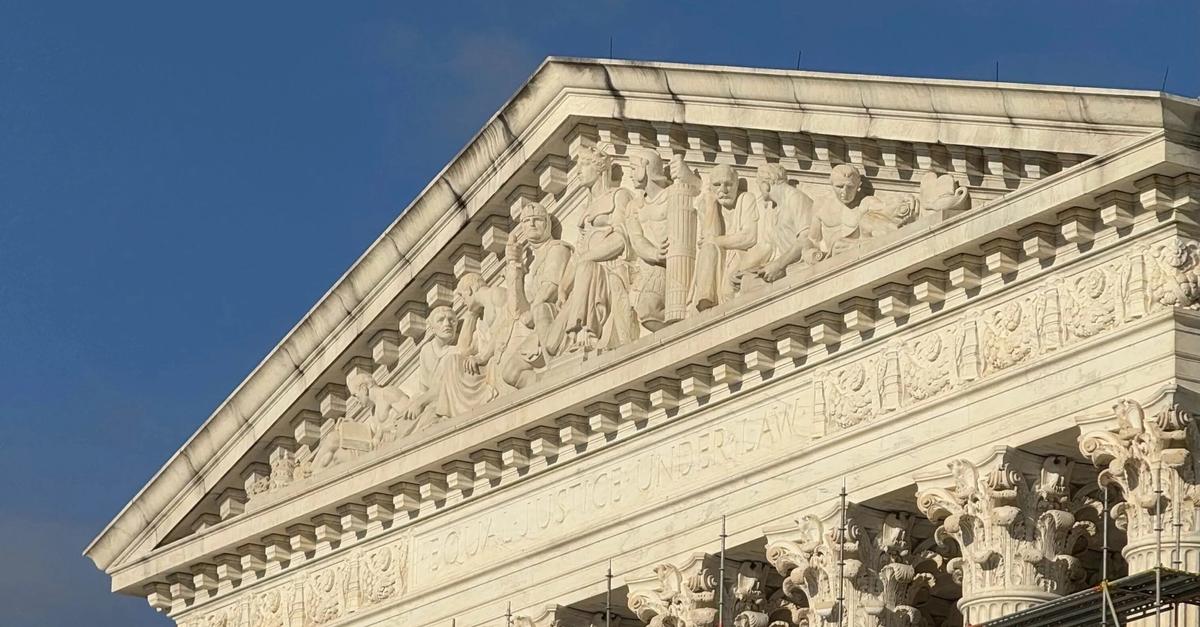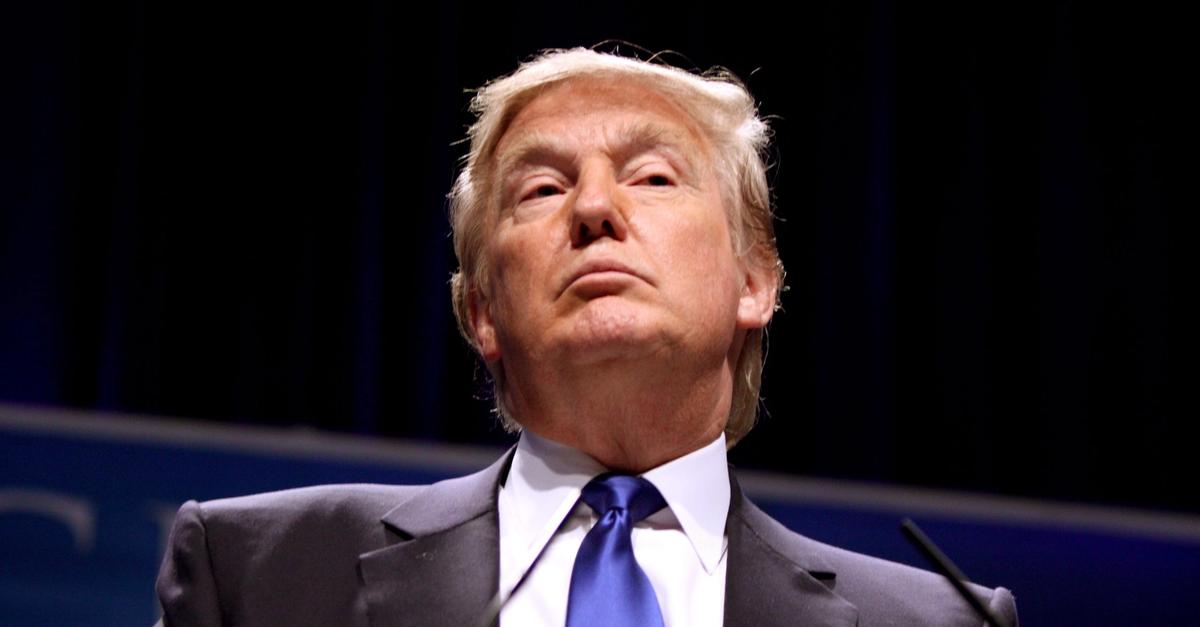
The Supreme Court justices met privately on Thursday, a ritual as old as time, and yet, the E. Jean Carroll case, the one everyone’s been watching for months, wasn’t on the table. Again.
It’s been fully briefed since January, a dusty tome sitting on the clerks’ desks, gathering virtual dust, while Trump’s legal team tries to wiggle out of a $5 million jury verdict. This isn’t just any verdict; it’s the one stemming from Carroll’s claims of sexual abuse and defamation, a case that has already seen a federal appeals court uphold the jury’s findings. You’d think the highest court in the land would have something to say about it, but no.
The Same Old Song and Dance
Remember back in November 2025? Trump’s team trotted this appeal to the Supremes, arguing – you guessed it – that Carroll’s lawyers shouldn’t have been allowed to bring in testimony from other accusers or that embarrassing “Access Hollywood” tape. Because obviously, context and pattern are just too much for justice to handle.
Carroll’s side, naturally, told the court to just say no. Their argument? Even if some evidence was questionable, the core of her case was solid enough to stand on its own. A reasonable take, one might think, but the Supremes apparently prefer to kick the can down the road.
A Pattern of Postponement
Here’s the kicker: the case was officially sent to the justices for consideration on January 28th, scheduled for a February 20th conference. But a day before that meeting? Poof. Rescheduled. No explanation, just a little notation on the docket, a digital shrug. And then again. And again. Today marks the eleventh time this particular case has been bumped. Eleven.
This relentless rescheduling, this game of judicial hot potato, is frankly bizarre. We’re left to speculate, aren’t we? Is it tied to another, even larger Carroll case? The one where Trump is on the hook for an $83 million verdict? The same one where he’s trying to pull the government into the fray, claiming presidential immunity for statements made while he was president? It’s a legal labyrinth designed to exhaust everyone but the guy at the center of it all.
The real question here isn’t just why they’re delaying, but who benefits from this endless deferral. It certainly isn’t Carroll, who’s been waiting for finality. And while Trump might see it as a win, what does it say about the court’s own processes when a high-profile, fully briefed case can be punted into oblivion eleven times?
Carroll urged the court to deny review. She emphasized that even if the jury should not have been allowed to consider the evidence, it ultimately would not have made a difference because of the rest of her case was so strong.
My take on this protracted delay? It smells less like thoughtful deliberation and more like a strategic maneuver. The longer this goes on, the more the original findings risk becoming old news, the evidence a little fainter, the public’s attention a little more scattered. It’s a tactic as old as time, and one that, unfortunately, often works.
What Does This Mean for the Legal Landscape?
Beyond the circus surrounding Donald Trump, this ongoing indecision from the Supreme Court has broader implications for legal AI, for the tools and analyses we rely on. When the highest court in the land can’t seem to make a decision on a case that’s been thoroughly argued, it breeds uncertainty. For legal tech, for AI developers building tools to predict outcomes or analyze precedent, this kind of delay creates noise. It muddies the waters.
We’re talking about systems that are designed to process information, to identify patterns, to offer insights based on past judicial behavior. But when a case like this, with such a high public profile and significant financial stakes, gets repeatedly kicked down the road, what does it teach the algorithms? It teaches them that certainty is elusive, that outcomes can be indefinitely postponed, and that sometimes, the most impactful legal strategy might just be… waiting.
This isn’t about the merits of the Carroll case itself, but about the process, or lack thereof. It raises questions about judicial efficiency, about the tools we use to understand the law, and about the perception of fairness when justice appears to be perpetually deferred.
When did the Supreme Court start acting like a landlord trying to avoid a tenant dispute? It’s a valid question. This isn’t just about Trump; it’s about the credibility of the judicial process itself.
🧬 Related Insights
- Read more: Cornell FedSoc Rolls Out the Red Carpet for Amy Wax’s Grievance Rant
- Read more: 58% of Admissions Officers: U.S. News Law Rankings Are Losing Their Grip
Frequently Asked Questions
What is the E. Jean Carroll case about? It involves journalist E. Jean Carroll’s allegations that Donald Trump sexually assaulted her in the 1990s and subsequently defamed her. A jury found Trump liable for sexual abuse and defamation, awarding Carroll $5 million.
Why is the Supreme Court involved? Donald Trump is appealing the $5 million verdict against him. His legal team is asking the Supreme Court to review the case, arguing that certain evidence presented at trial should not have been allowed.
Has the Supreme Court made a decision yet? No. The Supreme Court has repeatedly postponed its decision on whether to hear Trump’s appeal, rescheduling the case at least 11 times since it was initially distributed for consideration.