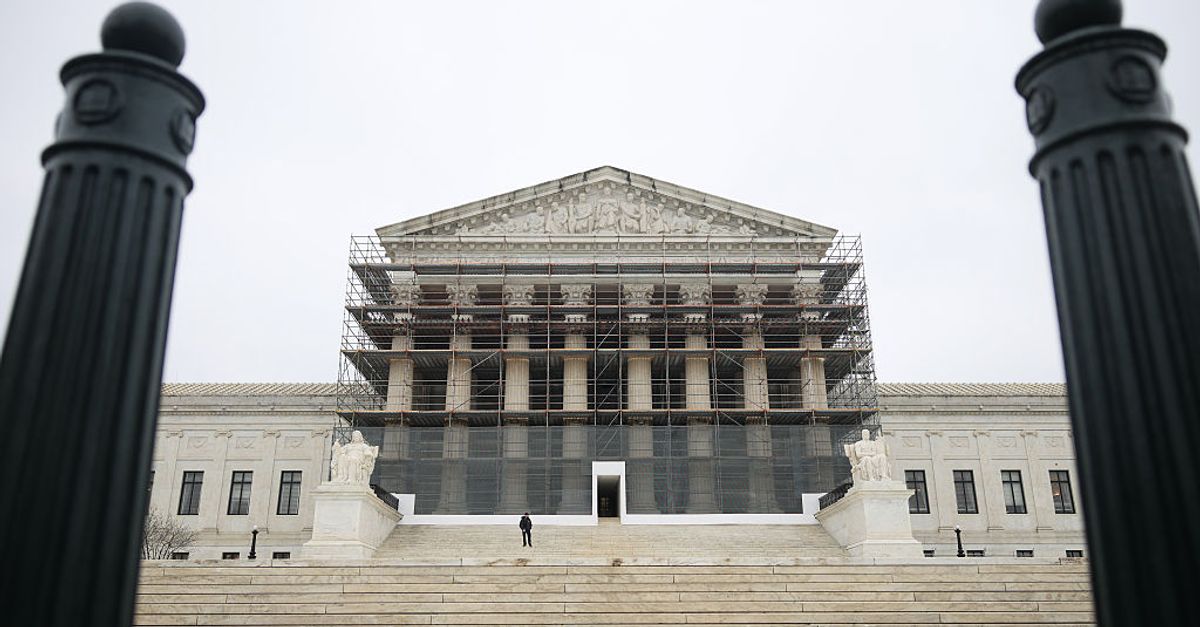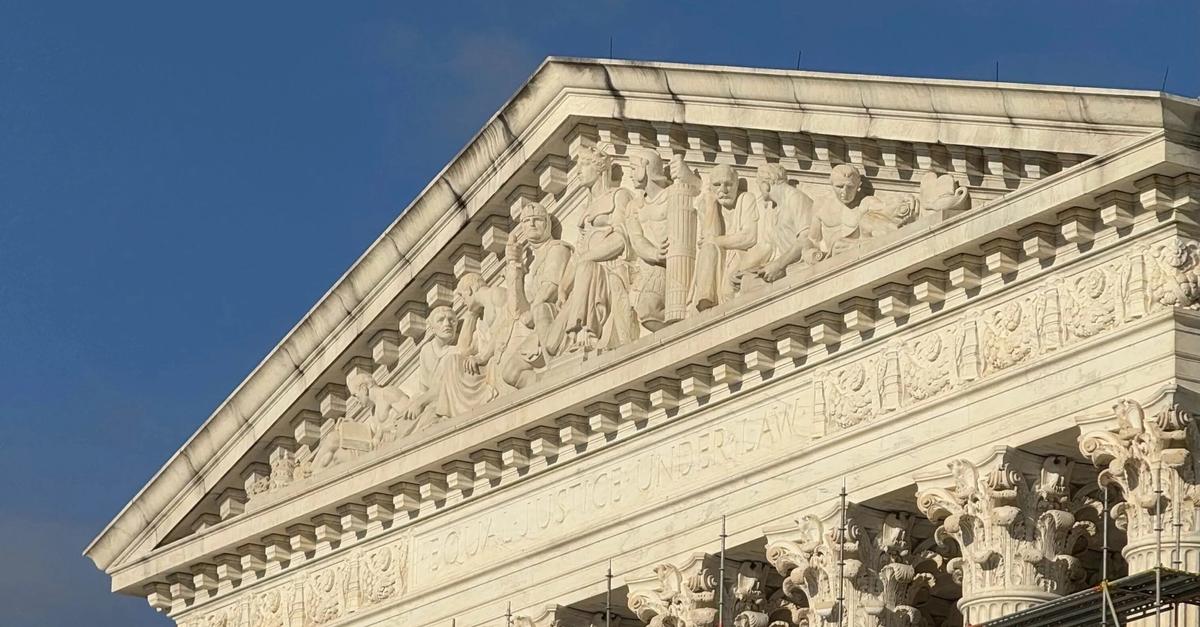
The Supreme Court’s Monday was anything but quiet, with decisions impacting redistricting battles and the availability of a key abortion medication. These rulings don’t just concern legal scholars; they directly affect everyday Americans’ rights and representation.
Redistricting Battles Intensified
Look, the Supreme Court just cleared the path for Alabama to use its 2023 congressional map, a map that a lower federal court had previously slapped down for effectively disenfranchising Black voters. Instead of a definitive ruling, the justices punted. They vacated the lower court’s injunction and sent it back for reconsideration, citing their own recent decision in Louisiana v. Callais. This isn’t a win for voting rights advocates, not by a long shot. It’s a strategic delay, a nod to procedural arguments that ultimately allows the potentially discriminatory map to stand for now, leaving voters in limbo and election integrity under a cloud.
Abortion Pill Access Hangs in the Balance
Meanwhile, the fight over mifepristone, the abortion pill, continues its drawn-out judicial odyssey. Justice Samuel Alito, acting on requests from Danco Laboratories and GenBioPro, has issued a temporary pause on a 5th Circuit Court of Appeals ruling that would have restricted access to the drug, mandating in-person dispensing only. This pause, originally set to expire Monday, has been extended again. It’s a temporary reprieve, a bureaucratic holding pattern that underscores the precariousness of reproductive healthcare access. The legal maneuvering creates uncertainty, making it harder for providers and patients alike to navigate the complex landscape of medication abortion.
Presidential Frustration with the Bench
It’s not just about specific cases; it’s about the perceived judicial landscape. Donald Trump, never one to shy away from expressing his opinions, took to Truth Social to voice his displeasure with Justices Neil Gorsuch and Amy Coney Barrett. He feels their votes against his tariff policies were detrimental to the country. “How do I reconcile this?” he asked, lamenting that appointees have “hurt our Country so badly!” This public critique of sitting justices — a move few former presidents would dare — highlights a growing trend of politicized judicial appointments and the public’s expectation of judicial loyalty, a concept that fundamentally clashes with the ideal of an independent judiciary. Trump’s expectation that appointees should consistently rule in his favor is, frankly, absurd.
Shifting Tariff Strategies and Judicial Roadblocks
The Times paints a clear picture of Trump’s evolving — or perhaps, just shifting — tariff strategy. Faced with judicial setbacks, including a Supreme Court ruling last week that struck down a 10 percent import tax as exceeding presidential authority, the administration is now exploring other avenues. This back-and-forth, where one ruling is met with a new legal maneuver, showcases a determined, albeit perhaps legally questionable, approach to trade policy. It’s a legislative game of whack-a-mole, with courts serving as the intermittent, yet persistent, referees.
The Death Penalty and Intellectual Disability Questions
In Texas, a planned execution has been halted due to concerns about intellectual disability. Judge Stephen A. Higginson cited potential impacts from a pending Supreme Court case, Hamm v. Smith, which could redefine how courts assess intellectual disability in death penalty cases. This case, originating in Alabama, focuses on the cumulative effect of multiple IQ tests. The underlying issue here is deeply human: how do we ensure capital punishment is reserved for those fully capable of understanding their actions and the legal ramifications? The complexity of intelligence assessments, combined with varying legal standards, creates a thorny path for justice.
A Retired Justice’s Call to Action
Retired Justice Stephen Breyer, in a reflection on America’s founding ideals, urges everyday citizens to actively participate in ensuring the nation lives up to its promises. He emphasizes that the principles of liberty, equality, and consent of the governed are not static; they require ongoing effort. Breyer’s sentiment is a crucial reminder that the health of our democracy, and the effectiveness of our legal system, depends on engaged citizenship, not just on pronouncements from the bench.
FAQs
What does the Supreme Court’s decision on Alabama redistricting mean for voters?
It means the 2023 congressional map will likely be used for now, despite concerns it dilutes Black voting power. The case is sent back to a lower court, creating uncertainty and potential delays in achieving equitable representation.
Will the temporary pause on mifepristone restrictions affect my access to the abortion pill?
Not immediately. The pause extends access, but the ongoing legal challenges mean the situation could change. Patients seeking mifepristone should consult with healthcare providers for the most current information.
Why is Donald Trump criticizing Supreme Court justices?
Trump expressed disappointment that Justices Gorsuch and Barrett voted against his administration’s tariff policies, which he viewed as detrimental to the country. His comments highlight his expectations of loyalty from his appointees.