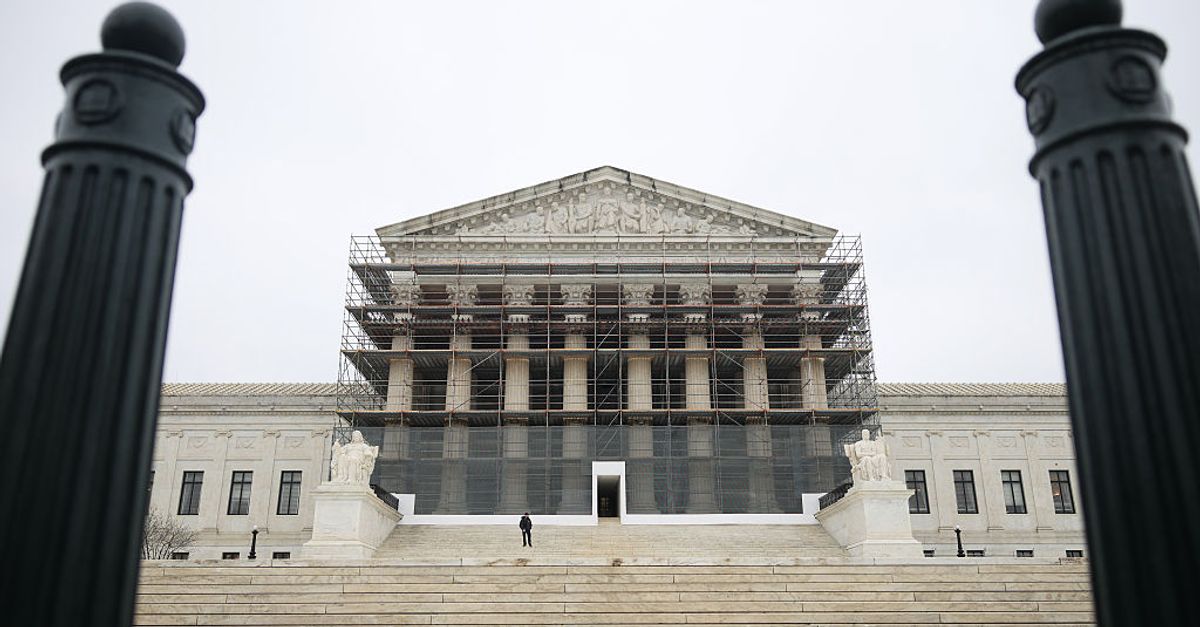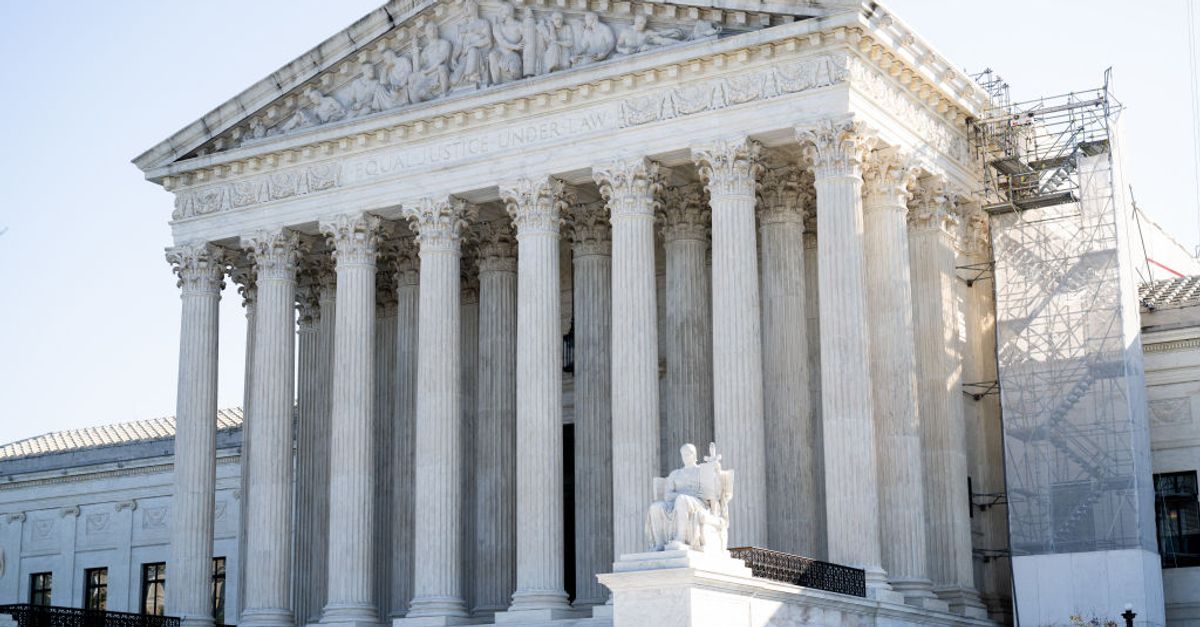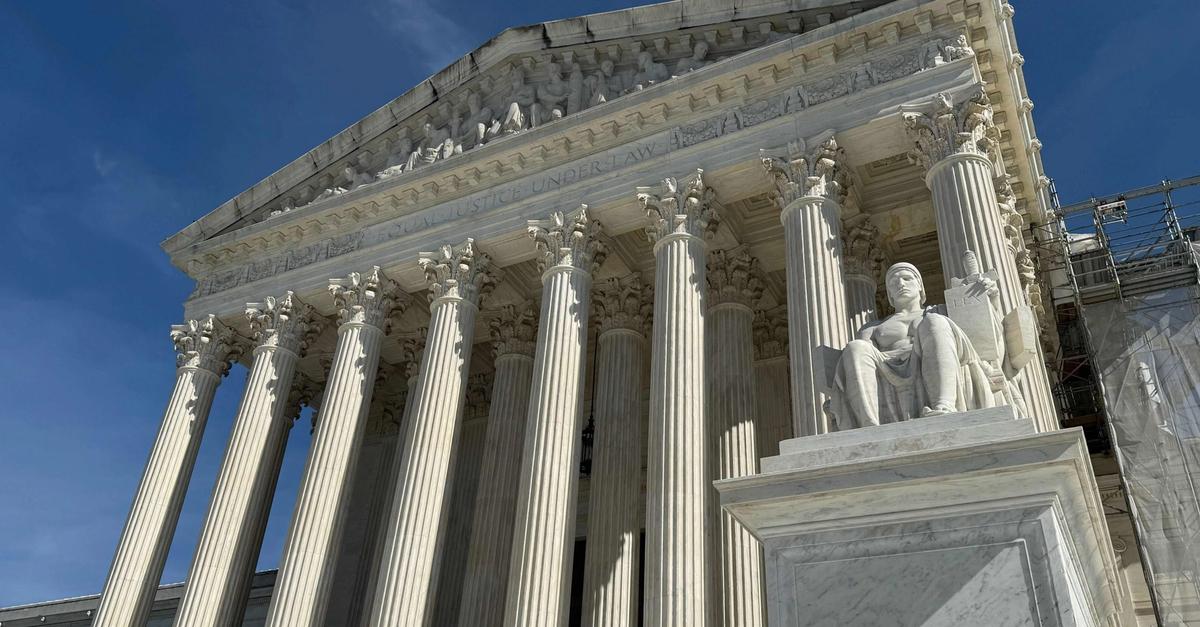
Just when you thought the Supreme Court might actually wade into the thorny issue of intellectual disability and capital punishment, it pulls the rug out. Bam. Case dismissed. And not even with a polite “we’ve reconsidered.” No, they called it “improvidently granted.” That’s lawyer-speak for “oops, we made a mistake agreeing to hear this.”
Here’s the thing: Joseph Smith has been on Alabama’s death row for over two decades. Twenty years. And the core of his argument, rooted in the 1997 Atkins v. Virginia decision, is that he’s intellectually disabled and therefore, under the Eighth Amendment, immune to execution. A federal appeals court agreed. Alabama, predictably, lost its collective mind and appealed to the Supremes.
The IQ Conundrum
So, what’s the beef? It’s all about the numbers, or rather, the interpretation of them. Smith’s IQ scores bounced around between 72 and 78. For those not fluent in the arcane world of capital defense, the legal line for intellectual disability often hovers around an IQ of 70, with a margin of error. Alabama’s argument, in a nutshell, was that the lower court got too hung up on individual scores, ignoring the cumulative effect. They wanted the Supreme Court to rubber-stamp their preferred method of averaging or weighing these scores.
Smith, naturally, countered that they weren’t relying on one magic number. They presented a “broad array of evidence.” The lower courts, including the 11th Circuit, agreed that Smith showed significant subaverage intellectual function, deficits in adaptive behavior, and that these issues manifested before he turned 18. All classic Atkins criteria.
“the Eighth Amendment does not prescribe a single formula for weighing multiple IQ scores.”
Justice Sotomayor, writing for the majority that agreed to dismiss the case, basically said the lower courts didn’t get bogged down in the how of combining IQ scores. The state wanted a specific rule, a golden algorithm for IQ interpretation. Sotomayor pointed out that the lower courts didn’t adopt a specific method, nor did they need to. More importantly, she noted, states already have the primary role in defining these standards. And Alabama’s proposed rule? Apparently, no other state or federal court has adopted it. So, the Supremes decided to let the states figure it out themselves. For now.
A Dissenting Chorus
Of course, this didn’t sit well with everyone. Justices Alito and Thomas, predictably, penned lengthy dissents. Thomas, in his own 16-page screed, seemed to yearn for the days when the Court would just dive headfirst into these complex issues, rather than kicking them down the road. Alito joined Thomas, with Roberts and Gorsuch chipping in for part of it. They wanted to hear arguments, to lay down a definitive rule.
Their frustration is understandable, in a way. The Supreme Court’s role is often to clarify, to settle disputes. But here, they’ve opted for ambiguity. It’s a classic Supreme Court move: punt. Especially when the issue gets messy and involves differing scientific opinions and state-by-state variations. It’s easier to say “not now” than to craft a rule that might prove unworkable or politically unpopular.
This ruling, or lack thereof, leaves the assessment of intellectual disability in capital cases in a state of flux. It means Alabama’s man-on-death-row remains on death row, but the legal battle over how IQ scores are used continues. It’s a win for Smith, but a frustrating non-decision for the Court itself. They sidestepped a chance to provide clarity, instead opting to let the lower courts and individual states continue their often-uneven dance with Atkins.
Why Does This Matter for Legal AI?
This isn’t just about Alabama and Joseph Smith. This is a meta-issue for any legal AI aiming to assist in capital defense or any litigation involving complex scientific or medical data. If the highest court in the land can’t — or won’t — decide on a consistent way to interpret data points like IQ scores, what hope does an AI have of creating a universally applicable framework? Legal AI often relies on established precedent and clear methodologies. When precedent itself is fuzzy, and methodologies are contested at the highest levels, it creates significant challenges for developing reliable AI tools. Lawyers might be using AI to analyze past cases, but if the interpretation of the core evidence is subject to such judicial indecision, the AI’s output could be, at best, illustrative and at worst, misleading. The legal tech world needs clear signals from the judiciary, not more judicial shrugs.
Alabama’s Next Move?
Alabama could try to get another court to clarify the issue, but the Supreme Court has signaled it’s not their immediate problem. They could also try to reframe the argument and bring it back up later, but that’s a long shot. For now, Smith’s death sentence stands, thanks to the 11th Circuit and the Supreme Court’s decision to punt.
🧬 Related Insights
- Read more: OpenAI Aims for September IPO: A New Era Dawns
- Read more: Indefinite ‘About’: Patent Claims Invalidated in pH Dispute [Legal AI]
Frequently Asked Questions