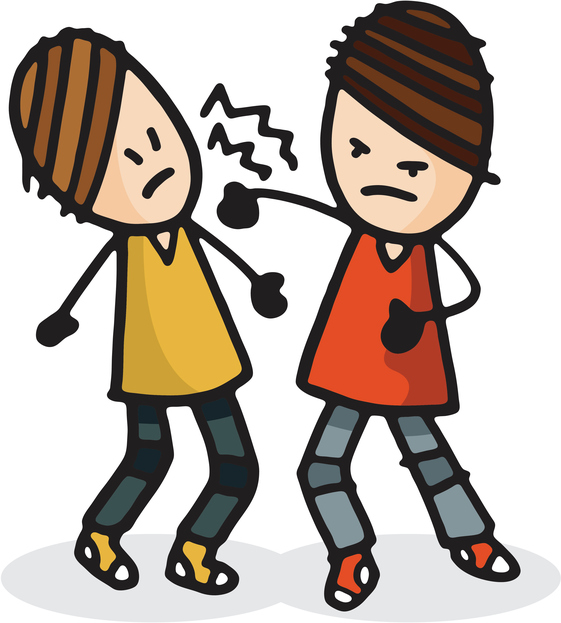
When a judge delivers a sentence, it’s not just the defendant who reels. Sometimes, the fallout hits closer to home—literally, across the courtroom. For one Houston lawyer, this wasn’t a metaphor; it was a physical assault, allegedly from his own client, immediately after that client received a 50-year sentence. It’s a visceral reminder that while we obsess over algorithmic justice and courtroom efficiency, the human element, in all its unpredictable volatility, remains a potent, and sometimes dangerous, factor.
This isn’t about the intricacies of statutory interpretation or the fine print of evidence. This is about the raw, guttural reaction to perceived injustice, a primal scream against the machinery of law. The ABA Journal’s account, detailing a defense attorney’s account of being ‘out’ after his client allegedly struck him, forces us to confront the messy, unpredictable reality that legal proceedings can unleash. It’s a scene straight out of a legal drama, but stripped of its cinematic gloss, it’s simply disturbing.
Is This A Predictable Outcome of Harsh Sentencing?
Federal borrowing caps tightening financing options for law students? That’s the kind of systemic issue that can be modeled, analyzed, and potentially mitigated with data. But the sheer, unadulterated rage of a defendant facing decades behind bars? That’s a variable far more difficult to quantify. While the ABA Journal rightly points out that such outbursts are rare, the fact that they do occur—and were even captured in a viral moment involving more “jumping” previously—suggests a persistent undercurrent of potential violence that any legal professional, human or otherwise, must contend with.
When we talk about the future of law, the conversation often gravitates toward AI’s ability to parse complex documents, predict case outcomes, or even draft motions. We envision sleek interfaces and lightning-fast analysis. But what happens when the most unpredictable variable isn’t a loophole in a statute, but a person’s volatile emotional state? The idea of an AI, no matter how sophisticated, navigating the potential for a physical lashing after delivering bad news feels… aspirational, at best.
“At that point apparently, I was out. My client hit me in the face. People in the courtroom said I fell back in the chair, hit a counter and apparently fell to the ground.”
This quote from Houston lawyer John Petruzzi paints a stark picture. It’s not just about a failed defense; it’s about the attorney becoming the unintended target of a client’s despair and fury. It’s a dramatic departure from the courtroom’s expected decorum, a stark illustration of how real people react when their lives are on the line and the verdict is not in their favor.
Where Does AI Fit Into This Human Chaos?
Here’s the thing: AI proponents often tout its capacity to remove human error and bias. And yes, for many procedural and analytical tasks, this is undoubtedly true. AI can sift through evidence faster than any human, identify patterns invisible to the naked eye, and operate without the fatigue or emotional baggage that can cloud human judgment. But this incident, however extreme, serves as a potent counterpoint. It highlights that the legal system isn’t just a series of logical operations; it’s a deeply human enterprise, rife with emotions, stakes, and unpredictable reactions.
Will AI be able to de-escalate a courtroom when a verdict drops? Will it be programmed to detect the subtle tells of an impending outburst and, if so, how will it respond? These aren’t questions about processing power; they’re about understanding and predicting human behavior in its most charged moments. The legal profession has always demanded resilience, not just intellectual rigor. This case reminds us that sometimes, resilience means more than just enduring a difficult case; it means surviving the immediate aftermath.
The criminal defense lawyer’s ordeal is a stark, if unusual, reminder that the legal system’s efficacy isn’t solely measured by its efficiency or accuracy, but also by its ability to contain the very human drama it orchestrates. As we push for more AI integration, we must not forget the messy, often irrational, but undeniably real emotional landscape where justice, or its perceived absence, plays out.
🧬 Related Insights
- Read more: How Does AI Liability Work?
- Read more: Musk v. OpenAI: The AGI Trust Battle Hits Court
Frequently Asked Questions
What happened to the defense attorney? The defense attorney, John Petruzzi, was allegedly punched in the face by his client, Jaquarius Lewis, immediately after the client received a 50-year sentence. Petruzzi stated he was knocked unconscious and fell to the ground.
Is this a common occurrence in courtrooms? While publicized incidents are rare, violent reactions to verdicts, though not common, are not unheard of in courtrooms. This event, like others that have gained viral attention, highlights the potential for extreme emotional responses from defendants facing unfavorable outcomes.
How might this affect the use of AI in law? This incident underscores the limitations of current AI in handling the unpredictable emotional and psychological aspects of legal proceedings. While AI can enhance efficiency and analysis, it cannot replicate human intuition for de-escalation or address the raw emotional fallout of courtroom decisions, posing a challenge for full AI integration in high-stakes human interactions.