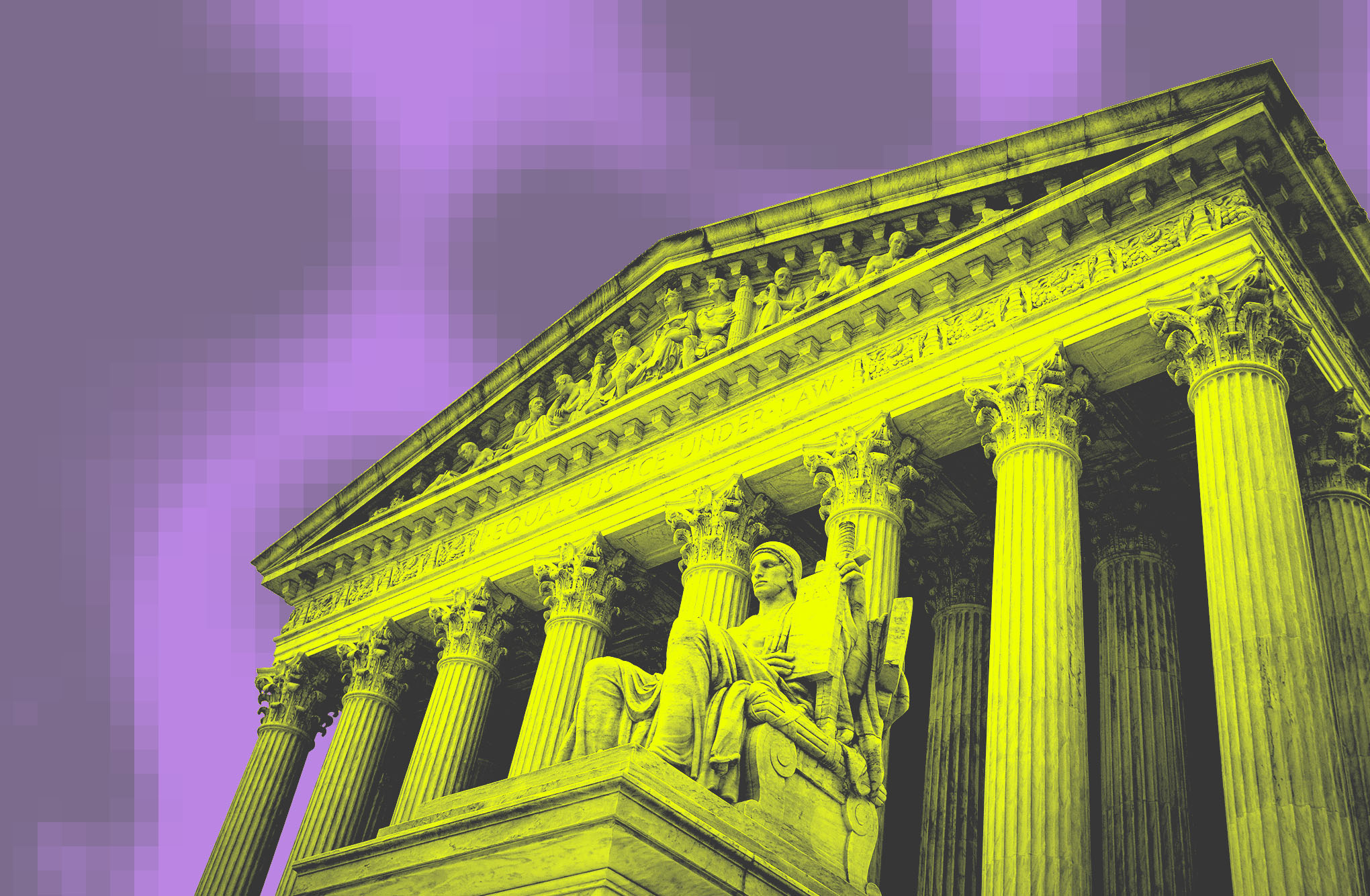
Black coffee steaming in a Foggy Bottom cafe, I hit refresh on How Appealing, Howard Bashman’s appellate mothership, and there it is: the Supreme Court’s growing allergy to transparency.
The How Appealing Weekly Roundup doesn’t pull punches. Adam Liptak’s New York Times piece leads the charge: justices dodging explanations for recusals, mirroring their shadowy emergency orders. It’s not just annoying—it’s a red flag for anyone betting on this court to referee tech’s thorniest fights, like AI bias lawsuits or data privacy showdowns.
Look.
Over a decade of data shows patterns. Justices recuse without a whisper. Why? Conflicts? Laziness? Or something juicier, like those undisclosed gifts we’ve heard whispers about? Liptak nails it:
“Supreme Court Secrecy Includes Reasons for Recusal; Justices often don’t disclose why they disqualify themselves from hearing cases; Their silence echoes the court’s unexplained emergency orders.”
That’s the headline that sticks. And in legal tech, where firms scrape every docket for predictive analytics, this opacity kills models. Garbage in, garbage out.
Why Do Justices Hide Their Recusal Reasons?
Here’s the thing—they don’t have to tell. No code of ethics mandates it, unlike lower courts. Remember the ProPublica bombshells on Thomas’s yacht parties? Crickets from the bench. Now Sotomayor’s out there urging women to “lead with passion”—Williesha Morris caught that in Alabama Media Group—but passion won’t fix structural rot.
One short paragraph on passion? Fine. But zoom out: this court’s emergency docket during COVID, shadow-docketed rulings flipping elections or abortion rights, no explanations. Tech parallels? Think black-box algorithms at OpenAI—decisions without audit trails. Law firms peddling AI docket predictors (that “report” teased in the roundup, arming teams with decade-long data for workplace disputes) hit a wall here. Who’s making money? Not us skeptics. The vendors selling half-baked risk assessments.
But wait—Richard L. Hasen warns in MS Now:
Could the Supreme Court Upend Midterm Elections?
Three ways, he says. District gerrymanders. Campaign finance loopholes. Mail-in ballot eligibility. Picture AI deepfakes flooding races—will this court, fresh off rejecting civil rights claims, draw lines?
Nah. Justin Jouvenal’s Washington Post analysis stings: Trump’s remade court, first since the ’50s, boots women and minorities’ claims in most cases. Historic defeats. My unique take? This echoes the FCC’s net neutrality flip-flop under Pai—corporate capture disguised as jurisprudence. Bold prediction: when AI discrimination hits SCOTUS (think facial rec hiring tools), expect 6-3 stomps for Big Tech. Ethics? What ethics?
Immigration purge next. NYT’s team—Nehamas, McCann, Rich, Ulloa, Aleaziz—details Trump’s squeeze on judges: deport or else. Unprecedented. Ties to tech? H-1B visa fights loom, AI firms hooked on immigrant talent. If judges fold under pressure, expect deportation waves hitting Silicon Valley coders.
And the dish? Jay Willis at Balls & Strikes: Sotomayor’s racial profiling dissent signals colleagues’ Kavanaugh exhaustion. “Brett Kavanaugh’s Colleagues Are Getting Awfully Tired of Brett Kavanaugh.”
“Justice Sonia Sotomayor’s comments about the Supreme Court’s recent racial profiling case are just more evidence that Kavanaugh’s colleagues kind of hate his guts.”
Oof. Interpersonal fractures on a nine-person court? Recipes for more 5-4 splits, unpredictability spiking legal tech volatility indexes.
So, who profits? Boutique firms running amok with that data report—“equips law firms and corporate legal teams with actionable insights.” Smells like paywalled whitepaper bait. Bashman’s roundup, free and sharp, cuts through.
Twenty years in, I’ve seen Valley hype cycles crash. Courts aren’t different. PR spin calls it “judicial independence.” I call bullshit—independence from accountability?
Legal AI Beat readers, track this. Supreme Court opacity bleeds into your tools. Predictive justice? Dream on, until recusals get sunlight.
What’s Next for This Battered Bench?
Sotomayor’s passion plea feels quaint amid routs. Election cases? They’ll carve for donors. Civil rights? Already bleeding. Immigration? Accelerated churn.
Kavanaugh fatigue—gossipy, sure, but signals deeper rifts. Liberals dissenting harder; conservatives plowing ahead.
Tech angle: AI governance hangs by threads. This court won’t ethics-check your models. They’ll bless ’em, if Big Tech foots the bill.
Bashman’s roundup reminds: appellate world turns fast. Check How Appealing weekly. Skip the spin.
**
🧬 Related Insights
- Read more: EU’s AI Office Drops Fat Salaries for Legal Hired Guns – Skeptical Eyes on the Fine Print
- Read more: Sotomayor’s Dissent Fire: AI Law’s Next Battleground
Frequently Asked Questions**
What causes Supreme Court recusal secrecy?
Justices aren’t required to explain disqualifications, fueling speculation on conflicts or gifts—no binding ethics code forces transparency.
How has Trump changed the Supreme Court?
Appointees lead to majority rejections of civil rights claims, first since the 1950s, per Washington Post analysis.
Will Supreme Court election cases affect 2024?
Possibly—gerrymandering, finance, ballots in play, per election law prof Richard Hasen.