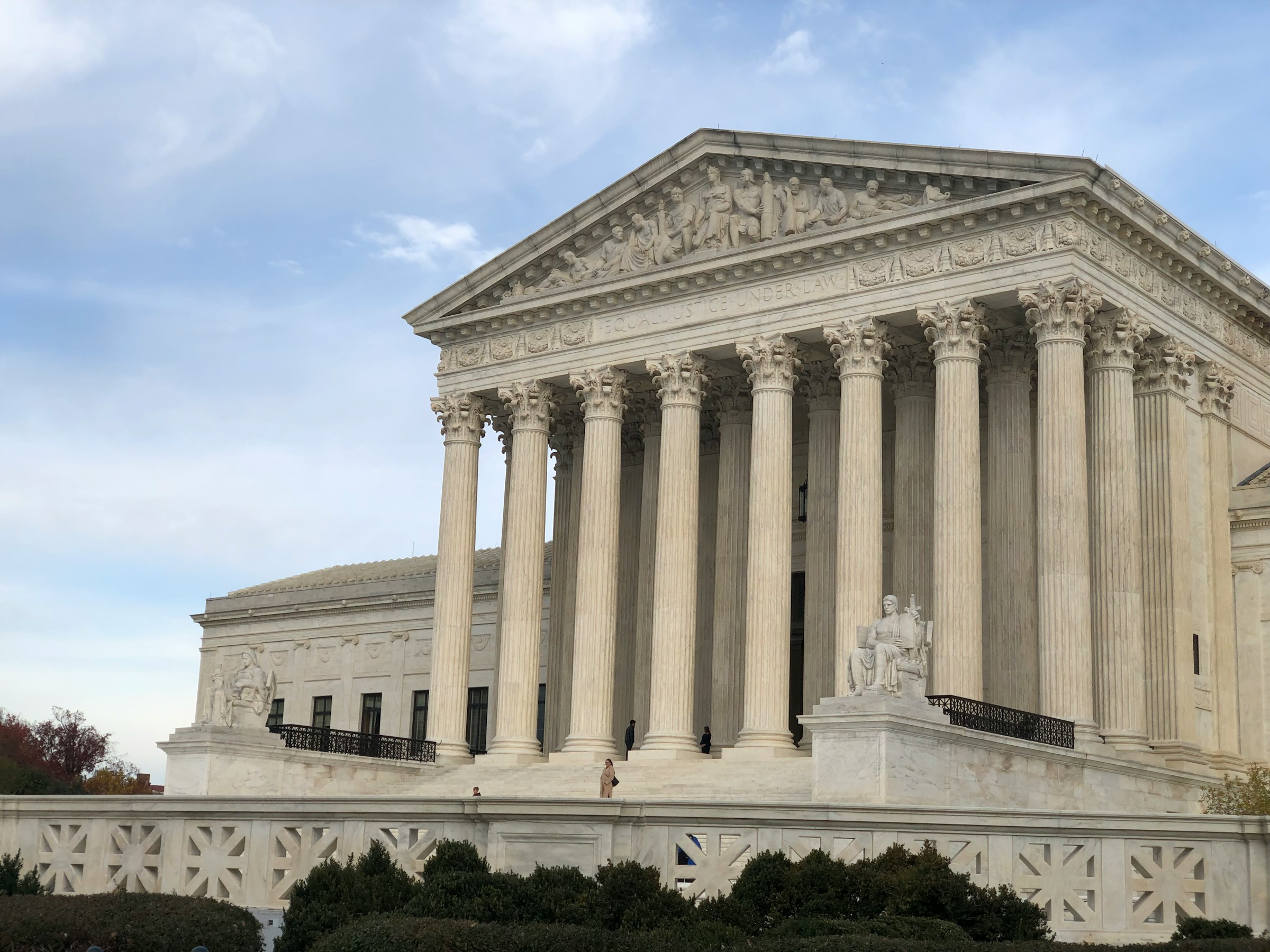
When did the Supreme Court become less a temple of justice and more a hotbed of gossip and thinly veiled political theater? It’s a question that’s been simmering for a while, but Justice Neil Gorsuch’s recent lament about leaks brings it to a rolling boil.
He’s out there, on television no less, talking about the need for justices to have “candid conversations” so they can “find those places where we can reach agreement.” You know, the kind of quiet deliberations you’d expect from the highest court in the land. But here’s the rub: who’s he talking to? Because the leaks we’ve been seeing lately aren’t subtle whispers; they read more like a collective middle finger to the institution, a digital equivalent of “LOL, suck it!” to the outside world.
It makes you wonder if Gorsuch’s plea is less about protecting the sanctity of judicial deliberation and more about optics. After all, when the public perception of the court is teetering, a call for civility and secrecy sounds a lot better than admitting the wheels are coming off.
Beyond the Gorsuch kerfuffle, the legal world is a messy, interconnected web, and this week’s dispatches paint a fascinating, if sometimes alarming, picture.
Todd Blanche, representing Donald Trump, has, perhaps inadvertently, handed the DOJ a peculiar gift on a silver platter. By pontificating on television that the Department of Justice won’t prosecute other individuals who spoke at the January 6th events, he’s essentially handed prosecutors a blueprint for selective prosecution claims. It’s the kind of PR misstep that leaves you shaking your head, wondering if the defense strategy is less about legal arguments and more about performance art.
Speaking of questionable strategies, there’s a prosecutor out there who allegedly botched a legal theory in an indictment and is reportedly so fixated on earning Trump’s favor that he’s, get this, dressing up like him. This isn’t just a PR nightmare; it’s a deep dive into the psychology of political alignment within the justice system. When personal ambition eclipses professional integrity to this degree, it raises serious questions about the impartiality of the proceedings.
And then there are the lawyers. Always the lawyers. We’ve got a case of a lawyer being fined for showing up to court drunk. While a regrettable incident, it’s a stark reminder that even in the hallowed halls of justice, human fallibility—and poor decision-making—can lead to spectacularly public failures.
But the real shift, the undercurrent that’s been building for years, is the increasing tendency for BigLaw attorneys to take serious allegations to social media rather than going through internal HR channels. This isn’t a random trend; it’s a symptom of a legal industry that’s becoming increasingly insular. As the path to equity partnership tightens, and firms become more closed-off, employees might feel they have no recourse but to air their grievances publicly. It’s a breakdown of internal trust, facilitated by the internet’s amplification power.
Spirit Airlines, meanwhile, managed to provide a masterclass in how not to run an airline, simultaneously crashing and, by sheer virtue of the ensuing chaos, turning every Twitter user into an instant antitrust expert. It’s a funny kind of democracy we live in, where widespread consumer frustration can momentarily democratize complex legal theory.
Finally, the FTC is nudging states to consider severing ties with the ABA as the law school accreditor. This move, if it gains traction, could fundamentally alter the landscape of legal education. The ABA’s role as gatekeeper has long been a cornerstone, and any significant challenge to that could unleash a wave of innovation—or chaos—in how lawyers are trained and certified.
These aren’t isolated incidents; they’re signals. Signals of a legal profession grappling with its public image, its internal structures, and its place in an increasingly transparent, and often unforgiving, digital world. The Gorsuch leak, while seemingly about court decorum, is perhaps just the most visible ripple in a much larger pond of institutional stress.
Is the Supreme Court Losing its Cool?
Justice Gorsuch’s public comments about leaks signal a deeper concern than just an occasional slip of paper. When a Supreme Court justice feels compelled to address leaks on television, it suggests a level of institutional discomfort that goes beyond mere annoyance. The very idea of “candid conversations” implies a desire for an unvarnished exchange of ideas, a space where justices can hash out complex legal issues without fear of public scrutiny or political fallout. However, the nature of recent leaks—often framed as more performance art than genuine insight—challenges the notion that these are simply accidental disclosures. It points to a potential disconnect between the Court’s internal functioning and its external perception, a gap that Gorsuch’s plea attempts to bridge, albeit with a rhetorical flourish that feels slightly out of step with the perceived reality of the leaks themselves.
The Social Media Fallout for BigLaw
The migration of serious allegations from law firm HR departments to public social media platforms is a telling indicator of a growing distrust in internal grievance mechanisms within BigLaw. When attorneys, particularly those aspiring to partnership, feel that their concerns about harassment, discrimination, or ethical breaches are not being adequately addressed through traditional channels, the digital public square becomes their forum of last resort. This shift is fueled by several factors: the perceived opacity of partnership tracks, the fear of retaliation, and the sheer viral power of social media. Firms that fail to adapt their internal policies and foster a genuinely transparent and responsive culture risk not only reputational damage but also a significant drain on talent and morale. It’s a modern dilemma where the court of public opinion can, and often does, render its verdict long before any internal investigation concludes.
What Does Gorsuch’s Leak Complaint Mean?
Justice Gorsuch’s public remarks on Supreme Court leaks, while framed as a call for more confidential deliberations, may also be interpreted as a strategic attempt to manage public perception amid growing criticism of the Court’s legitimacy. By emphasizing the need for “candid conversations” to “reach agreement,” he’s subtly pushing back against narratives of deep ideological division and dysfunction. The hope, presumably, is that by highlighting the desire for collegial discussion, the Court can project an image of reasoned deliberation, even if the actual leaks suggest otherwise. It’s a form of institutional damage control, leveraging the gravitas of a Supreme Court justice to restore faith in the process.