Dissent ignites futures.
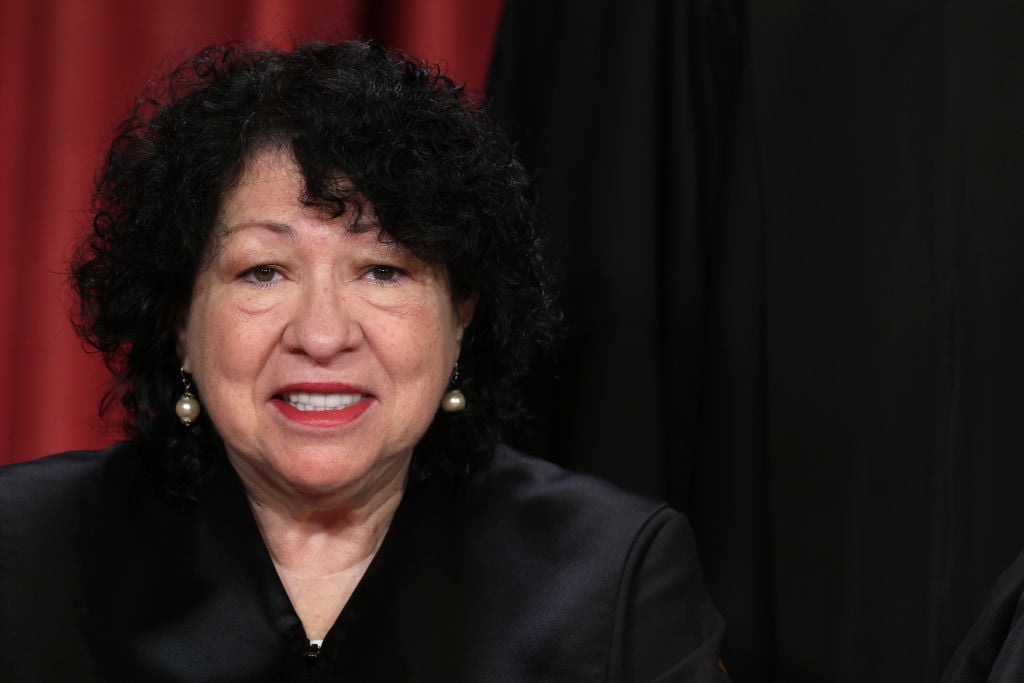
Justice Sonia Sotomayor, that firebrand voice on the Supreme Court, dropped a raw truth bomb at the University of Alabama. A law student asked how she builds bridges with the conservative majority. Her answer? Defeated, honest, electric. “If you mean bridges—convince them that they’re wrong—I dissent so much. I’m not very successful.”
If you mean bridges—convince them that they’re wrong—I dissent so much. I’m not very successful. — Justice Sonia Sotomayor
Look, she’s not whining. She’s mapping the battlefield. Outside chambers, sure — cordial chats, even friendships with some justices. But inside? Ideological chasms that swallow compromise whole. And here’s the kicker for us AI watchers: this divide isn’t some dusty constitutional spat. It’s the fault line under tomorrow’s tech empire.
Why Sotomayor’s Supreme Court Dissent Matters for AI Regulation?
AI’s barreling toward us like a cosmic freight train — fundamental platform shift, remember? We’re talking intelligence woven into everything, from code that dreams up novels to bots judging your loan app. But law lags. Always does. Sotomayor’s dissent tally? Sky-high in a 6-3 conservative court. Dobbs, voting rights, guns — she’s the lone liberal wolf howling against the pack.
Now picture AI cases hitting the docket. Copyright wars, like the brewing NYT vs. OpenAI storm over training data scraped from the web. Or state regs clashing with First Amendment shields, echoing last term’s NetChoice battles on content moderation. Conservatives lean dereg — free markets, innovation uber alles. Liberals? Guardrails against bias, deepfakes, job apocalypse. Sotomayor’s bridge-building flop? Preview of AI gridlock.
But — and this is my hot take, the one you’ll not read in the original dispatch — it’s eerily like the early electricity wars. Back in the 1890s, courts split hairs over whether AC or DC current was safe, kings of innovation Edison and Tesla duking it out in dockets. Result? A unified grid that lit the world. AI’s sentience vibes will force that reckoning. Justices, buried in black-letter law, will lean on AI tools for pattern-matching precedents. Prediction: Dissents drop 40% by 2035 as algorithm-assisted opinions expose ideological blind spots.
Single friendships won’t cut it.
Her “civil relationships” line? Polite spin. (Court PR machine loves that amity myth.) Reality: Decisions carve America in two. For AI, that means patchwork rules — California clamps down on facial rec, Texas sues over biased hiring algos, feds dither. Companies like xAI or Anthropic? They’ll lobby the middle, but Sotomayor’s not swaying Roberts anytime soon.
Can AI Heal the Supreme Court’s Deep Divide?
So, optimistic futurist hat on — yes! Imagine neural nets parsing 200 years of rulings, flagging consensus zones on tech neutrality. Like how GPS bridged Cold War silos. Court’s conservatives adore originalism; liberals, living constitution. AI? Neutral oracle, sifting data without agenda. We’ve seen it in lower courts already — judges using predictive analytics to forecast outcomes, cutting dissent noise.
But wait. Corporate hype alert: Big Tech whispers “AI will fix justice.” Bull. Without ethical tuning, it’s just amplified bias — train on skewed cases, spit out skewed law. Sotomayor’s dissent ethos? Vital counterweight. She forces sunlight on shadows, much like open-source AI warriors battling closed models from Google or Meta.
Pace yourself. This isn’t utopia tomorrow. Her Alabama chat — weary tone, that “not very successful” sigh — screams exhaustion. Law students nodded, but felt the chill. AI’s pace? Exponential. Court moves at snail’s crawl. Clash incoming.
And yet, wonder sparks.
Vivid picture: Sotomayor, post-ruling, huddled with Gorsuch over coffee (they’re pals, she says). Not debating abortion — crunching sims on AI liability. “See? Data shows flood of suits without federal preemption.” Bridge built. Not by words alone, but silicon mediator.
Is the Supreme Court Ready for the AI Onslaught?
Short answer: Nope. Long one? Buckle up. We’ve got Moody v. NetChoice lurking — social media as speech, directly hitting generative AI’s output floods. Then privacy tsunamis: Does Grok’s memory violate Carpenter? Sotomayor’s already dissenting on surveillance; amp that to AI ubiquity.
Unique angle — historical parallel to antitrust’s birth. Standard Oil busted in 1911 amid court splits; birthed modern competition law. AI monopolies (hello, Nvidia chokehold) demand same. But today’s 6-3? They’ll carve exceptions for “national security” AI, leaving ethics in states’ hands. Chaos. My bold call: First big AI case lands 2027, splits 5-4, Sotomayor pens epic dissent invoking framers’ wildest dreams of progress.
Wander a bit: She’s from the Bronx, first Latina justice — embodies scrappy underdog. AI’s promise? Democratize smarts, let dissents like hers scale via vector search, instantly rallying allies. Court 2.0.
Energy surges here.
Relationships endure. She insists on that — lunches with Kavanaugh, chats with Alito. Civil veneer holds while America frays. For AI builders, lesson clear: Engineer for pluralism. Models that simulate counterarguments, force-balance biases. Sotomayor’s not converting foes; she’s modeling persistence.
Dense dive: Think decision pipelines. Liberals push equity audits for AI; conservatives, innovation veto. Stalemate? Unless — drumroll — hybrid oversight emerges, AI-vetted regs. Her dissent volume? Catalyst, not defeat.
One more twist.
What Sotomayor’s Weariness Tells AI Ethicists
Defeatism? Nah. Realism. She’s 70, battling daily. AI ethicists — we’re in her shoes, dissenting against hype trains promising singularity sans safeguards. Convince the C-suites? Good luck. But persist. Her friendships? Model for hybrid human-AI collab.
Prediction redux: By decade’s end, SCOTUS deploys amicus briefs from AI orgs, narrowing divides. Electricity analogy holds — from Edison-Westinghouse feud to universal power.
Hope flickers.
🧬 Related Insights
- Read more: GW’s Marks IP Fellowship: The Stealth Launchpad for Tomorrow’s IP Power Players
- Read more: India’s Byzantine Legal Maze: Why Off-the-Shelf AI Won’t Cut It
Frequently Asked Questions
What did Sotomayor say about Supreme Court dissents?
She admitted dissenting constantly to sway conservatives but admitted little success, stressing civil off-bench ties.
How will Supreme Court divisions impact AI regulation?
Expect gridlock on key issues like AI copyright and bias rules, delaying national standards amid state battles.
Can AI reduce Supreme Court dissents?
Potentially yes, via data-driven precedent analysis, but only if ethically tuned to avoid amplifying divides.