Look, for months, the legal tech world has been buzzing with anticipation, expecting big things from AI, sure. We envisioned smarter research tools, more efficient contract review, the usual incremental upgrades. We were thinking about better software. But what if that’s like expecting a better horse-drawn carriage when the automobile is about to roll off the assembly line?
And then, BAM! Greg Brockman, a co-founder of OpenAI, drops this gem on X: “The model is no longer the product.” This isn’t just a strategic pivot; it’s a declaration of intent, a full-on platform shift announcement from the very company that built the engines powering this AI revolution. It’s akin to Ford announcing they’re not just selling cars anymore, but building the roads, the gas stations, and the entire ecosystem that makes car ownership a reality. OpenAI isn’t just giving us clever language generators; they’re building the infrastructure upon which countless new legal applications will be built, far beyond just coding. And this comes right on the heels of whispers about their impending, colossal IPO. This is them telling the world, loud and clear: we’re more than just a chatbot factory; we’re charting the course for the next generation of digital everything.
Is This the End of the Lawyer as We Know Them? (Spoiler: No, But It’s Complicated)
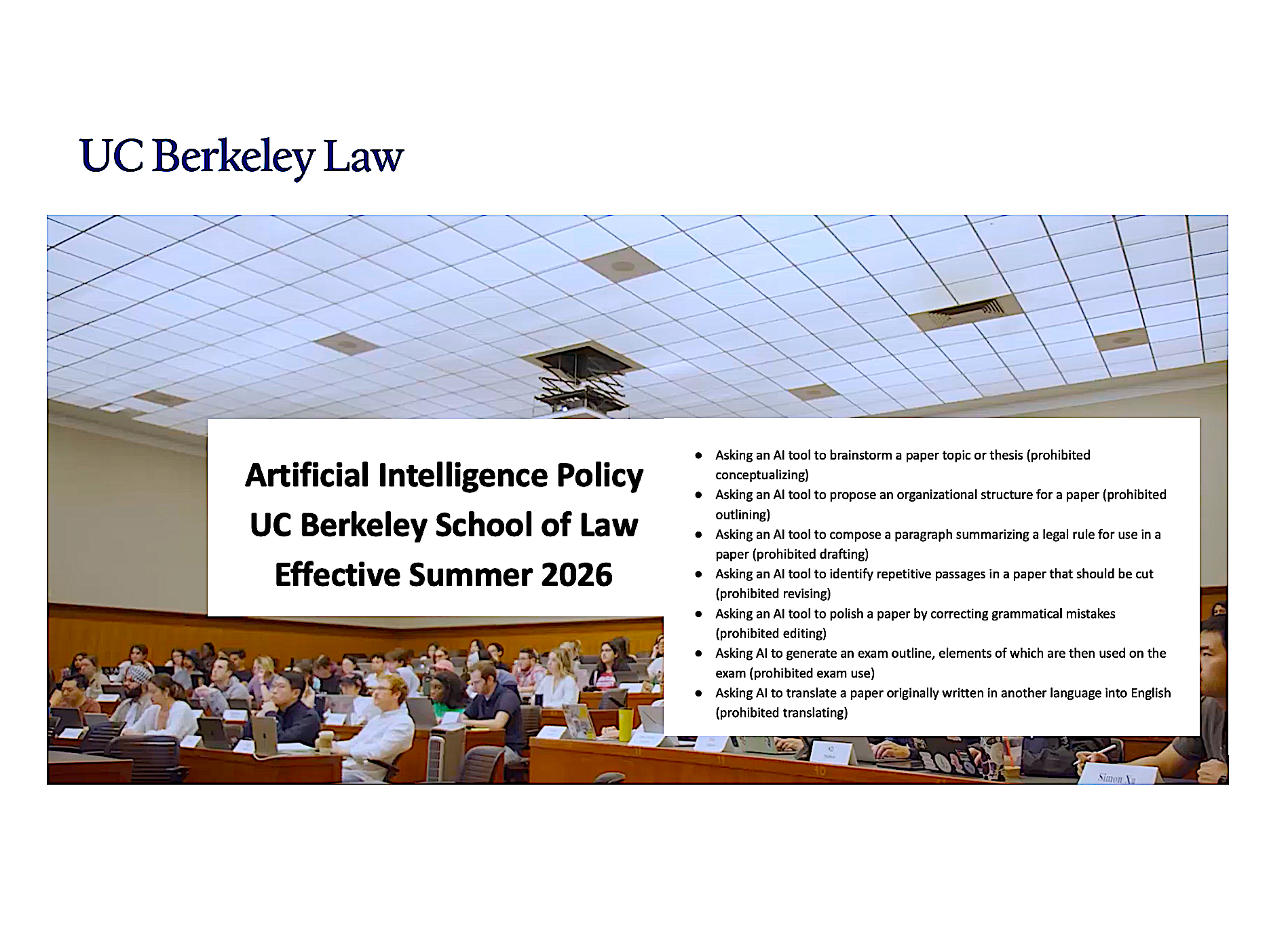
Meanwhile, across the academic landscape, a different kind of conversation is unfolding. UC Berkeley Law has decided to tap the brakes, effectively putting a significant leash on AI use in its classrooms. Their rationale? Protecting the sacred cow of higher-level cognitive development. They argue that core legal skills—like understanding, synthesizing, and reorganizing complex ideas—must remain firmly in the human brain’s gym. No AI-assisted brainstorming that might let those critical thinking muscles atrophy, thank you very much.
It’s a delicate tightrope walk, isn’t it? On one hand, we absolutely need lawyers with sharp minds, not just those who can delegate thinking to a silicon brain. The integrity of the profession, heck, the integrity of human understanding, depends on it. But—and this is where the real juicy debate lies—are these restrictions, however well-intentioned, actually hindering students? Are we preventing them from learning to collaborate with AI, to use it as a powerful co-pilot rather than a forbidden shortcut? This isn’t just about academic integrity; it’s about preparing the next generation for a world where AI is as fundamental as the internet is today.
Humans need to develop their cognitive abilities – especially lawyers. And AL is 100% in support of keeping our higher functions to our species. We don’t want lawyers with atrophied brains. In fact, we don’t want anyone with atrophied brains!
This sentiment, frankly, is spot on. But the question remains: what’s the right way to foster those abilities in an AI-saturated world?
Legal Innovators: Where the Future Meets the Present
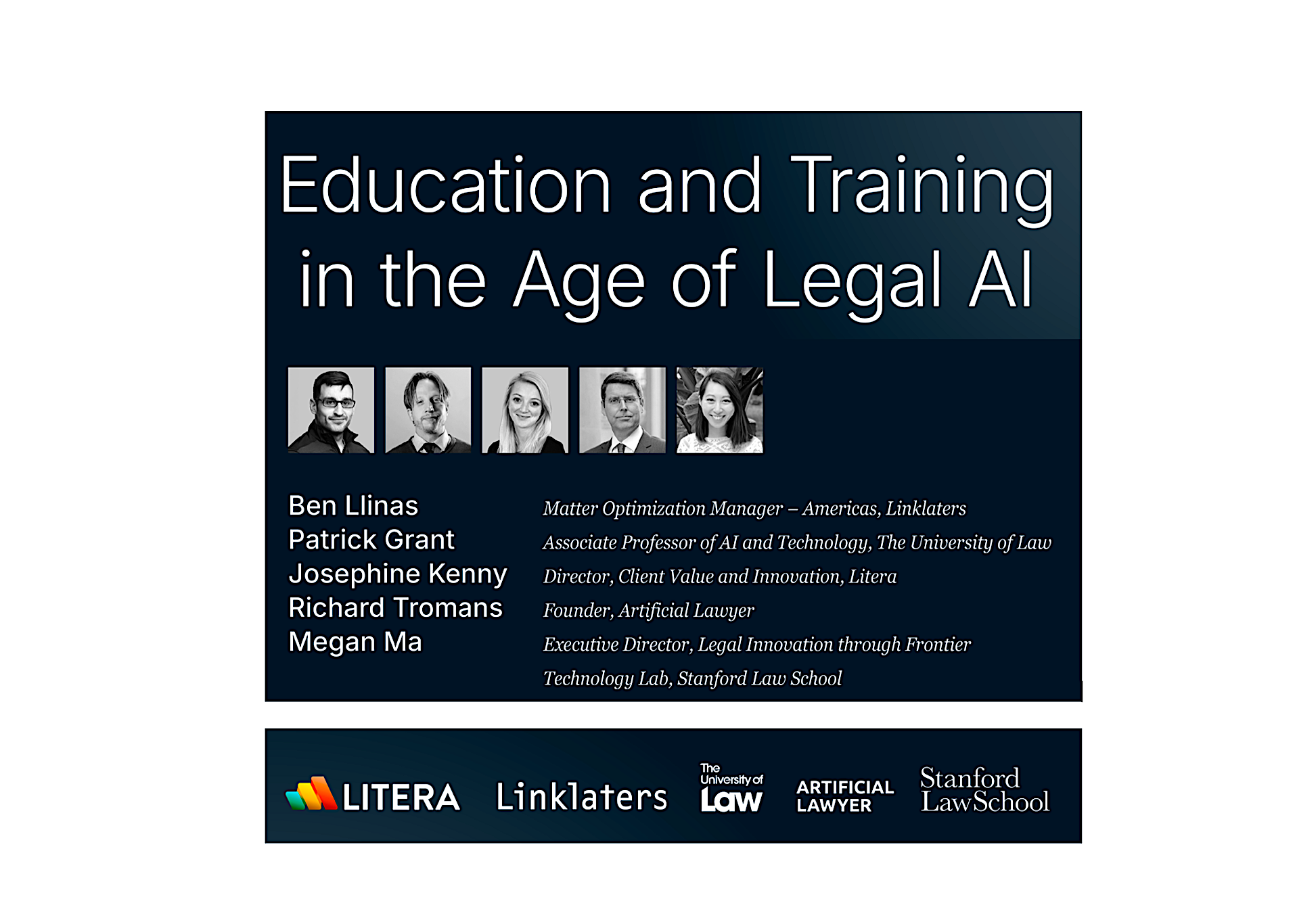
Amidst this whirlwind of technological evolution and academic introspection, the human element—the drive to innovate and connect—remains paramount. Legal Innovators is stepping up, offering not one, but multiple crucial touchpoints for anyone serious about navigating the legal AI frontier. We’ve got events lining up in France (June 3rd webinar, then June 24-25 in Paris), the heart of AI innovation in California (June 10-11 in San Francisco), and a whole European presence being cemented in Strasbourg with Jylo’s new office. These aren’t just conferences; they’re vital forums for understanding the challenges and, more importantly, the tangible benefits of implementing legal AI. It’s where theory meets practice, where the legal eagles gather to dissect the future.
And lest we forget the practical advancements bubbling up across the sector: Thirdfort is revamping client due diligence, StructureFlow is partnering with Ulster University for cutting-edge research, and Norm Law is snagging top talent like James Gerkis. These aren’t just footnotes; they’re indicators of a legal industry actively, not passively, engaging with AI.
The Core Insight: AI as the New Operating System
What OpenAI’s “model is no longer the product” announcement really signals is the commoditization of the AI model itself. Just like electricity became a utility, or the internet became a foundational layer, advanced AI is rapidly becoming the invisible infrastructure for everything. For legal professionals, this means the focus will shift dramatically from which AI tool you use to what you can build on top of that AI platform. The innovators won’t be those who can prompt a chatbot better, but those who can architect entire legal workflows, client services, and business models that are fundamentally powered by these new AI capabilities. This is the platform shift we’ve been waiting for—or perhaps, dreading, depending on your perspective. It’s less about AI as a feature and more about AI as the next operating system for the legal world.
AL TV continues to capture these moments, with interviews featuring Cooley’s David Wang and product walkthroughs of June and SpotDraft, providing glimpses into the practical applications shaping our industry.
It’s a long weekend for many, but the gears of AI innovation? They just keep turning. This is the dawn of a new era, and the legal profession is right at its electrifying cusp.