Forget the sterile pronouncements from courtrooms. The real impact of the Fifth Circuit’s recent skirmish over abortion pills lands squarely on individuals—women, doctors, and the healthcare system at large—facing a landscape of increasing legal uncertainty and access barriers.
This isn’t your standard appellate tussle. The Fifth Circuit, a court with a well-documented, indeed, notorious, reputation for reversals—more than any other appeals court, mind you—has once again landed itself in the crosshairs. Adam Liptak’s latest dispatch in The New York Times paints a stark picture: this court seems to have a penchant for extreme positions, and its recent actions regarding mifepristone underscore that pattern.
Why does this matter for real people? Because when a court’s decisions inject volatility into the availability of critical medication, it’s not abstract legal theory at play. It’s patient care disrupted. It’s doctors scrambling to navigate shifting legal sands. It’s the erosion of trust in a legal system that’s supposed to provide stability, not chaos.
Is This Court “Going Rogue”?
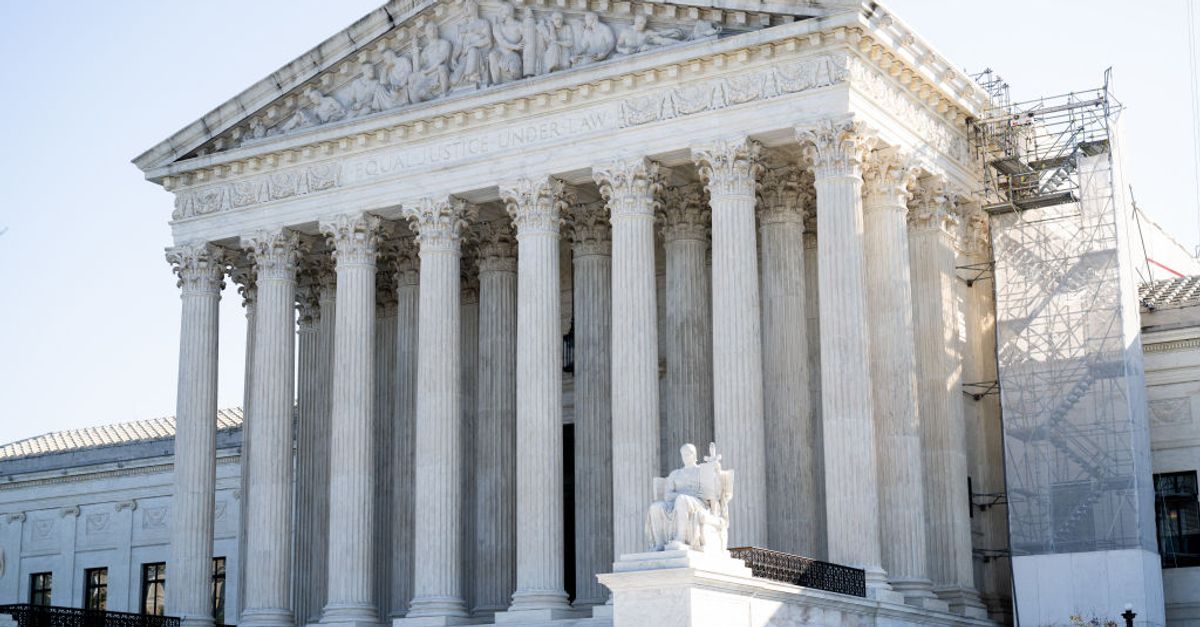
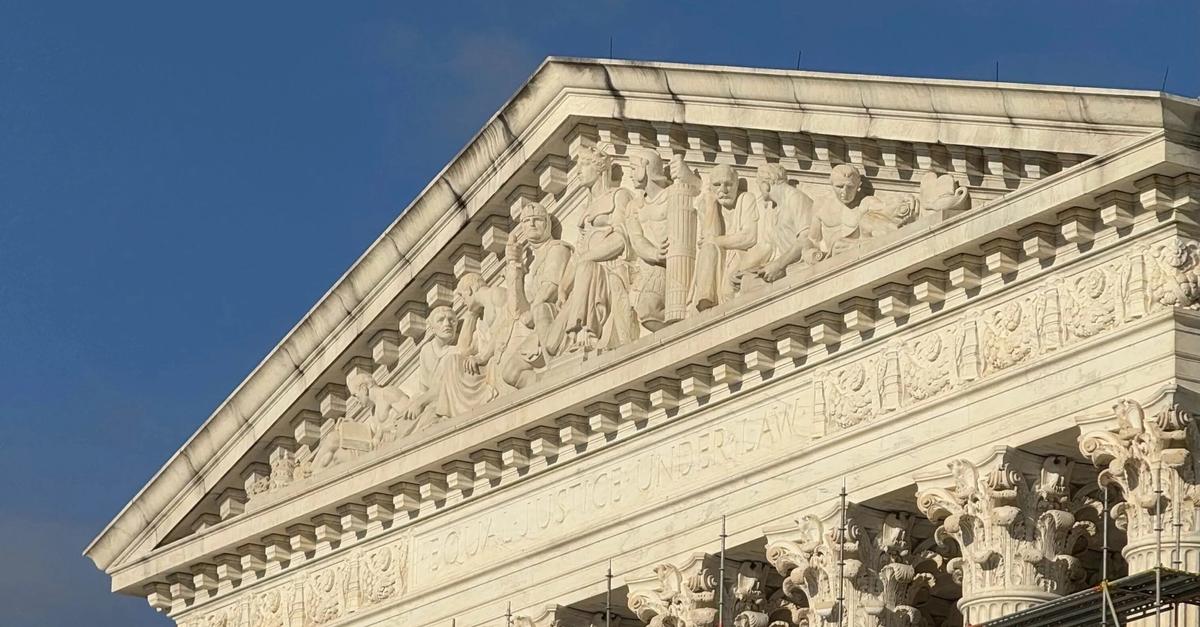
The immediate controversy centers on a ruling that sought to curb access to mifepristone, a key drug used in medication abortions. The Supreme Court, thankfully, stepped in to halt the most extreme elements of the Fifth Circuit’s decision, preserving current access. But the fact that such a challenge was even entertained, and by this specific court, sends a powerful message about the ongoing legal warfare surrounding reproductive rights.
The Fifth Circuit, reversed more than any other appeals court, has a reputation for taking extreme positions.
This judicial theatre plays out against a backdrop of immense public interest and the palpable fear of what comes next. As Kelsey Reichmann reported for Courthouse News Service, a flood of stakeholders—doctors, drugmakers, policy experts, and advocates—descended upon the Supreme Court’s emergency docket, all warning of imminent danger should the Fifth Circuit’s decree take full effect. It’s a stark reminder of how deeply intertwined our healthcare access is with judicial rulings.
The Erosion of Rule of Law?
Beyond the immediate fight over abortion pills, there’s a broader, perhaps more sinister, narrative unfolding. The very notion of the rule of law appears to be under siege, or at least, manipulated. Consider the Wall Street Journal’s editorial pointing out that Section 122 border taxes, a move championed by former President Trump, have been struck down—twice. That’s “Rule of Law 2, Trump’s Tariffs 0.” This isn’t about ideology; it’s about the courts, at times, reining in executive overreach that doesn’t hold up under legal scrutiny.
But then there’s the other side of the coin. Madiba K. Dennie, in an essay for Balls and Strikes, probes a discomfiting question: why do Republican justices appear so nervous? Their efforts to persuade the public that a court stacked with Republican appointees, issuing Republican-friendly decisions, isn’t a partisan body, is becoming an increasingly uphill battle. The optics, frankly, are terrible. When judicial decisions consistently align with one political party’s platform, skepticism is not only warranted; it’s unavoidable. This perceived partisanship chips away at the judiciary’s legitimacy, a foundational pillar of any stable democracy.
Beyond Abortion: A Glimpse of Systemic Strain
The issues percolating from the Fifth Circuit aren’t isolated incidents. They’re symptoms of a legal system under immense pressure. Even the mundane aspects of legal practice are feeling the squeeze. With federal borrowing caps tightening options for law students, one organization is stepping in to negotiate terms they can’t secure alone. It’s a small example, perhaps, but it illustrates how financial realities and systemic issues are impacting the next generation of legal professionals.
And then there’s the human element, even within the often-impersonal world of criminal justice. Holly Barker’s report for Bloomberg Law notes that prosecutors are suggesting a defendant, Goldstein, gambled while on pretrial release. It’s a detail that might seem minor amidst the grand legal dramas, but it speaks to the ongoing, granular work of ensuring justice, and the ways in which individual actions can complicate even the most straightforward legal processes.
Finally, for those looking for perspective on how complex legal battles are won—and the narratives spun around them—Neal Katyal’s new TED Talk, “What really won the trillion-dollar Supreme Court case,” offers insights. Sometimes, the winning strategy isn’t just about airtight legal arguments; it’s about public perception and narrative framing, a lesson that has become increasingly relevant in today’s highly polarized environment.
The legal industry itself is grappling with these larger shifts. Leaders are gathering in Fort Lauderdale to confront unanswered questions, with Amanda Knox setting a curious, yet undoubtedly thought-provoking, tone. The confluence of judicial activism, political pressure, and the evolving realities of legal practice creates a potent, and often volatile, mix. The decisions handed down today are not just shaping legal precedent; they’re shaping lives, livelihoods, and the very fabric of our society.