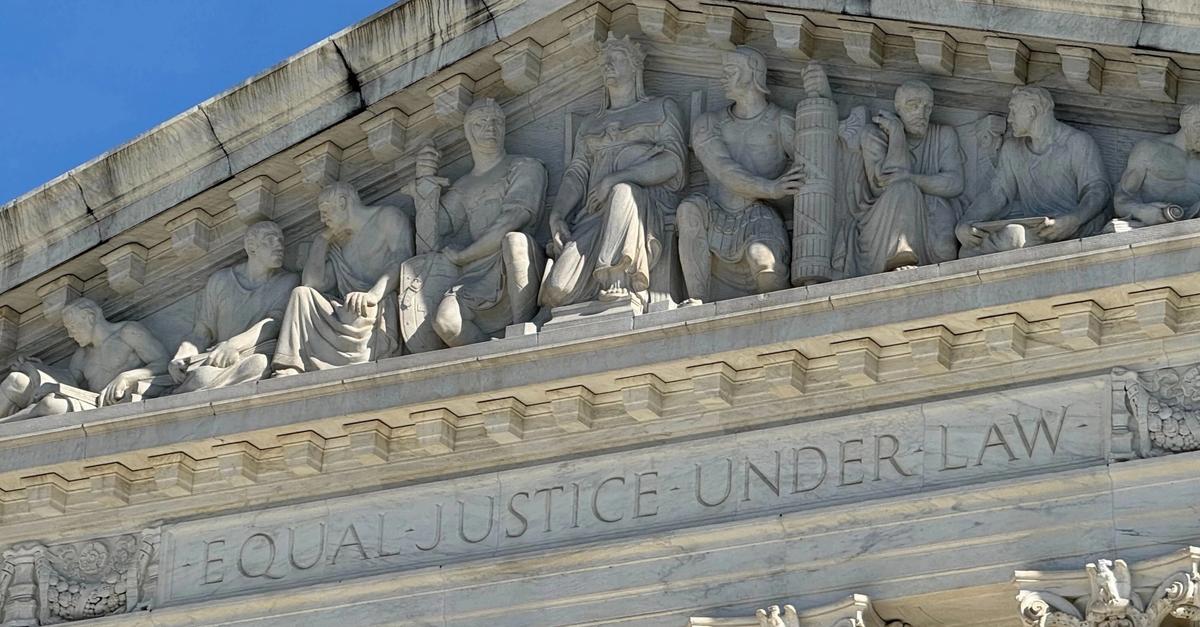
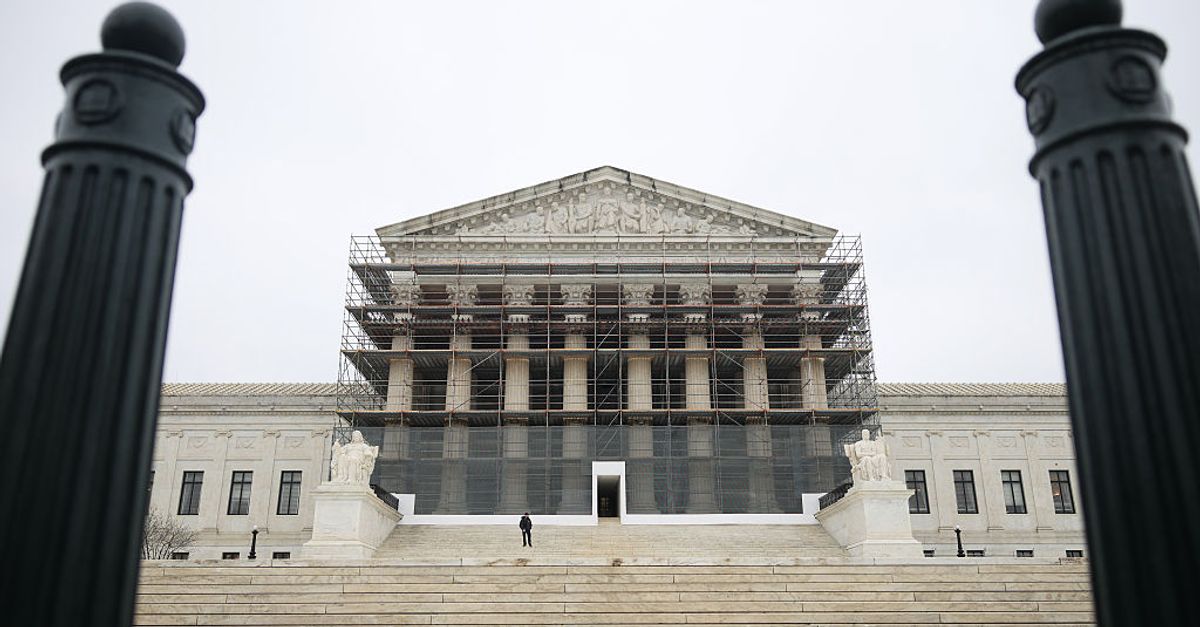
The hum of the Supreme Court isn’t just about dusty legal precedents anymore; it’s the thrum of our digital existence being debated on the grandest stage. We’re talking about geofence warrants, a tool that lets law enforcement essentially ask for all location data within a specified digital boundary during a certain time – think a crime scene radius. And suddenly, your phone’s quiet location tracking becomes the focal point of a constitutional showdown.
This isn’t some abstract legal theory. This is about whether the government can sweep up the digital breadcrumbs of potentially hundreds of millions of innocent people in the name of nabbing a suspect. Alan Butler, the executive director and president of the Electronic Privacy Information Center (EPIC), put it starkly: geofence searches are an ‘incredibly invasive investigative technique that threatens the Fourth Amendment rights of hundreds of millions of individuals.’ You can practically feel the tectonic plates of privacy shifting.
The Digital Ghost in the Machine
It’s like this: Imagine you’re at a concert, a protest, or just walking your dog. Your phone, humming along, anonymously logs its position. Now, imagine the police, investigating a crime blocks away, can request all those anonymous pings from Google or Apple for that specific hour. They aren’t looking for your data specifically; they’re casting a wide net, hoping to snag the needle in the haystack. The argument from privacy advocates is that this is akin to demanding a list of everyone who entered a particular building, not based on suspicion of them, but suspicion of someone in the building.
And here’s the kicker: that data, the record of your movements, is stored. It’s not just ephemeral radio waves. It’s data held by third parties, often tucked away in the cloud. Butler’s plea is clear: the court needs to recognize that our digital data, even when held by an app or cloud provider, is still protected. He wants to ensure that ‘highly sensitive records generated by our phones cannot be obtained without particularized suspicion and close judicial oversight.’ It’s a call for a digital warrant, a truly specific request, not a dragnet.
The court should hold that the Constitution protects our digital data even when it is stored by an app or cloud provider. The court should ensure that the highly sensitive records generated by our phones cannot be obtained without particularized suspicion and close judicial oversight.
Is This the New Normal, Or a Constitutional Crisis Brewing?
Think about the implications. Every time you use a navigation app, a social media platform that geotags, or even a weather app that tracks your location, you’re generating data. Geofence warrants, in their current application, could turn every smartphone into a potential surveillance device, not by choice, but by circumstance. This isn’t just about solving crimes; it’s about the chilling effect on our willingness to move freely, to associate, to simply be in public spaces if we know our every step could be logged and accessed by the government without specific cause.
This case, Chatrie v. United States, could very well be the landmark decision that defines digital privacy for a generation. It’s a platform shift moment for the Fourth Amendment. We’ve moved from searching physical homes to searching the digital footprints we leave behind. The question is whether our constitutional protections are keeping pace with the technology that has become so deeply interwoven into the fabric of our lives.
Why Does This Matter for Lawyers and Technologists?
For legal professionals, this is a minefield. Understanding the evolving landscape of digital evidence and the constitutional limits on its acquisition is paramount. The ability to obtain geofence data could be a powerful investigative tool, but its misuse could lead to significant constitutional challenges and overturned convictions. For technologists, it’s a stark reminder that the products they build have profound societal and legal implications. The architecture of data storage, privacy controls, and the transparency around how this data is accessed will be under immense scrutiny. The tension between enabling law enforcement and protecting fundamental rights is a delicate balancing act, and the Supreme Court’s decision will set the new equilibrium.
This isn’t just another legal battle. It’s a fight for the soul of our digital freedom. The court’s ruling will send ripples across every app, every cloud server, and every citizen’s pocket. It’s a defining moment, and one we can’t afford to ignore.
🧬 Related Insights
- Read more: From Wachtell to Boutique Glory: Why This Partner Swapped Biglaw for Trial-Ready Teams
- Read more: Learned Hand’s AI Storming Courtrooms: Justice Gets Turbocharged
Frequently Asked Questions
What is a geofence warrant? A geofence warrant is a request made by law enforcement to a tech company (like Google or Apple) for location data of all devices that were within a specified geographic area during a certain time frame. It’s used to identify suspects or witnesses in a crime by analyzing the location data of individuals present in the vicinity.
How does this case affect my privacy? If the Supreme Court rules in favor of broader access, police could more easily obtain your location data, even if you’re not suspected of a crime. This raises concerns about mass surveillance and the potential for misuse of sensitive personal information.
What is the Fourth Amendment? The Fourth Amendment to the U.S. Constitution protects individuals from unreasonable searches and seizures. It generally requires law enforcement to obtain a warrant based on probable cause before conducting a search. The Chatrie case is examining how this protection applies to digital location data.