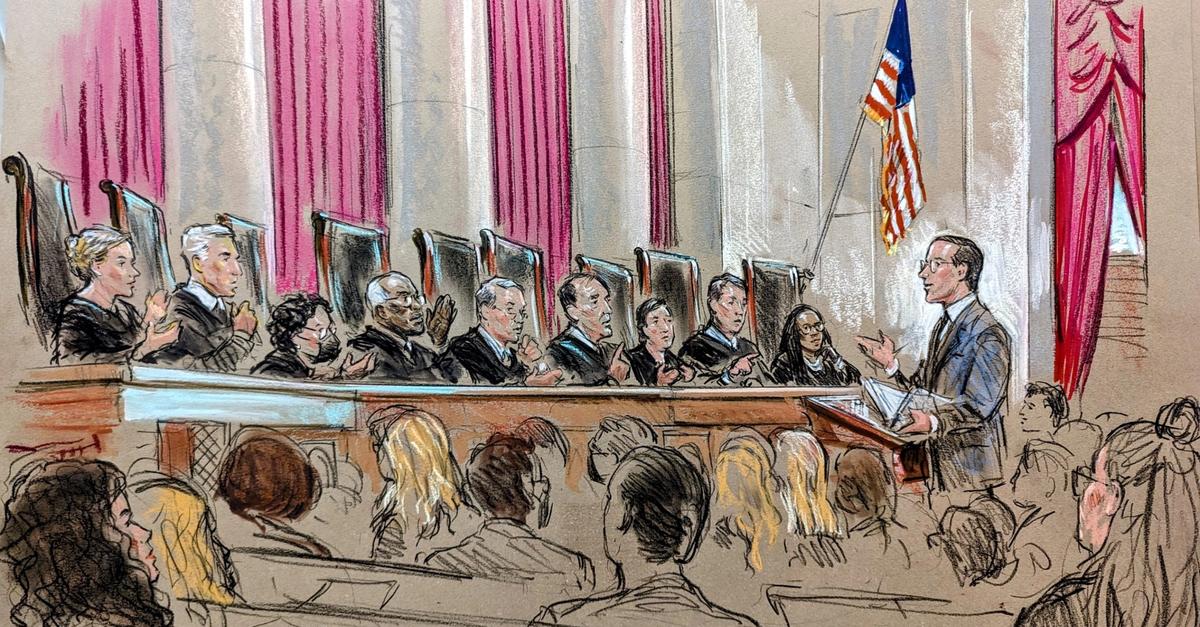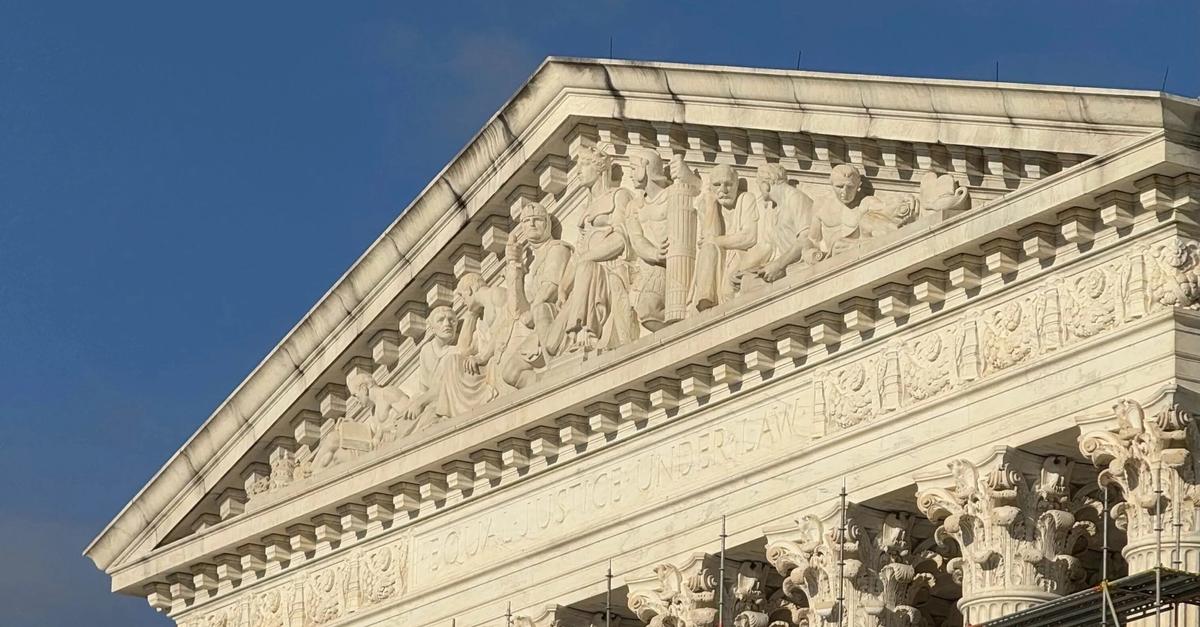
The Supreme Court’s oral arguments are getting longer. That’s the data point that should make you pause, especially if you’re the sort who thinks justice should be swift and, you know, accessible to mortals. According to a CNN analysis, the average argument time this term is hovering just under 90 minutes. Ninety minutes. Nearly an hour and a half to hash out legal quandaries. That’s a solid ten-minute increase from the remote arguments of 2020 – which, you’d think, might have streamlined things a bit. Apparently not.
Chief Justice John Roberts and Justice Samuel Alito are apparently batting around ideas to trim this bloat. Meanwhile, Justice Clarence Thomas, bless his soul, jokes he could just hang out all day. Look, I’ve been covering this circus for two decades, and the PR spin on everything is always about transparency and public access. But as Emory University law professor Tonja Jacobi points out, these marathon sessions, while theoretically educational, are actually becoming “less accessible” as they drag on. It’s a bit like handing someone a detailed instruction manual for a toaster that’s several hundred pages long. Helpful in theory, maddening in practice.
Why Are Arguments Dragging On?
So, who benefits from these ever-lengthening legal debates? It’s not the average citizen trying to understand what the heck the highest court in the land is doing. It’s certainly not the clerks drowning in paperwork or the media trying to distill complex rulings into digestible soundbites. It’s a question that seems to get conveniently sidestepped in the polite chatter about judicial philosophy and collegiality. My money’s on a combination of the sheer complexity of modern legal issues and, let’s be honest, a certain judicial enjoyment of the spotlight and the intellectual sparring, even if it means the public tune-out rate skyrockets.
And while we’re on the subject of judicial grumbles and the optics of the Court, Rep. Steve Cohen has apparently thrown his hat in the ring with a long-shot attempt to impeach Chief Justice Roberts. The allegations? That the Court has become partisan and inconsistent under his watch, with decisions seemingly designed to benefit Republicans and a general whiff of ethical breaches. It’s a bold move, sure, but given the current climate, it’s hardly surprising to see someone trying to poke the beast.
Tariffs, Lawsuits, and Staying Quiet
Speaking of legal battles and the Trump era, there’s a fascinating bit of corporate psychology playing out with those illegal tariffs. Bloomberg’s analysis shows that a mere 5% of the largest publicly traded companies even mentioned refunds in relation to Trump’s tariffs. Why the silence? Fear. Pure, unadulterated fear of political blowback and, you guessed it, legal challenges. Nobody wants to be painted as “unpatriotic” by the former president, or worse, open themselves up to a flood of consumer lawsuits. It’s a masterclass in calculated risk aversion – stay quiet, avoid the glare, and hope the whole mess blows over. The underlying message: saying too much invites scorn and legal headaches.
Then there’s the whole Mahmoud Khalil saga at the 3rd Circuit. This Columbia grad, arrested by ICE, has become a poster child for the crackdown on pro-Palestinian demonstrators. He’s married to an American, a legal permanent resident, and now his lawyers are playing legal hot potato, trying to get the full Third Circuit to revisit a panel decision that allowed his case to bypass federal district court on constitutional issues. They’re already angling for a Supreme Court appeal. It’s a tangled mess of jurisdictional arguments and constitutional claims, and it’s a stark reminder that the court’s reach — and the battles fought within its orbit — are far from abstract.
And let’s not forget the never-ending saga of Monsanto’s Roundup. Bayer, the acquirer, is facing a potential Supreme Court ruling that could curb lawsuits over the weedkiller’s alleged cancer links. Simultaneously, they’re trying to push through a $7.25 billion class-action settlement. But even this is proving messy, with lawyers trying to derail it by moving it to federal court and arguing it won’t adequately compensate victims. Bayer’s hoping both the SCOTUS ruling and the settlement will effectively cap their liability. It’s a two-pronged strategy to minimize future headaches, and you can bet they’re pulling out all the stops.
A Leak in the System?
Now, for a bit of institutional intrigue: The New York Times dropped a bombshell about the Supreme Court’s 2016 blocking of Obama’s Clean Power Plan, all thanks to leaked internal memos. It begs the question: how often does this stuff really happen? Leaks at the Court are rarer than a unanimous decision on a controversial topic. It raises questions about security, trust, and who, exactly, is spilling the beans. It’s a crack in the supposedly impermeable façade of the institution, and it’s fascinating.
In a decision that was, frankly, predictable, M&K Employee Solutions v. Trustees of the IAM National Pension Fund saw the 3rd Circuit swiftly reject the idea that ERISA forces actuaries to use ancient assumptions. It’s a straightforward ruling on pension plans, not exactly the stuff of headline news, but important for those in the actuarial trenches.
Finally, Cortez Collins flags a glaring disconnect: the Supreme Court is shaping law in a tech-driven era but remains remarkably out of touch with the digital world itself. They’re ruling on online conduct, yet they’re practically absent from the very spaces where this conduct unfolds. It’s a striking irony, and a question that’s only going to become more pressing as technology continues its relentless march.
🧬 Related Insights
- Read more: [USPTO vs EPO] Should US Adopt Problem-Solution for Obviousness?
- Read more: US Turns from Basic Research? Bayh-Dole’s Legacy Under Threat
Frequently Asked Questions
What’s the average length of Supreme Court oral arguments now?
The average length of oral arguments in the current Supreme Court term is just under 90 minutes, an increase from previous terms.
Are Supreme Court oral arguments getting shorter or longer?
They are getting longer, with the current term seeing an increase of nearly 10 minutes compared to the term that began in 2020.
Why are Supreme Court oral arguments taking so long?
While not explicitly stated as a single cause, the increasing length is likely due to the complexity of modern legal issues and potentially a judicial preference for extended deliberation and questioning, despite concerns about accessibility.