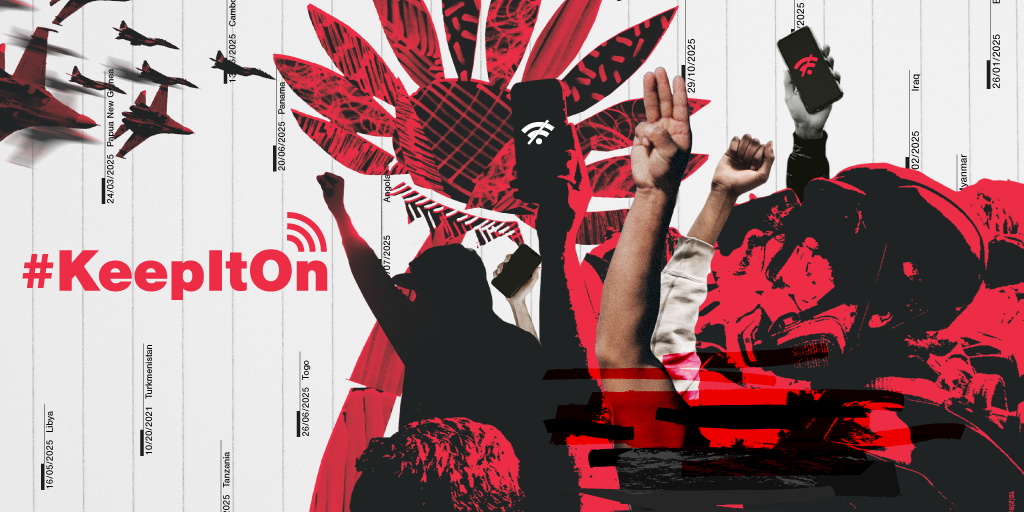
Look, for the average person trying to navigate life in 2025, this news is less about a report launch and more about the gnawing reality of being cut off. Imagine: you’re trying to check on family, access vital information, or just share your day, and suddenly, poof – darkness. Not a metaphorical darkness, but a literal digital void, imposed by governments. That’s what the latest data from Access Now and the #KeepItOn coalition paints: a picture of a continent where internet access is increasingly a privilege, not a right.
So, what happened? Apparently, not a single day went by last year without some country deciding to pull the plug. We’re talking 313 shutdowns across 52 countries globally, and a particularly grim tally of 30 in Africa alone, hitting 15 nations. This isn’t some abstract geopolitical chess match; this is about real people, real lives, and real livelihoods being disrupted, often intentionally. Who benefits from this? That’s always the question, isn’t it?
The New Kid on the Block (of Repression)
Angola shows up for the first time, doing its part to join the club of internet-slashing nations. Why? Oh, just planned protests against, you guessed it, rising fuel prices. Because nothing says ‘we’re listening’ like severing communication lines.
Politics and Protests: The Usual Suspects
And what triggers these digital silences? The report hammers it home: protests. Again. Fourteen times across eight African countries, shutdowns happened during demonstrations and general political unease. Elections, too, are a prime opportunity for some governments to get their blackout on – four countries did it eight times. It’s almost as if they see the internet as a direct threat to their authority. Funny, that.
The Old Guard and the Humanitarian Crisis
Tanzania, bless its heart, managed to shut down the internet eight times last year. Twice during elections. Because transparency is overrated, I suppose. Then there’s the Democratic Republic of Congo, which apparently thought a humanitarian crisis was the perfect moment to disconnect Goma. Because when you’re in distress, the last thing you need is outside help or communication. Equatorial Guinea’s Annobón remains isolated, an island of silence. And Uganda? Still blocking Facebook. Five years running. Dedicated, aren’t they?
A Flicker of Hope?
On the slightly less bleak side, the African Commission on Human and Peoples’ Rights and other election observers are at least recognizing the problem. They’re raising concerns about shutdowns during democratic processes. It’s something, I guess. Acknowledging the train wreck doesn’t stop it, but at least someone’s taking notes.
My own take on this? The tech itself isn’t the villain. It’s the same old story of authoritarian control dressed up in new digital clothing. For years, we’ve seen governments crack down on speech, assembly, and dissent. The internet just provides a more efficient, more far-reaching tool for them to do it. And the PR spin? It’s always about ‘national security’ or ‘maintaining order.’ What it’s really about is power, and ensuring that only approved narratives get heard. The companies selling these surveillance and throttling technologies – well, they’re just happy to collect their checks, regardless of the human cost.
Why Does This Matter for African Democracies?
This isn’t just about Africa, though the report focuses there. It’s a global trend. When governments can flick a switch and make entire populations digitally invisible, it erodes accountability. It makes it harder to organize, to document abuses, and to hold those in power responsible. The ‘positives’ are really just the bare minimum: acknowledging that shutting down the internet during an election is, you know, not great for democracy. It’s like saying waterboarding is ‘not ideal’ for human rights. We’ve moved past the era where we need to explain why blocking the internet is bad; the focus should be on enforcement and consequence.
This constant whack-a-mole of shutdowns is exhausting. It fuels misinformation, stifles economic activity, and, most importantly, silences voices that deserve to be heard. The #KeepItOn coalition is doing critical work, but they’re fighting a hydra. For every shutdown they document, there are countless more individuals whose ability to connect, learn, and participate is curtailed.
“Authorities in eight African countries imposing shutdowns 14 times during protests and political instability; this was followed by election-related shutdowns, with four countries targeted eight times.”
This is the playbook: create chaos, then use the chaos as an excuse to silence the very people who would expose the truth about the chaos. It’s a grim cycle, and one that tech, ironically developed to connect us, is being weaponized to divide and control.
Who Actually Benefits?
Let’s be blunt. The governments that implement these shutdowns benefit by suppressing dissent. The internet service providers and telecom companies whose infrastructure is used for this? They’re often compelled to comply, or they’re complicit. And the vendors selling the tools that enable these granular blocks and surveillance? They’re likely making a killing. The victims are, as always, the ordinary citizens whose fundamental rights are trampled.
🧬 Related Insights
- Read more: The EU AI Act Explained: Risk Categories, Compliance Requirements, and Timeline
- Read more: Supreme Court’s Shadow Docket Roars Back, Slamming Doors on Protesters and Prisoners
Frequently Asked Questions
What does the #KeepItOn coalition do?
The #KeepItOn coalition is a global network of organizations working to end internet shutdowns and promote universal access to the internet. They document shutdowns, advocate for policy changes, and raise public awareness.
Will internet shutdowns decrease in 2026?
Based on the trends from 2025, it’s unlikely that internet shutdowns will significantly decrease without strong international pressure and legal frameworks that penalize such actions by governments.