The narrative of progress in digital connectivity took a sharp, brutal detour in 2025. Everyone expected more integration, more access, more AI-powered solutions. Instead, what we got was a record-breaking year for internet shutdowns. This isn’t a glitch; it’s a policy. Governments, for all their posturing on innovation, are increasingly reaching for the kill switch during crises, exacerbating the very problems they claim to be managing.
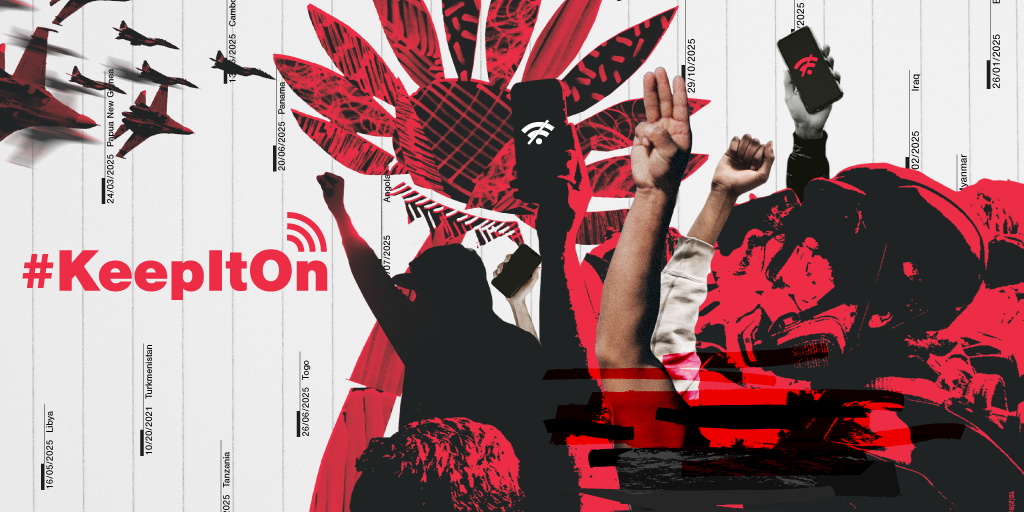
And the numbers are stark. Access Now and the #KeepItOn coalition dropped their latest report today, and it’s grim reading. We’re talking about at least 313 shutdowns across 52 countries. That’s not a typo. For those keeping score in Latin America and the Caribbean, Venezuela and Panama show up on the naughty list, with five interruptions between them.
Venezuela isn’t new to this grim game; it’s a repeat offender. Panama, however, is a fresh face on this particular map of repression. Two weeks of internet and mobile service blackout in Bocas del Toro, directly targeting social protests against pension reforms. This isn’t about national security; it’s about silencing dissent, plain and simple.
The Unseen Consequences of Connectivity Blackouts
This isn’t merely an inconvenience for a few. The implications of this data are profound. For the third consecutive year, conflicts have been the primary trigger. One hundred and twenty-five shutdowns, 40% of the global total, were directly linked to ongoing hostilities in 14 countries. Think about the implications for humanitarian aid, for reporting on war crimes, for basic communication in war zones.
But it gets worse. The report highlights that at least 70 shutdowns coincided with egregious human rights violations—murders, torture, rapes, apparent war crimes, and outright atrocities in 21 countries. This pattern isn’t accidental. It’s a deliberate strategy to obscure, to isolate, and to brutalize with impunity. When the internet goes dark, the world goes blind to the abuses happening on the ground.
This epidemic of shutdowns is now pervasive. Since Access Now and #KeepItOn began tracking in 2016, people in a staggering 100 countries have experienced some form of connectivity blackout. That’s more than half the planet losing access at some point, a terrifying proof to how easily digital infrastructure can be weaponized.
Why Does This Matter to Legal Professionals?
For those of us in the legal technology space, this trend presents a deeply concerning paradox. We champion AI for its potential to streamline legal processes, democratize access to justice, and enhance efficiency. Yet, the very foundation of this digital revolution—reliable internet connectivity—is being deliberately undermined by the very entities we expect to uphold the rule of law. How can we deploy advanced AI tools for due diligence or contract analysis when vast populations are regularly cut off from the digital world, often during times of crisis when legal assistance is most needed?
The increasing frequency of these shutdowns, especially when linked to human rights abuses and conflict, raises critical questions about state sovereignty versus individual rights in the digital age. It’s a stark reminder that legal frameworks struggle to keep pace with the realities of digital warfare and political control. The deliberate severing of internet access is not merely a technical issue; it’s a direct assault on freedom of expression, access to information, and the fundamental rights that legal systems are designed to protect.
We’re seeing a global regression, a move away from an interconnected world towards fragmented, controlled information environments. This isn’t a partisan issue; it’s an existential threat to the principles of open society and the potential of technology to empower individuals. The legal profession, often at the forefront of defending rights and upholding justice, must pay close attention to this digital authoritarianism, as it threatens the very infrastructure upon which future legal innovation and access to justice will depend.
“The year 2025 cemented a concerning trend, registering a new historical record in the frequency of internet shutdowns globally.”
This isn’t just about a few more or fewer disruptions than last year. This is about a deliberate policy choice by numerous governments to use connectivity as a tool of control, an instrument of repression. The data from Access Now is not just a statistic; it’s a warning siren for anyone who believes in an open, connected, and just digital future. The fight for internet freedom is, increasingly, a fight for human rights itself.