![Elon Musk Abroad, Ethics in DOJ Crosshairs [Legal Docket 05.15.26] — Legal AI Beat](/og-image.svg)
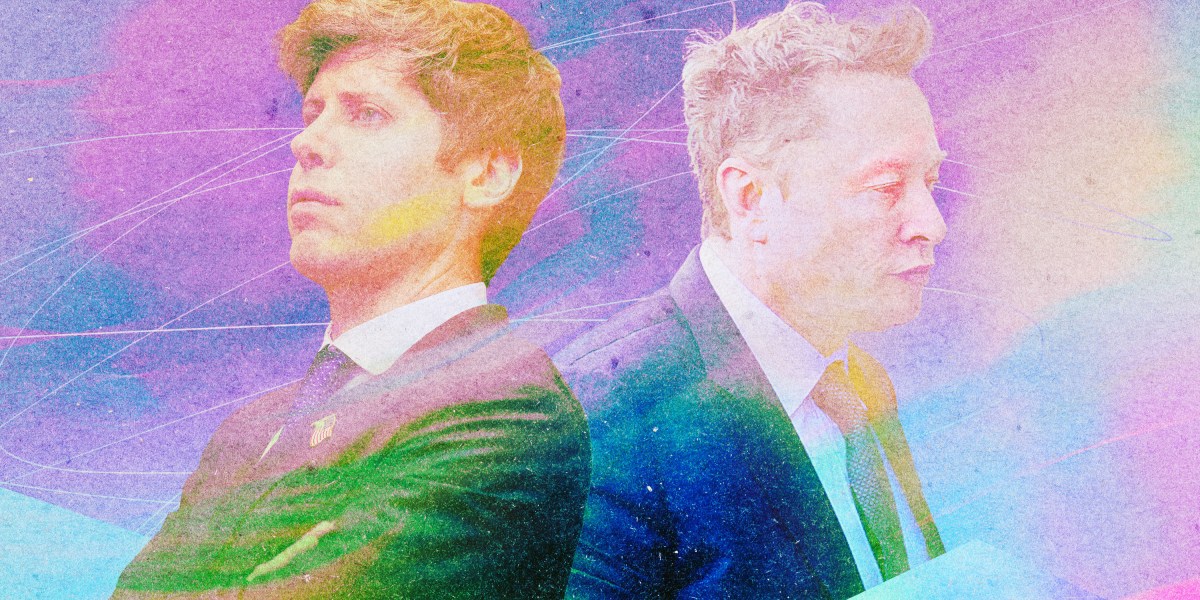
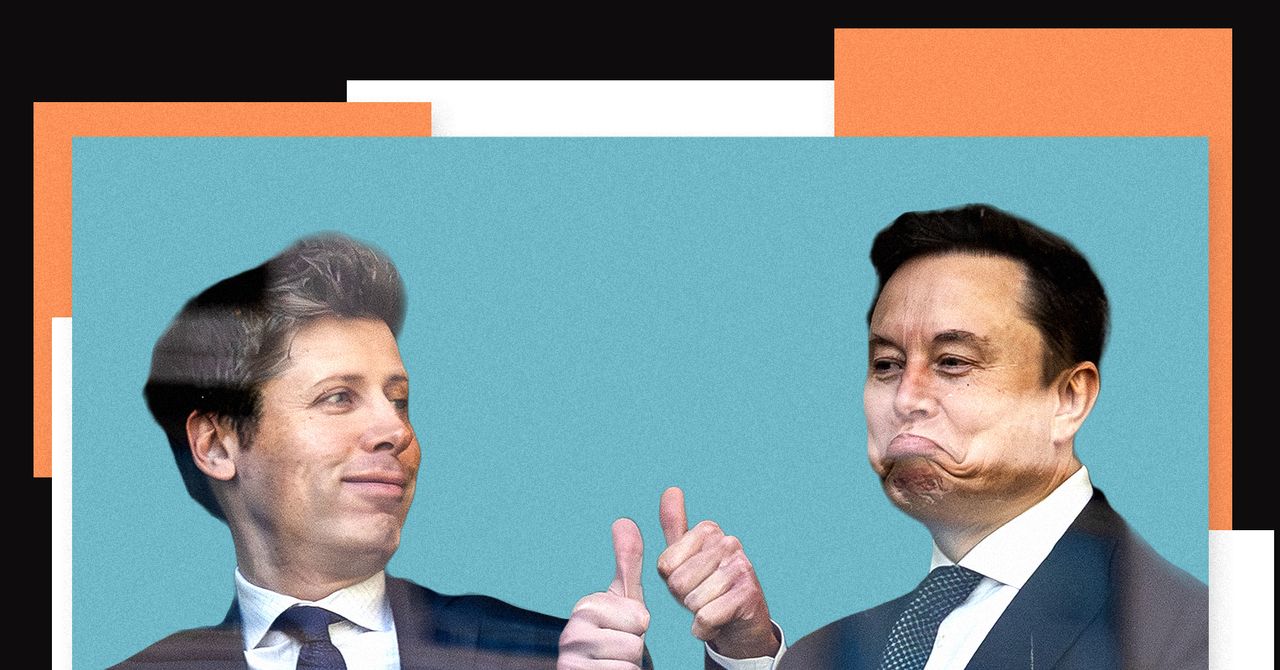
Elon Musk, perpetually a headline magnet, is reportedly en route to China. This development lands with an almost comical synchronicity, given he’s currently embroiled in a high-stakes legal spat with OpenAI. U.S. District Judge William Orrick, seemingly unfazed by Musk’s globe-trotting ambitions, had previously warned the tech mogul that his presence was required. One wonders if the judge has factored in global flight times.
Clients, it turns out, aren’t nearly as bothered by lawyers working from home as some law firm partners are. This injects a potent dose of reality into the aggressive “back-to-office” mandates that have become a battleground in Big Law. The old chestnut—that clients demand in-person presence—is apparently being dismantled, piece by piece, client by client. It blows up a key, often-cited excuse for the back-to-office push.
And then there’s the shadow docket drama. The Supreme Court, in its enigmatic way, has allowed the continued telesales of mifepristone. Suddenly, Justices Alito and Thomas, usually so vocal about judicial restraint or perceived overreach depending on the issue, are finding their voices. The sudden, pronounced anger suggests a deeper discomfort with a process that bypasses traditional oral arguments, particularly when it involves matters of considerable societal and political weight.
DOJ vs. Ethics Enforcement
Ethics lawyers are ringing alarm bells, calling the Department of Justice’s effort to sue the D.C. Bar a “fundamental threat” to the legal profession. At the heart of the matter is the DOJ’s push to compel the bar into abandoning its duty to enforce ethical rules against government lawyers, specifically in the context of the January 6th investigations. This isn’t just about one lawyer or one bar; it’s about the very architecture of professional responsibility. If government lawyers can operate under a different ethical standard, what does that say about accountability across the board? It’s a question that gnaws at the foundations of attorney conduct.
Texas Immigration Law Hits a Wall
Judges, it seems, are not entirely immune to the absurdity of certain legislative ambitions. A judge has put a halt to Texas’s draconian immigration law, SB4. The reasoning? It’s “implausible to imagine” a scenario where every state crafts its own immigration policy. This is less a legalistic pronouncement and more a pragmatic observation about the sheer unworkability and constitutional chaos such a system would unleash. Federal preemption isn’t just a doctrine; it’s a guardrail against anarchy.
The Pro Bono Push Gets a Boost
In a more heartening development, Wilson Sonsini is reportedly doling out substantial stipends—close to a million dollars in total—to summer associates and non-profits. The goal? To grease the wheels of pro bono work and foster partnerships. It’s a smart move. Beyond the altruistic shine, it’s an investment in talent development and professional reputation, signaling that the firm values public service alongside billable hours.
Arbitration’s Limits Clarified
Finally, a minor clarification from the Supreme Court. Courts retain authority over cases they’ve already dispatched to arbitration. This distinction, while perhaps sounding like legal minutiae, is important. It confirms that the act of sending a case to arbitration doesn’t automatically sever all judicial ties. The court’s hand remains somewhere on the tiller, even if the steering is delegated.
🧬 Related Insights
- Read more: EU AI Act Chapter V: GPAI Providers’ Enforcement Reckoning
- Read more: Anthropic’s ‘Project Deal’: AI Agents Negotiate Real-World Transactions [Analysis]
Frequently Asked Questions
What is the DOJ’s dispute with the D.C. Bar about? The DOJ is suing the D.C. Bar, seeking to prevent it from enforcing ethical rules against government lawyers, particularly concerning actions related to the January 6th investigations.
Will clients eventually accept lawyers working from home permanently? Client surveys suggest a growing acceptance, potentially undermining law firms’ arguments for mandatory return-to-office policies.
Did the Supreme Court rule on mifepristone telesales? The Supreme Court allowed the continued telesales of mifepristone to proceed, a decision that has drawn sharp criticism from Justices Alito and Thomas.