Everyone figured AI would tiptoe into courtrooms—helpful paralegals, not courtroom chaos. But this Morning Docket? It’s a full-throated roar, signaling the platform shift we’ve all been hyped for.
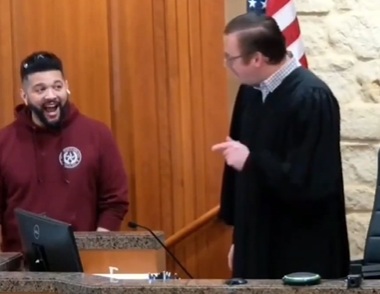
Texas showdown first. A judge hauls a lawyer into court for daring to call out the bench’s viral meltdown on an IT worker. The lawyer? Skips it himself—sends his crew instead. Bold. It’s like watching the printing press brawl with medieval scribes, all over a judge losing it on camera.
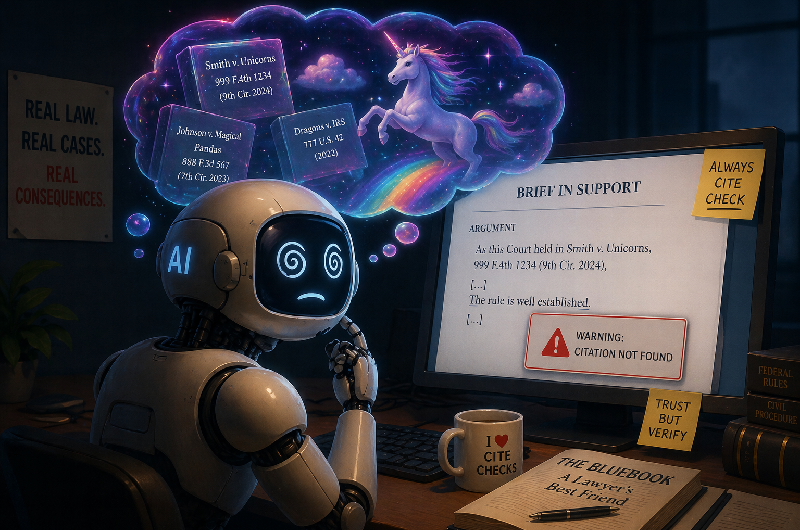
AI hallucination penalties. They’re spiking, yet lawyers can’t quit citing ghost cases cooked up by chatbots. Picture this: your star witness, sloshed at the bar, swearing to events that never happened. That’s ChatGPT in legalese. NPR nails it:
AI hallucination penalties rise, and yet lawyers keep citing fake cases.
And here’s my hot take—the one nobody’s saying: this isn’t sloppiness; it’s the birth pangs of AI-native lawyering. We’re transitioning from human memory to silicon recall, messy as a teenager’s first car crash. But oh, the speed we’ll hit once the kinks iron out.
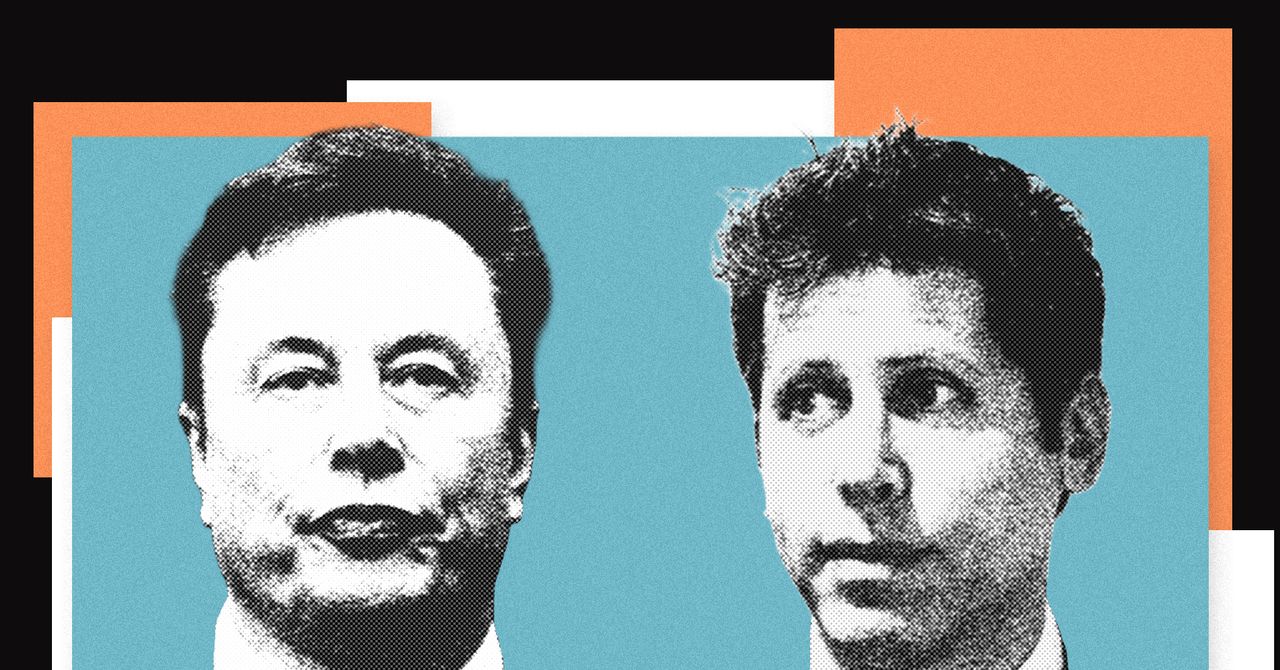
Elon Musk Sues Colorado Over AI Regulations—Game On?
Elon. Of course Elon. He’s suing Colorado because the state’s AI rules cramp his xAI dreams. Reuters reports it straight: deep state overreach on the tech that’s remaking everything. Think back to the 90s—governments trying to regulate email like it was nuclear waste. Same vibe. Colorado wants disclaimers on AI outputs? Musk says no way, that’s chilling innovation.
This changes everything. Regs like these? They’re speed bumps on the AI highway to ubiquity. But Musk’s fight—it’s the flare gun. Lights up the path for light-touch governance, where AI thrives without nanny-state chains. Imagine courts running on Grok-level reasoning, not outdated statutes. We’re inches away.
But wait—critique time. Colorado’s not wrong to worry about deepfakes fooling voters. Still, Musk’s suit exposes the spin: states playing god with tomorrow’s tools.
Why Can’t Copyright Lock Down the Law?
EFF cheers another win: courts smack down using copyright to gatekeep legal texts. Access to law? Should be free as air. No more paywalls on statutes—it’s like charging for the Constitution. This one’s pure rocket fuel for AI legal tools, scraping public docs to build unbeatable briefs.
Short and sweet: victory.
Gibson Dunn’s new SEC Enforcement chief steps into a dumpster fire—agency already wheezing at 2025 lows. Impotent? That’s the word Corporate Counsel drops. AI could fix this, spotting fraud faster than any suit. But will they let it?
And the Pentagon? Court nukes their press curbs as an “autocracy mark.” Law360’s got the scoop. Transparency wins—vital when AI drones and intel tools demand oversight.
Will AI Hallucinations Finally Force Lawyers to Adapt?
Look, hallucinations aren’t bugs; they’re growing pains. Lawyers citing fake cases? It’s like early pilots crashing before flight schools existed. Penalties rising means evolution’s here. Train the models on verified corpora—boom, reliability skyrockets.
Vivid? Imagine law as a vast ocean; AI’s the submarine, occasionally bumping coral reefs of bad data. Fix the nav charts, and it’s smooth sailing to hyper-accurate verdicts.
This docket isn’t random noise. It’s the Big Bang of legal AI—particles colliding, forming new stars. Texas judge vs. lawyer? Pushback against judicial overreach in the viral age. Musk’s suit? Blueprint for deregulation. Hallucinations? The forge tempering better bots.
Here’s the bold prediction: by 2028, 80% of briefs drafted by AI, judges augmented like cyborgs. Skeptics scoff? Watch. This platform shift dwarfs the web.
Weave it together. The Texas lawyer’s stand—it’s defiance, echoing EFF’s copyright smackdown. Free speech, free law, free AI. SEC’s limp enforcement? AI’s cure, if regulators chill. Pentagon transparency? Preps for AI warfare ethics.
One sprawling thought: we’re not just patching software; we’re rewiring justice itself, from adversarial mud-wrestling to predictive harmony, where outcomes flow from data symphonies, not human squabbles. Pace quickens. Wonder builds.
And the energy? Electric. These stories pulse with the thrill of disruption.
What Does Elon Musk’s Colorado Lawsuit Mean for AI Innovation?
Straight up: it’s a referendum. Colorado’s rules demand AI labels, like warning stickers on candy. Musk argues it scares off builders. He’s right—overregulation killed fax machines before they boomed? No, but close. This suit could cascade, gutting nanny regs nationwide.
Analogy time: AI regs today mirror horse-and-buggy laws when cars rolled out. Clunkers everywhere, then perfection. Patience.
Critique the hype—Musk’s no saint; xAI’s got skin in the game. But damn, the vision’s intoxicating.
Wrapping the docket: it’s symphony and cacophony, heralding AI’s legal throne.
**
🧬 Related Insights
- Read more: SpaceX’s $1.75T IPO Hype Meets OpenAI Astroturf and Code Leaks
- Read more: 23 Human Rights Groups Pile Into Anthropic’s IP War With Dow Chemical
Frequently Asked Questions**
What is Elon Musk suing Colorado about?
Colorado’s AI disclosure rules for political ads and elections—Musk says they’re unconstitutional overreach stifling xAI.
Are lawyers getting punished for AI fake cases?
Yes, penalties for hallucinated citations are up, but slip-ups persist—time for better training.
Can copyright block access to laws?
No, courts ruled it can’t—law belongs to the public.