Why hasn’t the Federal Circuit woken up to the USPTO’s quiet revolution on patent eligibility?
Andrei Iancu doesn’t mince words. The former USPTO Director — now a sharp voice in IP circles — laid it out plain at a Capitol Hill panel: the Office’s Section 101 guidance is spot-on, compliant with Supreme Court precedent, and the best shot innovators have right now. Courts? They’re lagging. Badly.
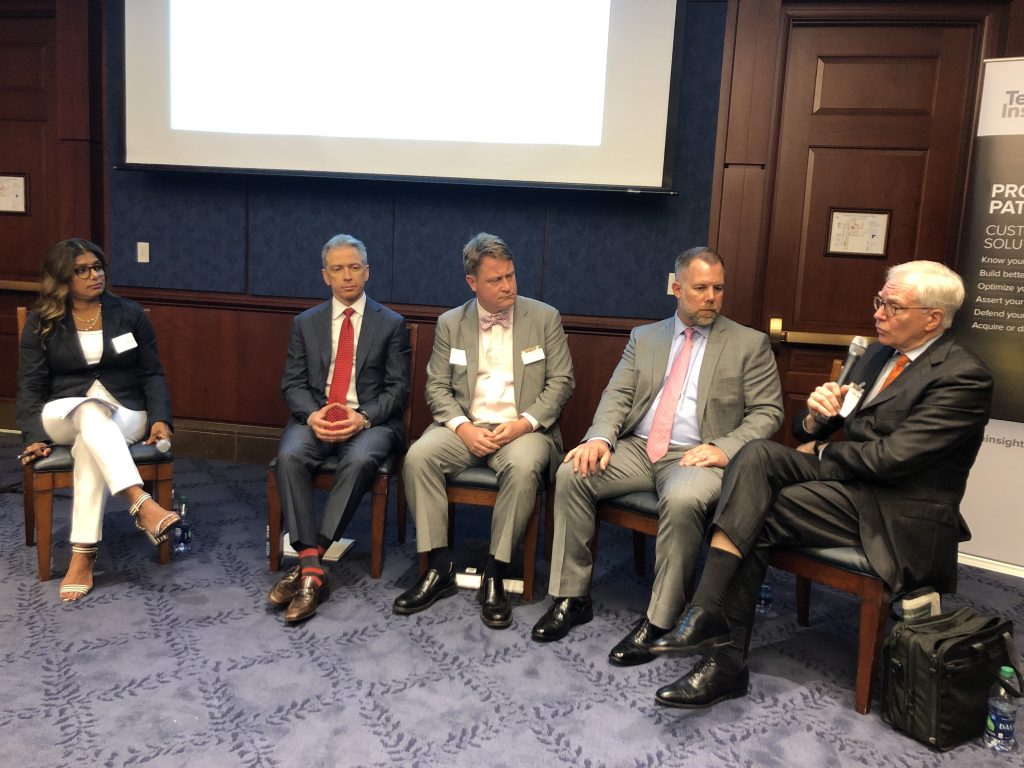
Picture this: a room full of patent heavyweights — Iancu, ex-Federal Circuit Chief Judge Randall Rader — hashing out innovation’s state under one roof, the International Intellectual Property Commercialization Council event. Armchair moderation, pointed Q&A. I was there, cornered Iancu post-panel on Congress’s 101 reform buzz. Last year, he was pounding the table for legislative fixes. Today?
He’s rowed back. Hard.
“In the end, all three branches need to be rowing in the same direction on something like 101,” Iancu said. “Let’s assume there’s legislation passed tomorrow; it will immediately be challenged, subject to interpretation, and years of litigation and debate will ensue about what each and every new word means.”
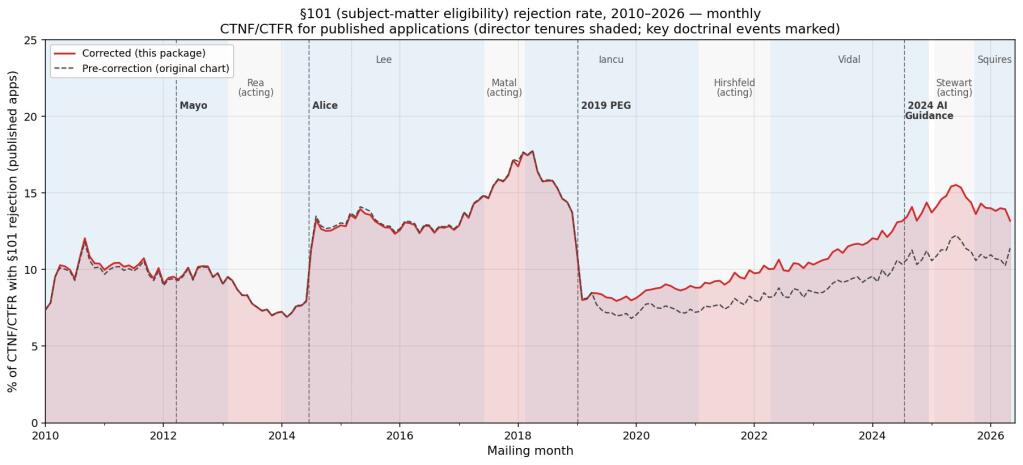
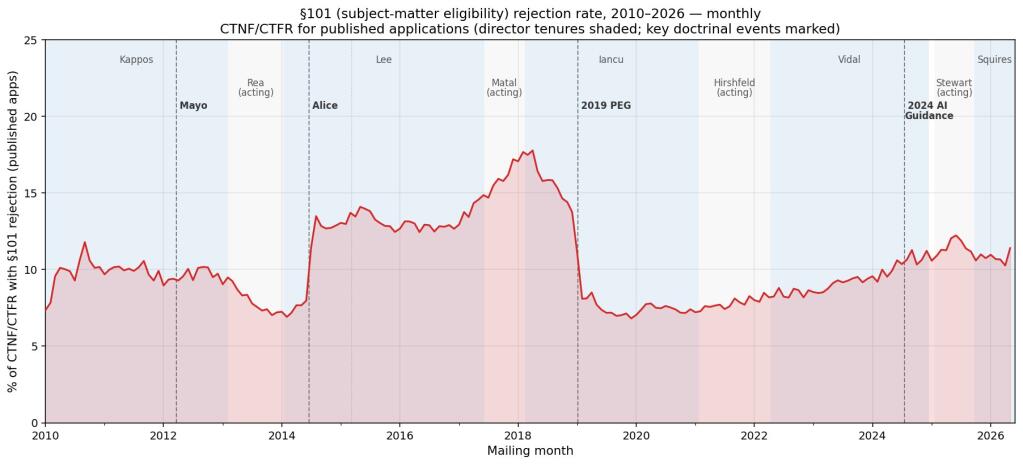
Boom. That’s the wake-up call. Legislate all you want — courts will twist it into knots. Iancu sees no sign they’ll pivot from their post-Alice/Mayo eligibility purges, where diagnostics and algorithms get tossed as ‘abstract ideas’ faster than you can say ‘patent troll.’ So, USPTO stepped up. Issued guidance layering objective criteria onto the subjective mess of Step 2A (is it abstract?) and Step 2B (does it integrate inventively?).
It’s working. Patents are issuing that should — should — hold up in court.
How Did USPTO Pull Off This 101 Fix?
Look, Alice (2014) and Mayo (2012) didn’t just muddy waters; they dammed the river. Supreme Court warned against swallowing patent law whole, yet Federal Circuit treats every software or biotech claim like a natural law in disguise. USPTO’s move? Surgical. They didn’t rewrite 35 U.S.C. §101. Instead, built a framework: Prong One checks if it’s a judicial exception (laws of nature, abstract ideas). Prong Two asks if it’s integrated into a practical application. Miss that? You’re out.
But here’s the architecture shift — the ‘how’ that flips the script. Pre-guidance, examiners wielded Alice like a sledgehammer, subjective calls everywhere. Now? Checklists. Flowcharts. Examples. It’s like swapping a Rorschach test for a rubric. Iancu: “I cannot imagine going back to a world where we were prior to our guidance.” Neither can practitioners on the front lines, drafting claims amid uncertainty.
The why? Business reality. “Every day we have to make decisions,” Iancu hammered. Innovators can’t wait for appellate theater. USPTO delivers now.
Yet Federal Circuit looms — dismantling Step 2A/2B would yank that rug, reverting to pure subjectivity. They’ve ignored SCOTUS cautions before. It’s a choice, not inevitability.
And get this: my unique angle, absent from the panel chatter — this echoes the 19th-century Hotchkiss knob case (1850), where Chief Justice Taney drew eligibility lines around ‘ordinary’ materials. USPTO’s guidance is Taney’s modern heir, forcing courts to reckon with integration over novelty snobbery. History screams: judges eventually follow practical admin leads. Or risk irrelevance.
Will Courts Actually Follow USPTO’s 101 Guidance?
Short answer? Don’t hold your breath.
Iancu doesn’t see it coming — no hints of course correction. Federal Circuit’s post-Alice track record? Dismal for tech and diagnostics. They’ve doubled down, distinguishing nothing, treating paradigm-shifters like Alice’s risk-hedging scheme. Irreconcilable SCOTUS precedent? Yeah, that’s the rub. High court claims all prior cases stand, but that’s impossible — Bilski clashes with Chakrabarty, etc. Courts cherry-pick.
Practical advice from Iancu? “Follow the guidance.” He insists it’s case-law compliant, at least with what SCOTUS actually held. Federal Circuit expansions? That’s the rogue branch. Patent pros: draft to the guidance. Claim integrations. Practical apps. It’ll issue, and stand — if courts play fair.
But here’s the skepticism: USPTO’s corner-turn might be a mirage. One en banc smackdown, and poof — subjective hell returns. Iancu’s right on legislation’s pitfalls — endless litigation. Yet his optimism feels like corporate PR spin (he’s out of USPTO now, but still). Courts won’t ‘just let us do what we are doing’ without a fight.
Why Does USPTO 101 Guidance Matter for Innovators?
Massively. Section 101 isn’t trivia; it’s the eligibility gatekeeper. Pre-guidance, uncertainty chilled investment — why invent if courts nuke your IP? Now? A lifeline. Biotech firms patent diagnostics again. Software outfits claim algorithms with ‘practical’ hooks. It’s not perfect — subjectivity lingers — but it’s miles from Alice anarchy.
Bold prediction: if courts ignore this, Congress will act by 2026. Not pretty legislation, but something blunt — like exempting tech outright. Iancu’s ‘all three branches’ plea? Idealistic. Reality’s messier: USPTO leads, courts drag, Congress clubs seals.
The panel vibe? Hopeful, but edged. Rader, Iancu — eminently qualified — see the fork: align or legislate. USPTO chose action. Courts?
Uncertain times demand front-line moves. Practitioners