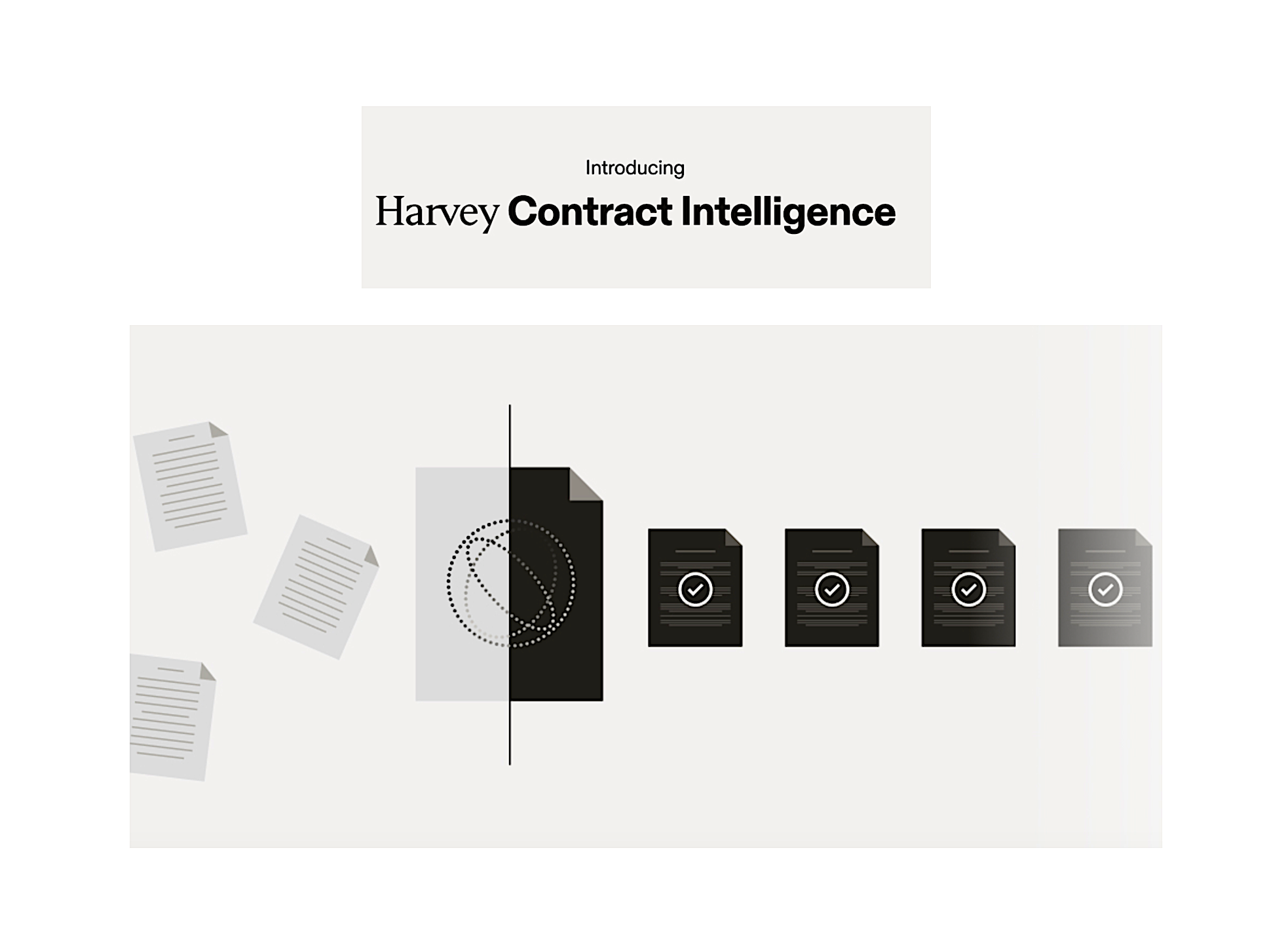
For the inhouse lawyer buried under a mountain of NDAs, vendor agreements, and the ever-present threat of missed obligations, Harvey’s new Contract Intelligence offering isn’t just another software update. It’s a promise of breathing room, a chance to shift from paper-pushing drudgery to actually advising the business strategically. This isn’t about speed for speed’s sake; it’s about reclaiming bandwidth.
Harvey, a player that’s been making waves in the legal AI space, has now strategically pivoted its focus with Contract Intelligence, a tool specifically engineered for the unique demands of corporate legal departments. Think less flashy law firm pitch decks and more the gritty reality of managing risk and closing deals at scale for a single, massive entity. They’ve opened a waitlist, with general availability slated for Q3, signaling a deliberate push into a market teeming with opportunity.
The core architecture here feels familiar, and that’s by design. Harvey’s Command Center project, which co-developed this new capability with customers, has clearly borrowed a page from the Contract Lifecycle Management (CLM) playbook. It’s a smart move. Why reinvent the wheel when the market already understands the desired outcomes? The goal is to accelerate intake and contract reviews, to make the initial triage and even routine markups feel less like wading through treacle. The aim: free up legal teams for the work that actually moves the needle.
Negotiating from a Position of Strength?
But the real meat, the part that should get a seasoned general counsel nodding along, lies in the promise of negotiation intelligence. Harvey claims to surface fallback positions, analyze clause language, and even track negotiation patterns from prior agreements. This isn’t just about historical data retrieval; it’s about actively updating playbooks as new contracts are inked, creating a dynamic knowledge base that evolves with the business. This has the potential to move beyond static, often-ignored internal policies to something truly actionable.
Surface fallback positions, clause language, and negotiation patterns from prior agreements, while automatically updating playbooks as new contracts are signed.
The portfolio-wide visibility piece is equally compelling. Imagine getting a clear view of contract trends, identifying outlier provisions before they become systemic problems, and keeping a firm grip on upcoming obligations. This kind of consolidated insight is the holy grail for inhouse teams struggling with siloed data and manual tracking.
Why the Big Push into Inhouse?
This move is more than just product expansion; it’s a calculated strategic bet. The inhouse legal market dwarfs Big Law in sheer numbers of potential clients and, crucially, potential recurring revenue. As the original report hints, inhouse teams often exert significant influence on the technology choices of their outside counsel. Securing a foothold in the corporate world can thus create a powerful ripple effect, indirectly influencing law firm adoption down the line. It’s a classic land-and-expand strategy, and Harvey has already established a significant presence there.
The inherent challenge, however, lies in the varying levels of internal legal tech maturity across different companies. While some large corporations boast dedicated IT and legal operations support, many smaller inhouse teams might lack the resources to smoothly integrate and manage complex new software. This places a considerable burden on Harvey to provide strong deployment and ongoing support, a potential bottleneck that could temper the speed of adoption.
Historical Parallel: The Rise of the Enterprise Resource Planning (ERP) System
This strategic push into enterprise-wide solutions for core business functions—legal being one of them—echoes the trajectory of ERP systems in the late 20th century. Companies like SAP and Oracle didn’t just build software; they built platforms that aimed to integrate and manage all critical business processes. Harvey’s Contract Intelligence, while focused, exhibits a similar ambition: to become the indispensable platform for a specific, high-value corporate legal workflow. The difference, of course, is that Harvey is wielding AI, not just relational databases, to achieve this integration.
The CLM Connection
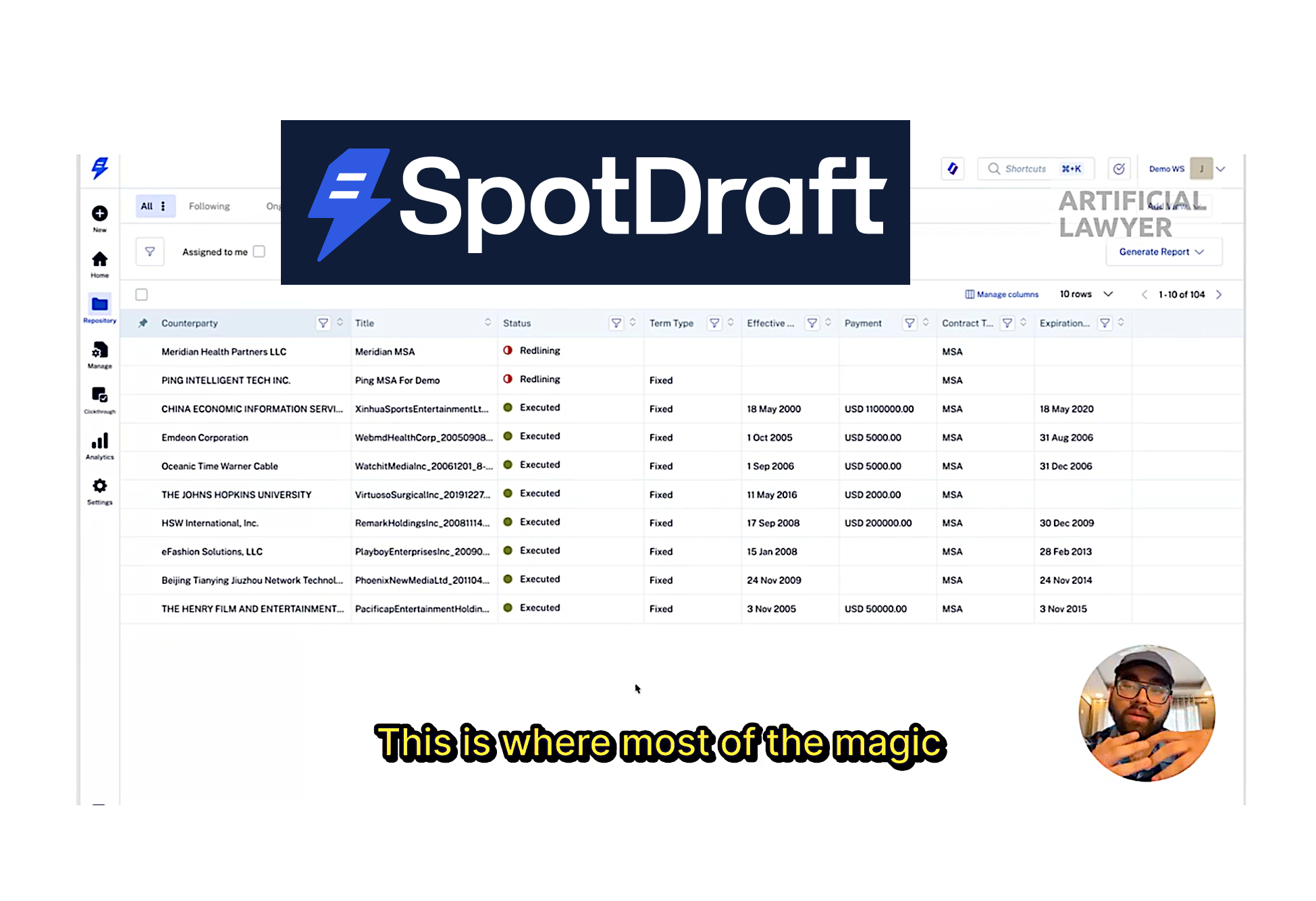
The mention of a “CLM-ish feel” isn’t a throwaway line. It’s the clearest indicator of Harvey’s ambition. The CLM market has been maturing for years, with established players like Ironclad, Agiloft, and DocuSign CLM duking it out. By adopting a CLM-like structure but supercharging it with generative AI capabilities for analysis and negotiation insights, Harvey isn’t just entering a crowded space; it’s attempting to redefine it by offering a more intelligent, proactive approach to contract management. Whether their AI can truly deliver on the promise of significantly faster, smarter negotiations and risk mitigation will be the ultimate test.
The Hargorasphere Shuffle
In other news within this interconnected legal tech ecosystem, Legora has onboarded Zeynep Inanoglu Ozdemir as its new Chief Marketing Officer. Her pedigree, coming from top marketing roles at Atlassian and Palo Alto Networks, suggests a serious play for brand building and market penetration. It’s a clear signal that Legora is serious about scaling its own efforts.
🧬 Related Insights
- Read more: Judge Newman Slams CAFC Majority: A Fuel Patent Dispute Reveals Deeper Erosion of Claim Construction?
- Read more: Boat AC Wars: Federal Circuit Nixes Dometic’s Import Block, Exposing Patent Traps in Hardware Design
Frequently Asked Questions
What does Harvey’s Contract Intelligence actually do? Harvey’s Contract Intelligence is designed to help inhouse legal teams automate and improve contract review, intake, and negotiation processes by surfacing relevant data from past agreements and updating negotiation playbooks.
Will this replace contract lawyers? The tool is positioned to augment, not replace, contract lawyers by automating routine tasks, allowing them to focus on more strategic work and complex negotiations.
How does this differ from existing CLM software? Harvey aims to differentiate by integrating advanced AI for deeper analysis of negotiation patterns and clause language, offering more proactive negotiation support and playbook updates compared to traditional CLM functionalities.