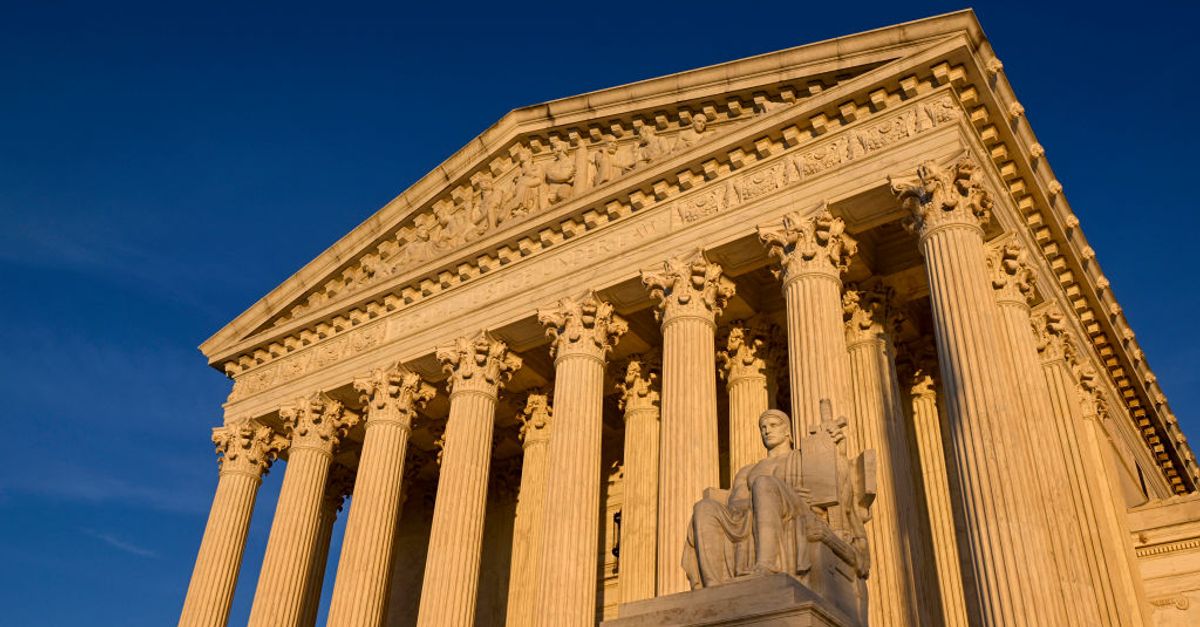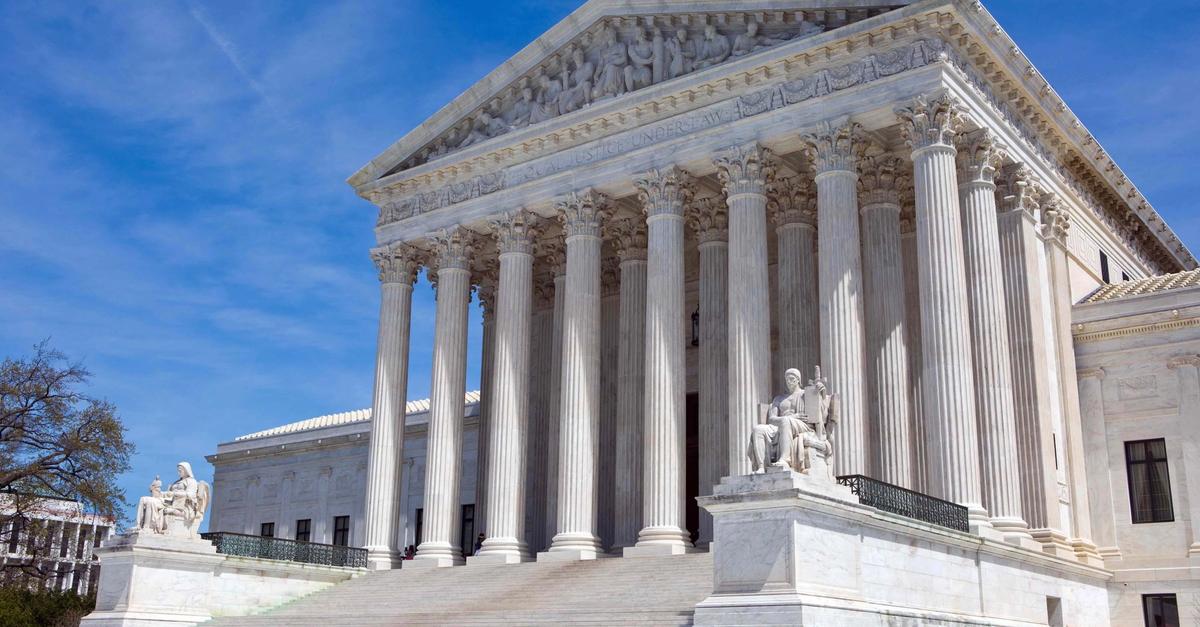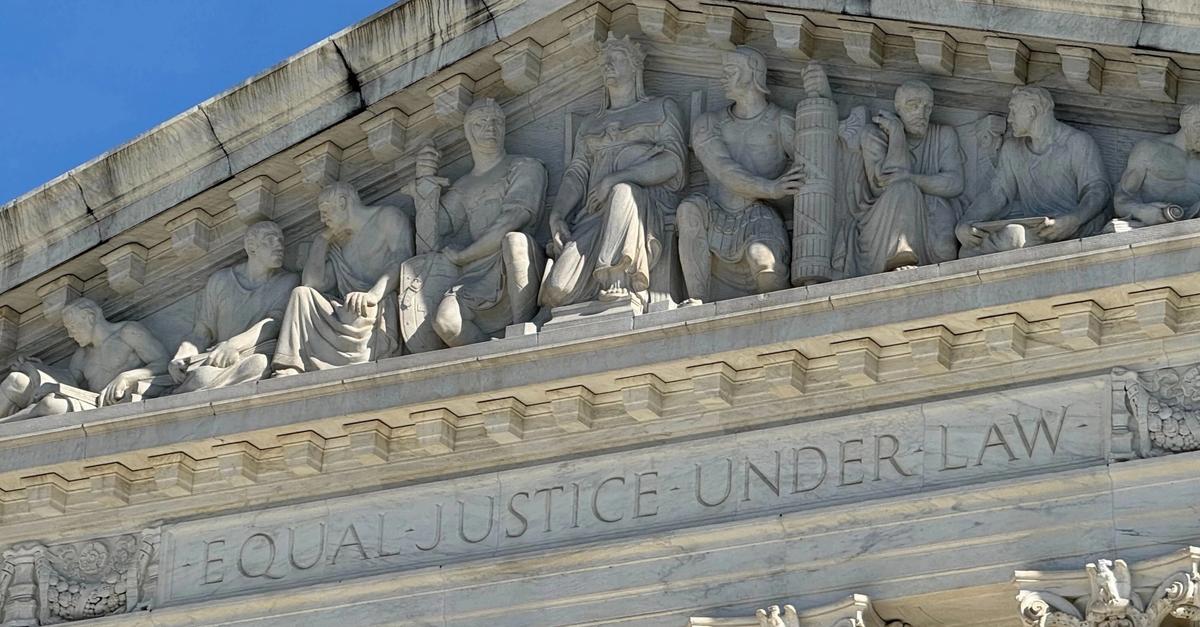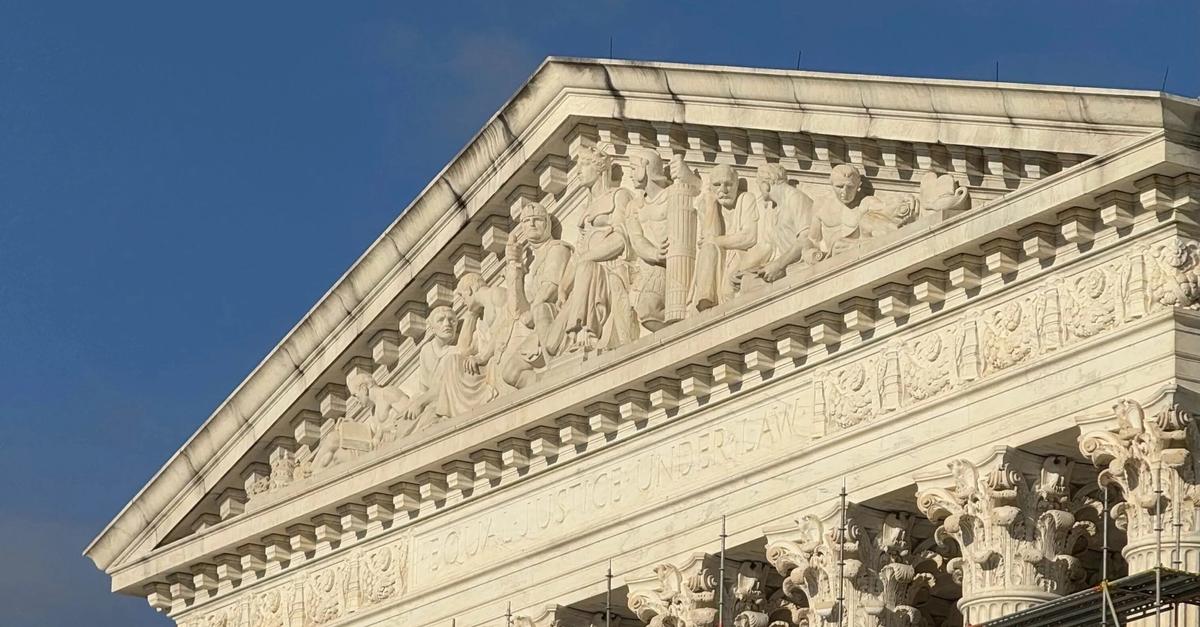
For real people, especially those in education or fighting for equal rights, the Supreme Court’s latest docket additions mean that deeply entrenched questions about discrimination and fundamental rights are once again headed to the nation’s highest bench. It’s not just about abstract legal principles; it’s about who gets a fair shake in schools and who gets a voice in their government. This term promises to stir the pot, and not just a little.
The Docket Heats Up
The Supreme Court, in its infinite wisdom and inscrutable timing, has decided to hear a case that will explore whether school employees can pursue sex discrimination lawsuits under Title IX. This isn’t just another bureaucratic entanglement; it’s a potential seismic shift for countless individuals who’ve felt wronged by their employers in educational settings. The implications for university administrators, K-12 districts, and anyone working within the vast educational complex are profound. What constitutes a Title IX violation, and how far do those protections actually extend when it comes to an employee’s lived experience within an institution? We’re about to find out.
And then there are the two cases involving Section 2 of the Voting Rights Act. These are being sent back to the lower courts, effectively to be re-examined through the prism of the recent Louisiana v. Callais decision. This isn’t just procedural wrangling; it signals a potential redefinition of how racial gerrymandering and minority voting access are scrutinized. The ripples from this decision could be felt in election districts across the country, impacting how communities are represented and how their voices are heard. It’s a stark reminder that the bedrock of our democracy — the right to vote — is constantly being tested and refined by the judiciary.
Free Speech on the Firing Line
Elsewhere, the court punted on a chance to review liability protections for social media sites. Specifically, they declined to take up a case concerning X Corp. (formerly Twitter) and its potential liability for distributing sexually explicit videos of minors. This decision, while not directly about AI, speaks volumes about the court’s current posture on the digital public square and the long-debated scope of Section 230. Critics have long argued that Section 230, which shields websites from lawsuits over user-generated content, is applied too broadly. In this instance, plaintiffs wanted to sue X for not removing videos of themselves, even after notification. The court’s refusal to hear the case suggests they’re not yet ready to dismantle the digital wall that shields platforms from user-generated content, a decision that will undoubtedly embolden tech giants but frustrate privacy advocates and victims alike.
Meanwhile, a teacher fired for “incendiary posts” about protests following George Floyd’s death saw her petition for review denied. The U.S. Court of Appeals for the 7th Circuit held that the school’s interest in avoiding disruption trumped her free speech rights. This is the kind of tightrope walk that defines our current digital age: where does an employee’s right to express themselves online end, and an employer’s need for a functional, non-disruptive workplace begin? The answer, according to this ruling, is that the latter often wins, a sobering thought for anyone navigating the complex relationship between personal expression and professional life.
The Abortion Pill Conundrum and Judicial Security
On the abortion front, the Supreme Court punted again, restoring telemedicine and mail access for mifepristone indefinitely while litigation churns in lower courts. What’s particularly eyebrow-raising here is the Justice Department’s decision not to file a brief defending the FDA’s policy. This highly unusual move, as The New York Times pointed out, plunges the Trump campaign into a sticky political calculus. To align with anti-abortion leaders risks alienating swing voters, while embracing abortion access fires up the Democratic base. The court, by its inaction and the DOJ’s silence, has effectively kicked the can down the road, leaving millions in a state of legal and medical uncertainty. It’s a masterclass in strategic ambiguity, leaving everyone guessing and the status quo in flux.
And let’s not forget Justice Clarence Thomas’s recent remarks about security concerns. He’s been vocal about how much harder it’s become for him to participate in activities outside the courthouse. He mentioned the rise in security concerns making it “very, very dicey” to move around. This isn’t just a personal inconvenience; it reflects a broader trend of escalating security measures around public figures, especially those on the bench. As the court requests millions in additional security funding, one has to wonder about the long-term impact on the court’s visibility and accessibility. Will justices become more isolated, further removed from the public they serve? It’s a subtle erosion, perhaps, but one worth watching.
Why Does This Matter for Legal AI?
While these specific cases don’t directly involve artificial intelligence, the underlying currents are profoundly relevant to the Legal AI Beat readership. The Supreme Court’s decisions, or lack thereof, on issues of discrimination, free speech, and even the practicalities of judicial operations, set precedents that ripple through the entire legal ecosystem. As AI tools become more integrated into legal practice – from drafting complaints to analyzing evidence – their development and deployment will inevitably intersect with these fundamental legal questions. How will AI-generated content be treated in free speech disputes? How will AI be used to identify or even perpetuate discrimination? Will the courts’ evolving stance on platform liability impact how legal tech companies manage user data or algorithmic outputs? The answers to these questions aren’t solely dictated by tech, but by the foundational legal principles the Supreme Court continues to wrestle with. The architecture of justice is being built, brick by brick, and the Supreme Court’s docket is a critical blueprint.
🧬 Related Insights
- Read more: Tennessee’s PBM Bill: Arkansas Replay or New Ballgame?
- Read more: SCOTUS Stalls Trump Verdict: Why the Delay?
Frequently Asked Questions
What does the Supreme Court’s decision on X Corp. mean for Section 230?
The court’s refusal to hear the X Corp. case indicates a continued adherence to the broad interpretation of Section 230, which shields social media platforms from liability for user-generated content. This generally favors tech companies but frustrates those seeking to hold platforms accountable for harmful content.
Will the sex discrimination case impact AI in schools?
Potentially. As AI tools are increasingly used in educational settings, any ruling that clarifies Title IX protections for employees could influence how AI systems are developed, vetted, and deployed to ensure they don’t inadvertently contribute to or enable discrimination.
How does judicial security affect court operations?
Increased security concerns, as highlighted by Justice Thomas, can impact a justice’s ability to participate in public events and could lead to greater judicial isolation, potentially influencing public perception and accessibility of the courts. The court’s budget request for enhanced security reflects this growing challenge.