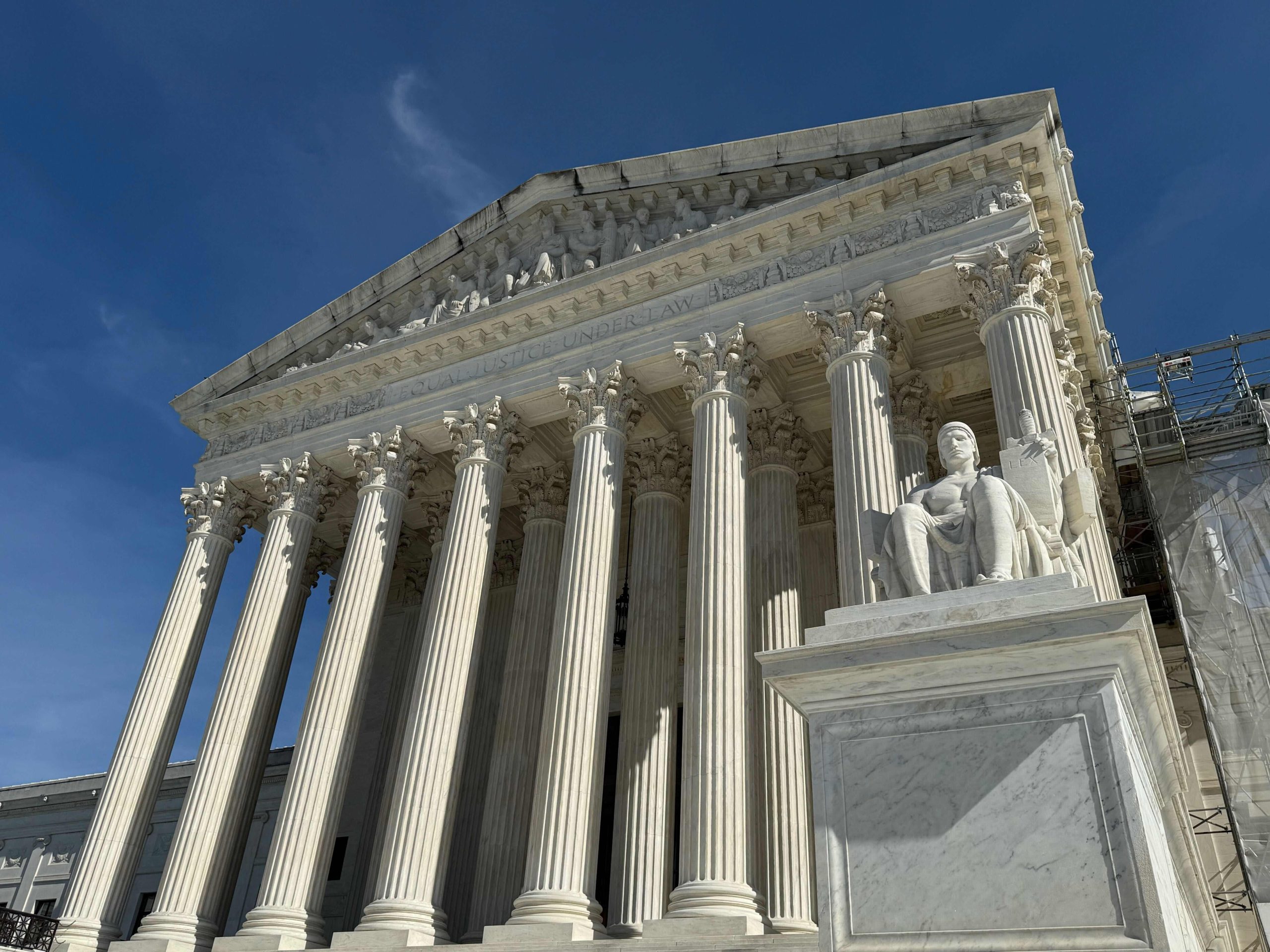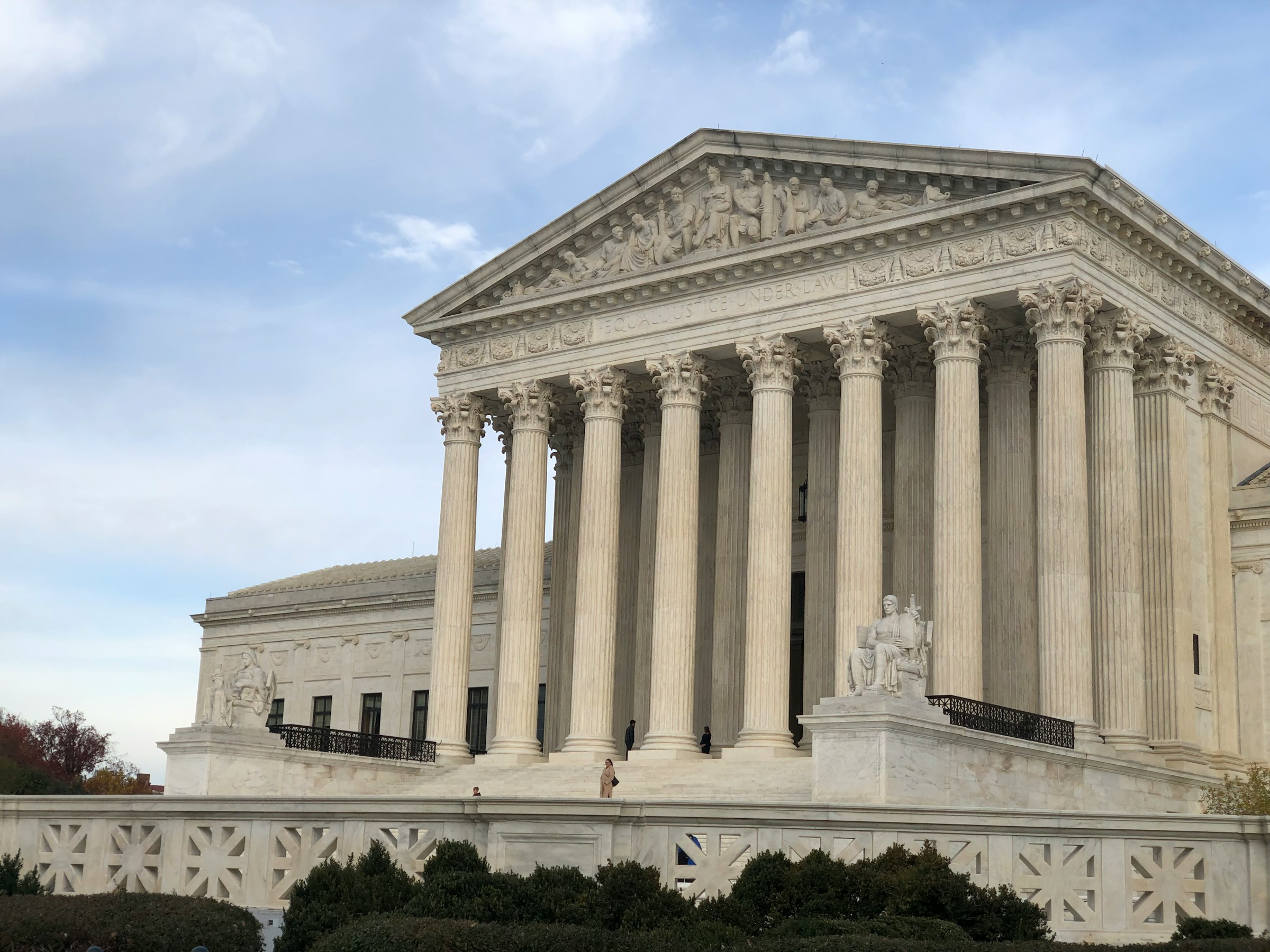
A lone reporter, hunched over a laptop, furiously types as the Supreme Court clerk reads an opinion that will reverberate through state legislatures and polling places nationwide.
On Wednesday, the U.S. Supreme Court dropped a bomb, ruling in Louisiana v. Callais that the state’s congressional map, which created a second majority-Black district, constituted an “unconstitutional racial gerrymander.” This 6-3 decision, authored by the court’s conservative majority, marks a significant — and potentially destabilizing — moment for voting rights jurisprudence. Forget the quiet hum of procedural arguments; this was a judicial seismic event, forcing an immediate recalibrating of electoral maps.
Here’s the data: Louisiana’s map is now dead. The non-African American voters who brought the challenge wasted no time, petitioning the court to expedite the decision’s remand to the lower court. Normally, this takes 32 days. The goal? To get ahead of the 2026 elections, potentially allowing for new maps to be drawn and adopted before voters head to the polls. Responses were due yesterday, signaling the court’s capacity for swift action. This isn’t a drill; it’s a race against the election calendar.
The Redistricting Reckoning
The immediate fallout from Callais is a projected “chaotic scramble among states that are considering drawing new congressional maps ahead of November,” according to reporting from The New York Times. Forget orderly processes. We’re talking about a “breakneck timetable” and the potential for “new election dates.” Florida, for instance, already approved a new map that could yield up to four more Republican-leaning seats. This ruling, it seems, is a nudge—or perhaps a shove—towards Republican advantage in the ongoing redistricting wars, with implications stretching potentially to 2028.
And the political machinations are already in motion. Reports indicate Louisiana Governor Jeff Landry is considering suspending the state’s May 16 primary elections. The rationale? To give lawmakers time to pass a new congressional map in the wake of the Supreme Court’s ruling. This move, potentially announced as early as Friday, would throw thousands of early voters into disarray, a proof to the urgency and disruption the court’s decision has unleashed.
But the court wasn’t just busy with redistricting. Arguments were also heard in Mullin v. Doe, concerning the Temporary Protected Status (TPS) program for Syrian and Haitian nationals, and a patent dispute in Hikma Pharmaceuticals USA Inc. v. Amarin Pharma, Inc. However, the Callais decision undeniably stole the show, eclipsing other critical legal matters with its immediate, tangible impact on the electoral landscape.
A Seat at the Table?
Meanwhile, back in Washington, the political theater continues. A recent state dinner for King Charles III saw a notable guest list: all six of the Supreme Court’s Republican-appointed justices, alongside their spouses. Notably absent? The court’s three Democratic appointees. This curated attendance, while perhaps coincidental, raises eyebrows, particularly given Donald Trump’s increasingly vocal critiques of some of the conservative justices. It’s a subtle, yet potent, reminder of the court’s composition and the ideological currents shaping its decisions — decisions like Callais.
And speaking of Trump, the Second Circuit Court of Appeals refused his request to have all its judges rehear his defamation appeal in the E. Jean Carroll case. A three-judge panel had already upheld an $83.3 million judgment against him. The Supreme Court itself is set to consider the broader implications of another E. Jean Carroll case, where she was awarded $5 million for sexual abuse. It’s a complex legal dance, with the president himself frequently finding himself entangled in high-profile litigation.
🧬 Related Insights
- Read more: Georgetown Law Ditches Gala for Classroom Happy Hour: Students’ Big Moment Gutted
- Read more: GCs Demand AI Transparency: 82% Expect Firms to Disclose Usage [KPMG]
Frequently Asked Questions
What exactly did the Supreme Court rule in Louisiana v. Callais?
The Supreme Court held that Louisiana’s congressional map, which created a second majority-Black congressional district, was an unconstitutional racial gerrymander. This decision struck down the map and opens the door for a new map to be drawn.
How will this ruling affect upcoming elections?
It could cause significant disruption. States may need to redraw congressional districts on an expedited timeline, potentially leading to confusion, legal challenges, and even changes to election dates or primary schedules, as seen with potential moves in Louisiana.
Is this related to the Voting Rights Act?
Yes, the ruling directly concerns the Voting Rights Act of 1965, specifically how racial considerations are balanced against other redistricting criteria. The court found that Louisiana’s map placed too much emphasis on race, violating constitutional principles.