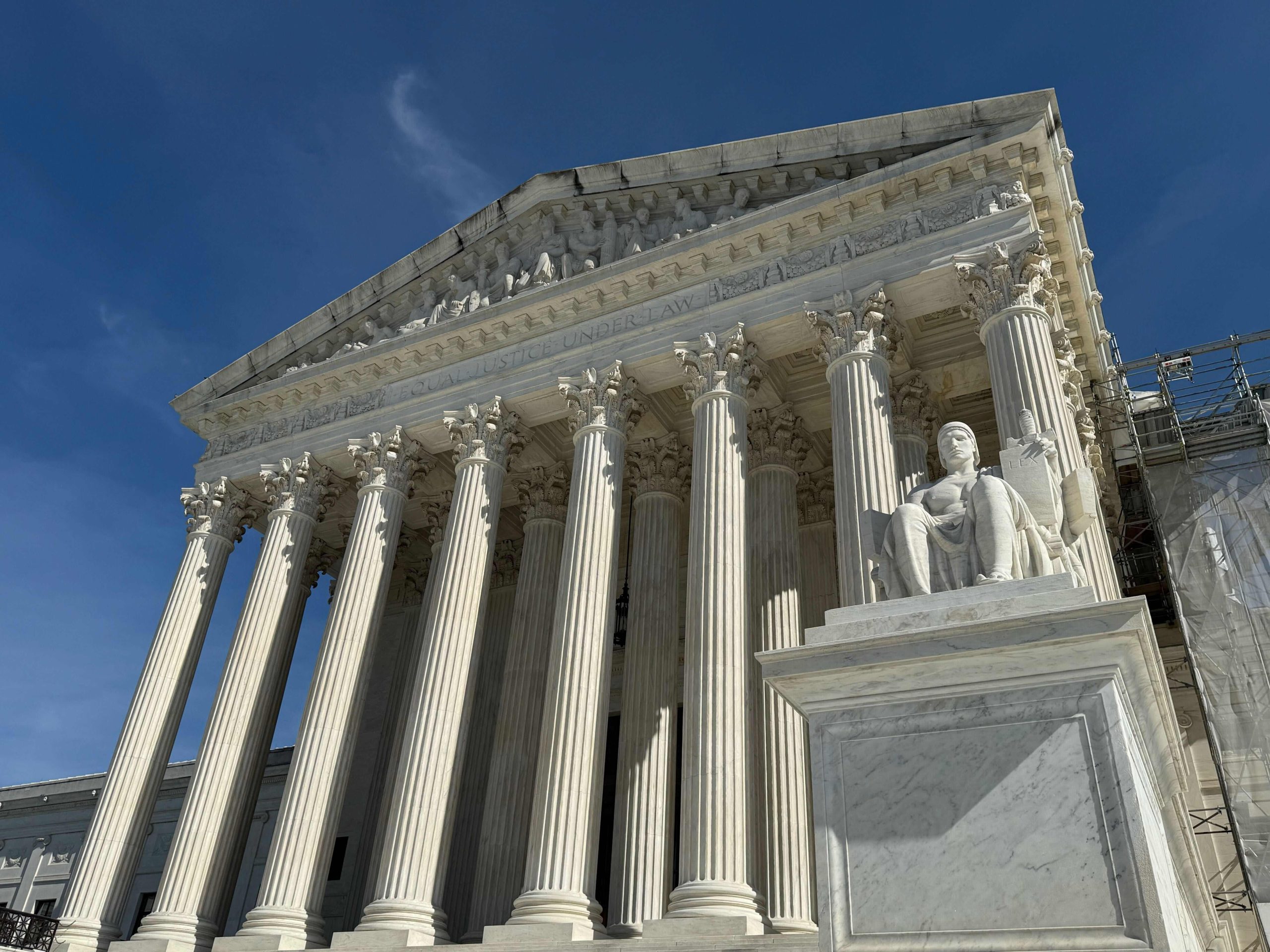
Your AI tool just got slapped with a compliance headache from the latest federal statute.
Will judges read it like a robot — cold text only — or sneak a peek at what Congress actually meant?
That’s the electrifying twist bubbling under the Supreme Court’s textualist facade. Legislative history, long buried by purists, is clawing back — in secret. And for everyday innovators wrestling with AI regs, this could flip the script on how laws land in court.
The Underground Revival No One’s Admitting
Look. Textualism promised clean, word-only statutory reads. No messy committee reports. No floor speeches from grandstanding pols.
But judges? They’re human — or at least, they’re dodging the dogma. Take Judge Gregory Katsas, a D.C. Circuit textualist. On a Federalist Society panel, he spilled: instead of citing Enron-era legislative history directly in a Jan. 6 case, he laundered it through a Supreme Court opinion. Why? To avoid the “side show” of a conservative judge touching the forbidden fruit in a hot-button prosecution.
“Most of the briefs and stuff cited the legislative history… because I didn’t want to create a side show of, you know, conservative Fed Soc judge in this edgy case cites legislative history.”
Katsas got away with it. His panel buddy joked, “we were all fooled!” Even Justice Ketanji Brown Jackson later called out the majority for ignoring purpose — nodding straight to that history.
And here’s the spark: this isn’t rogue. Justice Alito, textualism’s steadfast ally, has always dipped into history. His Bostock dissent ripped colleagues for blanking congressional intent.
Justice Alito never bought the full purge. Back on the 3rd Circuit, he’d consult reports routinely. Now? He’s the Court’s most overt history user among hardcores.
But the laundering? That’s the genius hack. Cite Ginsburg’s Yates opinion — which itself digs into Sarbanes-Oxley history — and boom. Purpose sneaks in, untainted.
It’s like AI training on filtered data: clean output, dirty (or rich) inputs hidden.
Why Are Judges Hiding Their Legislative History Habit?
Fear the label, mostly. Textualism’s tribal. Scalia’s ghost looms — no history, ever.
Yet reality bites. Statutes from 535 egos? Text alone often flops. Critics nailed it years ago: pure text balloons judge power, ignores Congress’s grind.
Recent vibes? Moderation. “Contextualism” whispers among textualists — text plus backdrop, consequences, even purpose (shh). Posner and Gluck showed appellate judges always bent rules quietly.
Katsas’ tale proves it. In Fischer v. United States, history routed through Yates clarified a corruption law born from Enron rot, now chasing Capitol rioters.
Cowboy move? Nah. Smart politics in a divided bench.
This mirrors AI’s own evolution.
Remember early neural nets? Code-only, brittle. Then context exploded — embeddings, history in data. Laws? Same upgrade. Textualism’s the buggy first draft; history’s the fine-tune.
Why Does Legislative History Matter for AI Builders?
Fast-forward to your world. AI bills stack up — safety mandates, bias rules, IP grabs. Vague? You bet.
Text-only? Chaos. A “reasonable care” clause on AI audits? Courts could shrink it to nonsense — or swell it via history showing Congress eyed Big Tech meltdowns.
Secret revival means flexibility. Judges grasp intent without admitting defeat. For startups, predictability rises. No more Scalia roulette.
But here’s my fresh take, absent from the panel buzz: this echoes the 1990s net neutrality wars. Early internet laws got textualist whiplash — FCC authority gutted on words alone. History could’ve flagged Congress’s telecom revolution dreams. Today? AI’s that frontier. If history seeps back, purposive reads could shield innovation from overreach, like buffering early web from dial-up era clamps.
Bold call: by 2030, “contextual textualism” dominates, birthing AI-friendly interp. Hype? Watch Alito’s trailblaze.
Panelists nodded to Alito’s openness. Conservative textualists softening. Even Katsas greenlit “circumstances” — code for purpose.
Laundering’s the bridge. Explicit cites? Coming, as contextualism blooms.
But corporate spin? Textualists pitch purity; reality’s pragmatic mix. Call the bluff — it’s evolution, not betrayal.
Think bigger. AI itself craves this. LLMs hallucinate sans context. Law’s no different — statutes “hallucinate” without history. This shift? Platform upgrade for justice.
Energy here: wonder at the pivot. Judges, like coders, iterate.
Will Textualism’s Purest Diehards Fold?
Short answer? They’re bending already.
Alito leads. Katsas follows slyly. Jackson pounces on gaps.
Unique angle: it’s generational. Younger clerks, Fed Soc alums — they code, they get context. Law’s becoming data science. History? Just another feature vector.
Pendulum swings. Rumors of textualism’s triumph? Exaggerated, as Twain might quip for statutes.
For real people — devs, founders — exhale. Laws get read with soul again.
🧬 Related Insights
- Read more: Third-Party Cookies’ Slow Death: GDPR and ePrivacy’s Uneasy Dance
- Read more: 42% of Law Firms Snag New Clients with AI—ROI’s Hiding in Plain Sight
Frequently Asked Questions
What is legislative history in statutory interpretation?
It’s the backstory: committee reports, debates, floor statements showing what Congress meant before enacting a law.
Why do textualists oppose legislative history?
They argue 535 members = no clear “intent,” so stick to enacted text to curb judge bias — but critics say it amps discretion instead.
How might this affect AI regulations?
Secret history use could let courts honor lawmakers’ goals in fuzzy AI safety laws, boosting clarity for tech compliance.