SCOTUS Emergency Docket: Shadows Reveal Fractured Fights
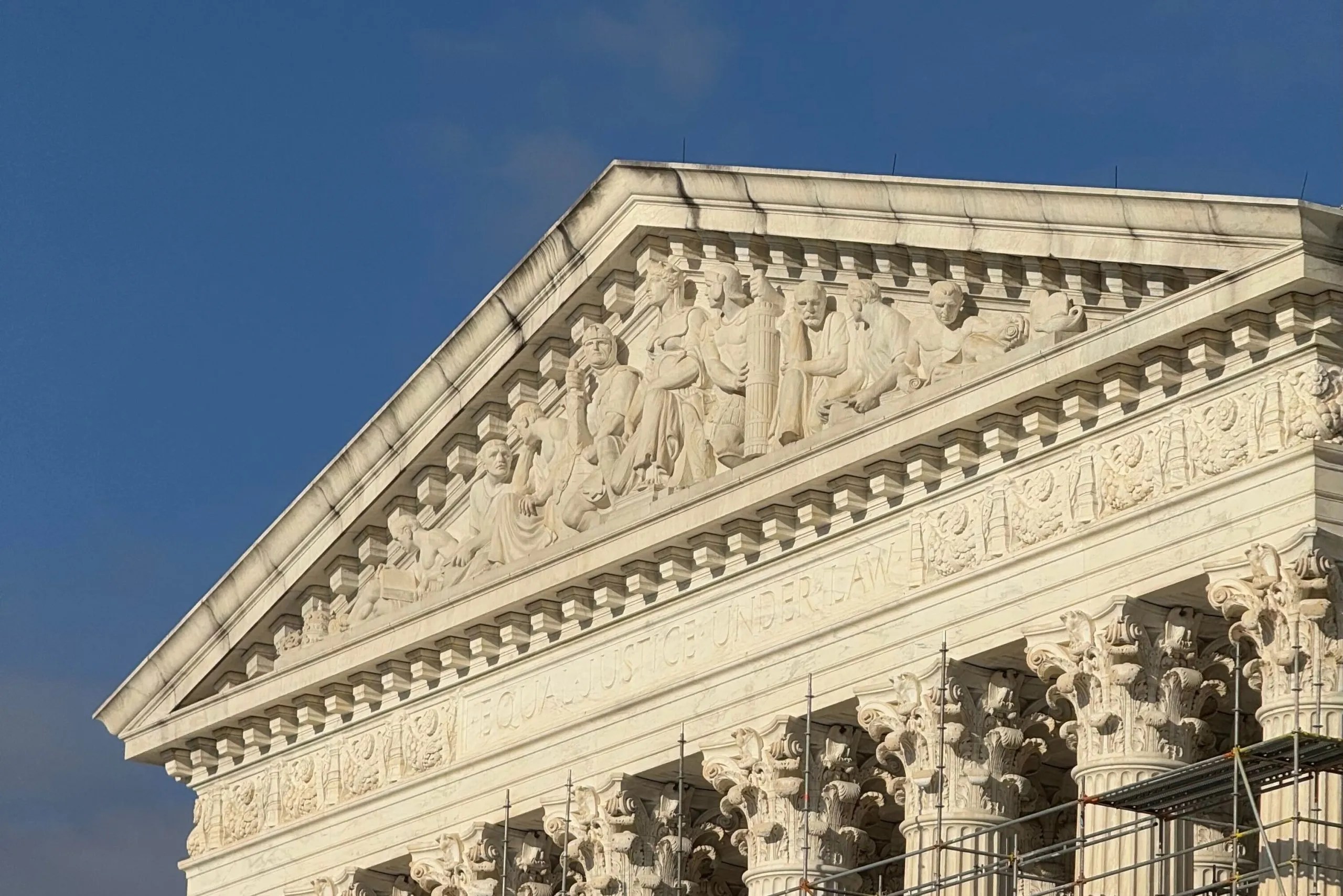
The Supreme Court's emergency docket looks unanimous from the outside. Justice Stevens' papers prove it's a battlefield of clashing memos and split votes.
Imagine your key video evidence in a high-stakes trial dismissed as fake. Deepfakes aren't sci-fi anymore—they're gumming up courtrooms, hiking costs for everyday litigants.
Startups pouring cash into patents just got a rude wake-up. A single argument you make — and lose — during examination can torpedo your infringement suits years later.
Twenty-three human rights organizations just jumped into Anthropic v. Dow, filing a brief that could reshape AI training data battles. It's a rare alliance spotlighting free expression risks in IP suits.
Chief Justice John Roberts just spilled the best part of his job: VIP panda access at the Smithsonian. But this quirky role reveals deeper truths about steady hands in turbulent times.
Picture this: you're an IP attorney, AI tools piled up on your desk, but the partners want numbers, not promises. 2026 isn't forgiving faith-based tech buys.
Imagine your every click, location ping, and purchase—auctioned off to the feds without a single court order. That's not sci-fi; it's today's reality, and it's turbocharging an AI-powered watchlist.
The Federal Circuit just tossed ironSource's appeal for lack of standing. Their executive declaration? Too vague to link discontinued 'Click to Install' features to narrowed substitute claims.
Imagine an AI whispering sweet nothings about cash incentives as you're booted from Europe. Frontex's new deportation app promises just that, but who's buying the spin?
A whopping 58% of law school admissions officers admit U.S. News rankings are fading in prestige. But they're still the iron grip on academia's soul — why?
Harvey just dropped details on Spectre, its autonomous agent sniffing out bugs and Slack gripes without a human nudge. It's pitching a 'law firm world model' – sounds futuristic, but smells like the same old use game for Big Law partners.
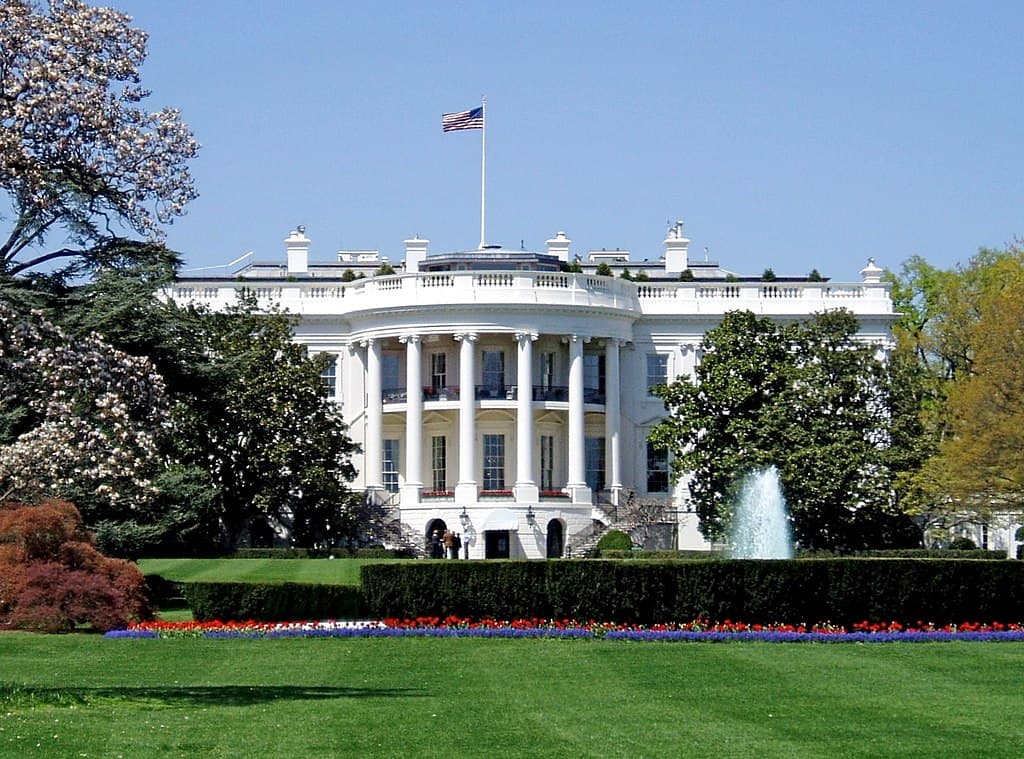
FLI's 35 staffers call the White House's new AI memo a 'critical step'—but slam its competitive bent and lack of teeth. Safety advocates want mandates, not memos.
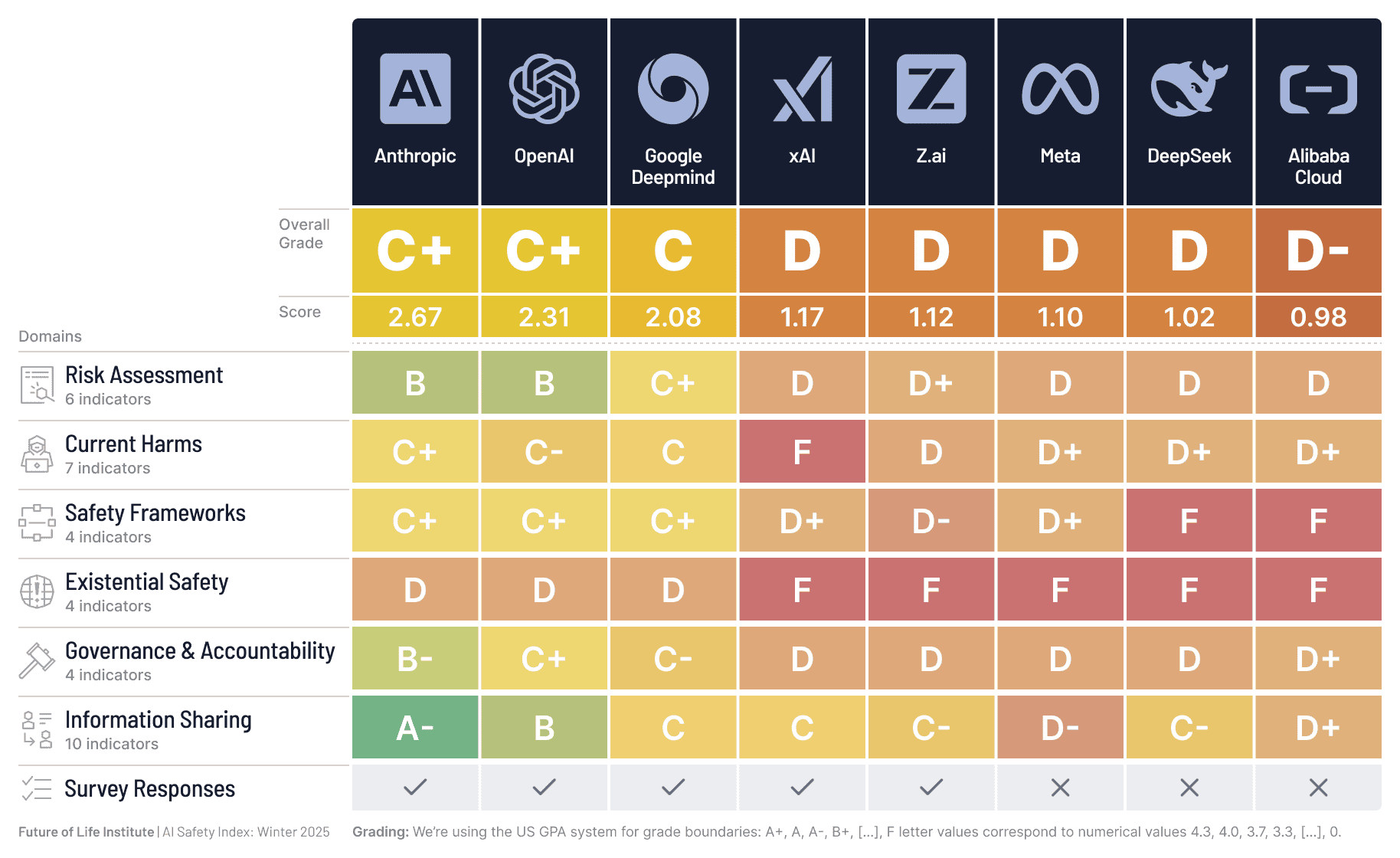
Expectations ran high for AI giants to match their safety rhetoric with action. The new AI Safety Index shatters that illusion, exposing deep flaws while frontrunners pull away.
Law enforcement promised ALPRs like Flock Safety's would stick to serious crimes. A Georgia ticket for a phone in hand says otherwise—mission creep has arrived.
Imagine pocketing €8,600 a month to wrangle Europe's AI wild west. But as a 20-year Valley cynic, I'm asking: power or paper-pushing?
What if the real threat to free speech isn't government censors, but algorithms trained to sniff out offense? Jacob Mchangama's story from Denmark's cartoon wars reveals how quickly ideals flip.
What if AI could design the chips powering itself—and slash costs by 75%? Cognichip says yes, with $60M fresh cash. But where's the proof?
Medicare's AI is playing doctor—and screwing patients. EFF just sued to expose the mess.
A California jury just slapped Meta with liability for its addictive features. But celebrating that ignores how appeals—and Section 230—will likely flip the script, protecting speech we all rely on.
Governments promised safety nets online. Instead, they're casting drag nets over activists. EFF's UN submission pulls no punches on the digital crackdown.